
The annual Samsung Galaxy Unpacked event in London has historically served as a laboratory for high-tech experimentation, but this year it marks the definitive transition of foldable devices from futuristic novelties into mature, dominant market contenders. Now entering its eighth generation of foldable innovation, the South Korean technology leader is no longer simply introducing a new category; it is fortifying its position against a growing sea of competitors and the looming shadow of a potential foldable entry from major rivals like Apple. This shift in strategy emphasizes engineering maturity and refined hardware over pure gimmickry, signaling that the era of the “experimental” foldable has officially ended. By deeply integrating advanced artificial intelligence across its entire product lineup, the company is attempting to prove that these devices are not just alternative screen shapes, but superior productivity tools that outshine the traditional “glass slab” smartphones that have dominated the industry for nearly two decades.
This latest showcase highlights an aggressive move toward an “Ultra” ecosystem, aiming to systematically dismantle the long-standing complaints regarding durability, screen creases, and battery life that have historically deterred mainstream consumers. By expanding the lineup to include three distinct smartphone models alongside an array of high-performance wearables, the objective is clear: create a seamless environment where the hardware disappears into the background while the software and AI provide tangible benefits to daily health and professional efficiency. The focus has moved from asking “Can we fold a screen?” to “How can a folding screen fundamentally improve a user’s life?” This narrative suggests a confident maturity in the supply chain and manufacturing processes, allowing for thinner profiles and more robust materials that were once thought impossible for moving mechanical parts.
The Evolution of the Foldable Flagship
Redesigning the Standard Form Factor
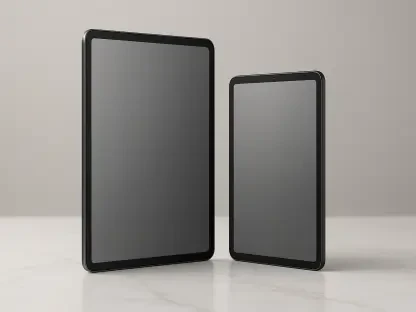
The standard Galaxy Z Fold 8 has undergone its most comprehensive design overhaul since the inception of the series, finally moving away from the narrow “remote control” aspect ratio that many users found cramped. This new iteration adopts a wider “passport-sized” layout, which fundamentally changes how the device feels in the hand and how content is displayed on the internal screen. By moving to a more natural 4:3 aspect ratio on the primary display, the device provides a significantly better experience for watching cinematic videos, editing documents, and navigating complex web pages without the constant need for horizontal scrolling. Despite the increased width of the display, the engineering team has achieved a remarkable feat by making the phone thinner and lighter than its predecessors, weighing in at a mere 201 grams and measuring only 9.7mm when folded. This reduction in bulk makes the device indistinguishable from a standard flagship phone when it is in a pocket, removing one of the primary ergonomic barriers to adoption.
Beyond the physical dimensions, the most significant advancement in this redesign is the introduction of “Flex Titanium” technology, which represents a breakthrough in material science specifically for foldable electronics. For years, the visible and tactile crease in the middle of the display was the most criticized aspect of the user experience, often viewed as a compromise of the technology. By utilizing a specialized titanium-alloy film paired with a redesigned support plate underneath the folding glass, the company has managed to make the internal display crease almost invisible to both the eye and the touch. This innovation provides a seamless surface that mimics the feel of a rigid tablet, suggesting that the mechanical limitations of folding glass have finally been overcome through precision engineering. This durability improvement also extends to the internal hinge mechanism, which now feels smoother and more resistant to debris, ensuring that the device can withstand the rigors of several years of heavy daily use without any degradation in screen quality.
Uncompromising Power: The Ultra Variant
For the first time in the history of the foldable category, a dedicated “Ultra” variant has been introduced to cater to the most demanding power users who refuse to compromise on hardware specifications for the sake of a folding screen. This high-tier model features a massive 8-inch internal display, providing a canvas that rivals small tablets and offers enough real estate for serious multitasking. At the heart of this powerhouse is the Snapdragon 8 Elite Gen 5 processor, a chip specifically optimized for the unique thermal and power requirements of a dual-screen device. This hardware enables the Ultra to function as a genuine mobile workstation, capable of handling intensive tasks such as professional-grade 8K video editing, high-end gaming with ray tracing, and complex data processing with ease. By including a top-of-the-line camera system led by a 200MP main sensor, the manufacturer has also addressed the long-standing criticism that foldable phones lagged behind their “slab” counterparts in photographic capabilities.
One of the most critical upgrades found in the Ultra model is the strategic focus on battery longevity and charging speed, two categories where foldables have traditionally struggled due to their split-internal architecture. The inclusion of a 5,000mAh battery combined with 45W wired charging finally brings the Fold lineup on par with the standard Galaxy S-series flagships. This ensures that users can power through an entire day of heavy professional use, even with the high-refresh-rate 8-inch screen active for long periods, effectively ending the “battery anxiety” that previously plagued the foldable experience. Furthermore, the Ultra model integrates advanced thermal management systems that utilize vapor chambers to dissipate heat across both halves of the device, preventing performance throttling during long productivity sessions. This level of technical refinement demonstrates that the company is no longer treating the foldable as a niche lifestyle product, but as the pinnacle of its mobile engineering efforts, capable of meeting the highest standards of modern computing.
Expanding the Lifestyle and Wearable Ecosystem
Refined Portability: Creative Utility and Design
The Galaxy Z Flip 8 remains the primary choice for users who prioritize style, portability, and social expression, yet it has been refined to be the slimmest and most powerful device in its category. The “FlexWindow” cover screen has seen a significant software update, now supporting more complex app interactions that allow users to respond to emails, navigate maps, and manage music playlists without ever needing to unfold the main display. This focus on “glanceable” utility transforms the phone into a tool for digital minimalism, where the user can stay connected without becoming distracted by the immersive inner screen. Additionally, the device leans heavily into creative content creation with the new “Camcorder Grip” feature. This mode utilizes the sturdy hinge to hold the phone at a 90-degree angle, providing a nostalgic and stable filming experience that mimics professional handheld cameras, making it an ideal companion for high-quality social media production and vlogging.
While the Z Flip 8 is often marketed through the lens of fashion and lifestyle, its internal performance has been bolstered to ensure it functions as a true flagship. By transitioning to the Exynos 2600 processor paired with 12GB of RAM, the device guarantees that even the smaller foldable can handle demanding applications and seamless multitasking without overheating or lagging. This commitment to maintaining flagship-level internals across the entire foldable range indicates a strategic shift away from treating the Flip as a mid-range alternative for the style-conscious. Instead, it is now positioned as a premium powerhouse that happens to fold into a compact square, offering the same AI-driven features and processing speed as the larger models. The use of more vibrant, sustainable materials in the chassis also appeals to a younger demographic, merging high-end technology with a commitment to environmental responsibility and personal aesthetic customization.
Health Monitoring: The Future of Wearable Tech
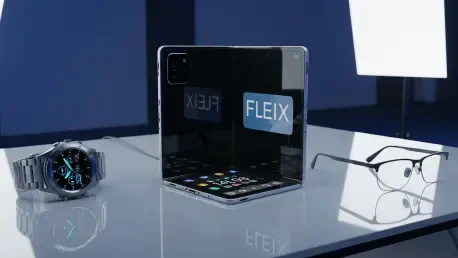
The wearable segment has been significantly bolstered by the introduction of the Galaxy Watch Ultra 2 and the Galaxy Watch 9, both of which prioritize advanced health tracking over simple smartphone notifications. The Galaxy Watch Ultra 2 is specifically engineered for extreme environments, featuring an incredibly bright 5,000-nit display that remains legible even under direct, harsh sunlight. Its rugged, waterproof build is designed to survive everything from deep-sea diving to high-altitude mountain climbing, catering to the growing market of adventure athletes. Both watch models introduce a comprehensive “Vitals” tab and enhanced heart health monitoring features, which now include more accurate blood pressure tracking and atrial fibrillation detection. These tools are designed to help users stay proactive about their long-term wellness by providing actionable data and early warnings for potential health issues, effectively turning the wrist-worn device into a sophisticated medical monitor.
Looking toward the next horizon of personal technology, a glimpse was provided into the development of upcoming smart glasses created in partnership with major fashion brands. These glasses are designed to look like high-end eyewear rather than bulky technological gadgets, featuring a lightweight frame that houses nine hours of battery life and deep integration with Google’s Gemini AI. By allowing users to perform tasks such as summarizing meetings, making restaurant reservations, or translating foreign languages through simple gestures and voice commands, the company is building a cohesive ecosystem where different devices work in harmony. This move toward ambient computing suggests a future where the smartphone is no longer the sole focus of a user’s digital life, but rather a hub for a variety of smart peripherals. This integrated approach ensures that data flows seamlessly between the phone, the watch, and the glasses, providing a personalized and efficient user experience that adapts to the specific needs of the individual throughout the day.
A New Era of Mobile Computing
The advancements showcased during the recent product launches signaled a fundamental change in how mobile technology integrated into the fabric of daily life. The engineering teams successfully addressed the physical limitations of the foldable form factor, proving that the transition from traditional glass slabs was not a fleeting trend but a permanent evolution. By prioritizing structural integrity and material durability, the industry moved past the initial skepticism that surrounded flexible displays. The introduction of high-performance components and specialized software ensured that these devices met the needs of professionals and casual users alike. This holistic approach to hardware and software synergy suggested that the focus had moved toward longevity and meaningful utility, rather than just the excitement of a new screen.
The strategy focused on creating a comprehensive ecosystem where smartphones, wearables, and augmented reality worked as a single, unified entity. This integration allowed users to transition between tasks with unprecedented ease, leveraging artificial intelligence to manage everything from physical health to complex professional workflows. The development of advanced health sensors and ambient computing tools provided a roadmap for how technology could become more intuitive and less intrusive. As the market matured, the emphasis on refined engineering and user-centric design became the benchmark for success. These developments laid the groundwork for a future where mobile devices were no longer just communication tools, but essential companions that enhanced human capability and simplified the complexities of modern existence.