
The development of sophisticated smart thermostats and connected locks highlights the intent to offer a more cohesive and secure domestic experience. This strategic alliance between Apple and LG Electronics represents a fundamental shift in how the tech giant approaches the “Internet of Things.” For years, the market witnessed a closed hardware model that prioritized proprietary control over broad accessibility, often limiting the growth of the HomeKit ecosystem compared to more open alternatives. By pivoting toward a collaborative strategy with LG, Apple aims to bridge the gap in its smart home offerings, moving away from niche third-party support toward a more integrated, brand-focused expansion. This partnership leverages the global manufacturing footprint and logistical expertise of LG to fill critical holes in the current product lineup, particularly in utility management and home security. As consumer demand for unified control rises, this collaboration ensures that hardware and software are no longer siloed but work in tandem to create a responsive environment for users.
Strategic Foundations and Hardware Synergy
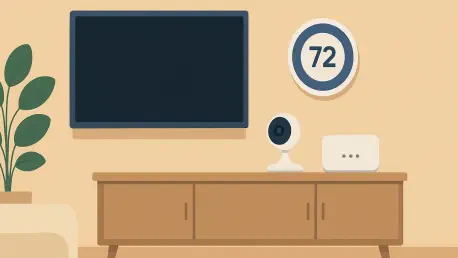
Central to this collaboration is the development of a comprehensive suite of smart accessories designed to work natively within the Apple Home platform without the friction of secondary bridges. The product roadmap includes high-definition indoor and outdoor security cameras, smart doorbells, and connected deadbolt locks that prioritize both physical durability and digital encryption. A standout addition is the floodlight camera, a high-demand category that has historically lacked premium, seamless options for those committed to the Apple ecosystem. These devices will carry LG branding while adhering to the rigorous software standards and privacy protocols that define Apple’s brand identity. This arrangement ensures that users receive a top-tier experience without requiring Apple to manage the immense complexities of hardware production for every specific household peripheral. By offloading the industrial design of sensors to a partner, the focus remains on perfecting the user interaction.
The operational benefits of this union extend beyond simple product variety, touching upon the very infrastructure of global technology distribution. LG brings decades of experience in white goods and home appliances, providing a level of reliability and scale that smaller smart home startups simply cannot match. This allows for a more aggressive expansion into international markets where Apple’s presence in the home was previously restricted to media centers and tablets. Furthermore, the integration of LG’s manufacturing prowess means that these devices can be produced with high efficiency, potentially leading to more competitive pricing for the end consumer. As these two titans align their objectives, the market sees a move toward “white label” excellence where the underlying hardware is as robust as the software controlling it. This synergy effectively removes the barriers to entry for homeowners who were once intimidated by the technical hurdles of setting up a diverse array of devices.
Implementing the Hybrid Ecosystem Model
Industry experts view this partnership as a direct response to the established dominance of competing platforms like Amazon’s Ring and Google’s Nest. While the previous strategy was often criticized for a slow certification process and a lack of first-party hardware options, this “hybrid” approach allows for rapid scaling and market penetration. Under this model, Apple will focus its internal resources on developing “Core Hubs”—such as high-end smart displays and updated HomePod units—while LG serves as the primary provider for the peripheral sensors and actuators that populate the rest of the house. This division of labor allows for the maintenance of strict control over the user interface and security protocols while delegating the physical logistics to a company that excels in that domain. The result is a more agile ecosystem that can adapt to changing consumer preferences without the long lead times associated with traditional hardware development cycles, keeping the platform modern.
This collaboration is built upon a foundation of mutual trust and a long-standing corporate history that has already proven successful in other high-stakes technology sectors. LG has established itself as a critical supplier for various components, providing the sophisticated display panels found in high-end monitors like the Studio Display and the Pro Display XDR. Additionally, the successful integration of services like AirPlay and the Apple TV app into LG’s WebOS televisions has created a blueprint for how these two corporate cultures can merge their strengths. Expanding this relationship into the smart home sector is a logical progression that utilizes a proven alliance to challenge the current market leaders. By combining one company’s mastery of software and privacy with another’s excellence in consumer electronics manufacturing, the partnership creates a formidable competitor capable of reshaping consumer expectations. This evolution marks the end of the “walled garden” era.
Future Integration and Actionable Transitions
From a logistical perspective, the partnership offers significant advantages that benefit both tech titans while addressing the specific pain points of modern smart home adoption. LG gained the opportunity to diversify its portfolio beyond traditional refrigerators and washers, entering the high-growth home security market with the prestige of a premium ecosystem backing its hardware. Meanwhile, Apple significantly increased the number of compatible devices available to its customers without the financial overhead of building specialized factories for items like motorized deadbolts or specialized lighting. This efficiency is expected to result in wider availability for consumers who previously found compatible gear to be expensive or scarce in local retail environments. The shift also signals a broader industry trend where hardware manufacturers and software developers must align more closely to meet the rising security demands of a hyper-connected public, ensuring that every lock is shielded.
In the final analysis, the successful execution of this partnership provided a clear roadmap for the future of domestic automation and integrated security. Homeowners who prioritized a unified experience sought out these new collaborative devices to ensure their physical surroundings remained both intelligent and protected. The market responded by shifting away from fragmented systems, favoring instead the reliability of the Apple-LG synergy which streamlined the transition from manual to automated living. To capitalize on these advancements, users evaluated their current network stability and upgraded their central hubs to handle the increased data throughput of high-definition security feeds. Technicians recommended that early adopters audited their existing smart home configurations to identify hardware that no longer met the updated encryption standards. Ultimately, the industry moved toward a standard where privacy and convenience were no longer mutually exclusive, forcing competitors to rethink their tactics.