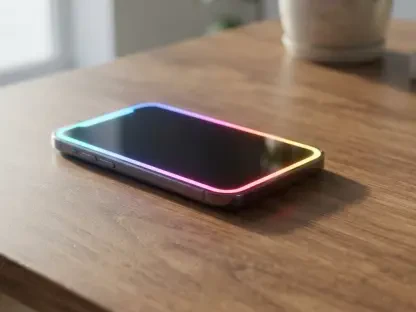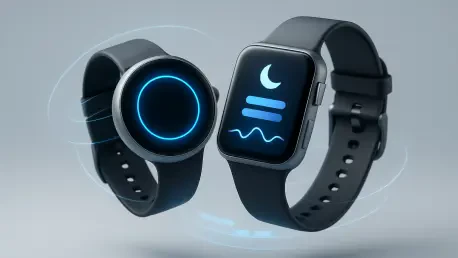

Google’s Super AMOLED Actua screen on the Pixel Watch 5 wraps around the curved edges of the device to create a striking minimalist look that closely mimics high-end traditional timepieces. This design choice highlights a significant shift in the wearable market as we move through 2026, where the distinction between a tech gadget and a fashion statement has almost entirely vanished. For years, the industry followed the lead of a few dominant players, but the current landscape shows a fierce parity where Google and Apple are no longer just competing on specs, but on the very philosophy of how a watch should integrate into a user’s life. With both flagship devices now firmly positioned in the $400 price bracket, the competition has moved beyond affordability and into the realm of proactive artificial intelligence and clinical-grade health monitoring. These devices have evolved from simple notification mirrors into essential health companions that can predict medical issues before they manifest as symptoms. As users weigh their options, the choice is no longer about which watch is objectively better in a vacuum, but which ecosystem provides the most seamless and supportive experience for their specific lifestyle needs. This comparison explores the nuances of hardware, software, and real-world utility that define these two titans of the wrist.
Compatibility and Market Value: A Unified Pricing Strategy
The pricing landscape for high-end wearables has reached a state of equilibrium that would have seemed unlikely just a few years ago. Both the 41mm Google Pixel Watch 5 and the 42mm Apple Watch Series 11 carry an identical starting price of $399.99, while the larger versions of both models begin at $429.99. This standardization suggests that the industry has found a “sweet spot” for flagship technology, where consumers expect a certain level of premium build quality and sensor accuracy without crossing into the thousand-dollar luxury territory. Even the cost to add cellular connectivity has been unified, with both brands charging a $100 premium for the independence of a standalone network connection. This move by Google to match Apple’s pricing directly signals a confidence in their product that was missing in earlier iterations, effectively telling the market that the Pixel Watch is no longer a secondary alternative but a primary contender. However, Apple still maintains a separate tier for those seeking more exclusive materials, offering a titanium Series 11 that targets the luxury market. Google, by contrast, has focused on a single, high-quality build that emphasizes sustainability and durability, catering to a broad demographic rather than a niche luxury audience.
Despite the similarities in pricing, the strict ecosystem requirements of these devices remain the most significant barrier to entry for many potential buyers. The Apple Watch Series 11 continues to operate within a strictly controlled “walled garden,” requiring an iPhone 11 or a newer model to function at all. This exclusivity ensures that every feature is perfectly optimized for the iOS environment, but it leaves no room for those who might want to use Apple’s hardware with a different mobile platform. Google’s Pixel Watch 5 takes a slightly more inclusive approach by supporting most modern Android smartphones, though it still saves its most advanced artificial intelligence features and deepest health integrations for users within the Pixel ecosystem. This creates a market where both watches act as powerful anchors for their respective brands, making the choice of a smartwatch less about the device itself and more about the smartphone already in the user’s pocket. For anyone considering a switch, the total cost of ownership must include the price of a new phone, which reinforces brand loyalty but also limits the flexibility of the consumer. This interdependence has become a hallmark of the 2026 tech economy, where hardware is merely the physical gateway to a much larger suite of software services.
Processing Power and Network Capabilities: Silicon Performance and Safety
When examining the internal hardware, the Pixel Watch 5 utilizes a dual-processor architecture that is specifically engineered for modern efficiency. By combining the Snapdragon W5 Gen 2 with a custom-designed low-power coprocessor, Google has managed to solve the long-standing problem of background battery drain. This setup allows the watch to manage heart rate monitoring, step counting, and the always-on display without engaging the more power-hungry primary chip. When the user interacts with a complex application or triggers a sophisticated AI request, the main processor kicks in with enough power to handle high-level computational tasks seamlessly. In contrast, the Apple Watch Series 11 is powered by the S10 chip, which follows a more traditional iterative path of increasing performance and neural engine capabilities. While the S10 is incredibly fast and allows for more on-device processing of Siri requests, it lacks the unique dual-silicon approach that gives Google an edge in specialized power management. This technical distinction reflects two different ways of solving the same problem: Apple relies on sheer optimization of a single powerhouse, while Google uses a collaborative network of processors to maximize every milliampere of battery life.
Connectivity has also become a major battleground, with each brand prioritizing different types of network access to suit their specific vision of a “connected” lifestyle. The Apple Watch Series 11 includes 5G support, providing the kind of high-speed data access that makes streaming music or downloading offline maps feel as fast as it does on a smartphone. This is a massive boon for urban users who rely on their watch for communication and navigation in densely populated areas. However, Google has taken a different approach by integrating satellite connectivity for emergency services directly into the Pixel Watch 5. Previously, this was a feature reserved only for high-end “Ultra” models designed for extreme outdoor use, but its inclusion in the standard Pixel Watch changes the safety profile of the device significantly. This means that users in remote areas without cellular coverage can still reach emergency responders, a feature that provides a level of security that 5G cannot offer in the wilderness. While Apple’s focus on 5G caters to the speed and data demands of the modern professional, Google’s focus on satellite resilience makes the Pixel Watch a more versatile companion for those who occasionally step away from the digital grid.
Aesthetics and Display: Visual Performance and Wearability
The physical design of these two watches represents a fundamental choice between classic horological aesthetics and modern digital utility. The Pixel Watch 5 maintains its signature circular, domed glass look, which many users find more elegant and similar to a traditional mechanical timepiece. This round form factor is a deliberate attempt to make the technology feel less like a computer on the wrist and more like a piece of jewelry. However, this beauty comes with a trade-off in thickness, as the Pixel Watch measures 12.3mm. On the other hand, the Apple Watch Series 11 stays with its iconic rectangular shape, which is optimized for displaying vertical text and complex app interfaces. At just 9.7mm thin, the Apple Watch is significantly lower in profile, making it much more comfortable for daily wear and less likely to snag on shirt sleeves. This thinness is a major engineering achievement and remains one of the primary reasons many users prefer the Apple design for long-term comfort. The choice between the two often comes down to whether a user prioritizes the classic look of a round watch or the ergonomic efficiency of a thinner, rectangular device.
In terms of display technology, both companies have pushed the boundaries of brightness and clarity to ensure that their watches are readable in even the harshest outdoor conditions. Both the Pixel Watch 5 and the Apple Watch Series 11 feature screens that can reach a peak brightness of 3,000 nits, which is a significant improvement that eliminates the need to shade the watch with a hand on a sunny day. Apple’s display is particularly impressive for its wide-angle viewing capabilities, utilizing a specialized OLED technology that maintains color accuracy and brightness even when viewed from a sharp angle. This is incredibly useful for checking the time or a notification during a meeting or while driving without having to rotate the wrist fully. While the Pixel’s AMOLED screen is vibrant and offers deep blacks that blend perfectly with the curved glass, Apple’s rectangular screen simply offers more usable space. This extra real estate makes a noticeable difference when reading longer messages or interacting with data-heavy apps like weather radars or stock charts. The Pixel Watch is a triumph of design and style, but the Apple Watch continues to lead in terms of functional screen utility and ergonomic thinness.
Battery Longevity: Moving Toward Multi-Day Reliability
Battery life has historically been the “Achilles’ heel” of the smartwatch experience, requiring users to charge their devices every single night. However, the current generation has made significant strides in breaking this cycle. The Apple Watch Series 11 has finally moved past its long-standing 18-hour rating, now promising a full 24 hours of use under normal conditions. In real-world testing, especially with the larger 46mm model, users have reported reaching up to 40 hours when using various power-saving features. This improvement is a welcome relief for Apple users, as it finally makes sleep tracking a viable option without having to find a specific window during the day to charge the device. This shift represents a major change in how the Apple Watch is used, moving it from a daytime-only accessory to a 24-hour health monitor. While it still doesn’t quite match the longevity of some dedicated fitness trackers, the Series 11 has brought Apple’s battery performance into a much more respectable range for the average consumer who occasionally forgets to plug in their device overnight.
Despite Apple’s progress, the Google Pixel Watch 5 remains the clear leader in the category of battery endurance among mainstream smartwatches. The larger model is officially rated for 40 hours of battery life, but in actual daily use, many people are finding that it can comfortably exceed 50 hours. This extra headroom is transformative, as it allows for a true “multi-day” experience where a user can go through two full days and nights of tracking without needing to reach for a charger. This longevity is largely a result of the dual-processor efficiency and the larger physical battery that the thicker design of the Pixel Watch allows. For individuals who travel frequently or those who are deeply committed to sleep tracking and recovery metrics, the Pixel Watch 5 offers a level of reliability that the Apple Watch still cannot quite match. The ability to trust that your watch will last through a weekend trip without a charger is a significant quality-of-life improvement that many users find more valuable than any other single feature. Google has successfully leveraged its thicker form factor to provide a tangible benefit that directly addresses the number one complaint of smartwatch owners.
Intelligence and Apps: Gemini and Siri in the AI Era
Artificial intelligence has become the defining feature of the 2026 tech landscape, and both Google and Apple have integrated their proprietary assistants deeply into their wearable software. Google’s Gemini intelligence on the Pixel Watch 5 is designed to be proactive rather than just reactive. It monitors your schedule and location to provide contextually relevant information before you even think to ask for it. For example, if the watch detects you are at the airport, it can automatically pull up your boarding pass and gate information. If you are waiting at a bus stop, it can provide a real-time countdown for your arrival. This focus on “helpful” AI is a core part of the Pixel experience, making the watch feel like a personal assistant that is always one step ahead of your needs. This proactive nature is powered by Google’s vast data ecosystem, allowing the watch to understand the nuances of a user’s daily routine with an impressive level of accuracy. It transforms the smartwatch from a passive screen into an active participant in the user’s day, reducing the friction of managing complex schedules.
Apple’s Siri has also undergone a massive transformation, becoming more personalized and contextually aware through new software updates and strategic partnerships. While Siri is now much better at understanding natural language and following through on complex, multi-step requests, Apple’s greatest strength remains its robust app ecosystem. The Apple App Store offers a level of quality and variety that the Google Play Store has yet to fully replicate in the wearable space. From specialized diving computers to highly tuned professional fitness apps, the Apple Watch is a more versatile tool for users who need their watch to perform specific, niche tasks. While Google’s Gemini is better at general-purpose “helpfulness,” Apple’s integration with third-party developers ensures that there is an app for almost every conceivable use case. This ecosystem advantage makes the Apple Watch a more flexible device for power users who want to customize their experience with high-quality software. The battle between the two brands is essentially a choice between Google’s seamless, AI-driven automation and Apple’s powerful, app-centric versatility.
Medical Advancements: Clinical Sensors and Emergency Safety
The health tracking capabilities of these devices have moved well beyond simple heart rate monitoring and into the realm of clinical-grade medical diagnostics. Both watches are now equipped with sensors that can monitor blood oxygen levels and skin temperature, and both have received regulatory approval for detecting sleep apnea, a major milestone in consumer health tech. Apple’s health suite focuses heavily on long-term trends and cardiovascular health, bolstered by the polished Fitness+ subscription service that provides guided workouts and motivational metrics. This approach is designed to keep users active and aware of their general fitness levels, providing easy-to-understand summaries of their overall health. One of Apple’s standout safety features is the “Breathing Emergency” detection, which uses the watch’s sensors to identify signs of respiratory distress and can automatically contact emergency services if the user is unable to do so. This level of proactive safety monitoring adds a layer of protection that goes beyond traditional fall detection, making the Apple Watch a vital tool for older adults or those with pre-existing medical conditions.
Google’s “Health Guardian” suite on the Pixel Watch 5 takes a slightly more data-intensive approach by focusing on metabolic health and advanced physiological indicators. The watch is capable of monitoring for signs of insulin resistance and changes in blood pressure, providing users with a deeper look at their internal health than was previously possible in a consumer device. This data is processed by AI-driven health coaching that adapts to the user’s daily recovery levels, suggesting when they should push themselves in a workout and when they should focus on rest. For users who are interested in the “quantified self” movement and want highly detailed metrics about their body’s performance, Google’s offering provides a more analytical experience. The integration with Fitbit’s legacy of health tracking means that the Pixel Watch has access to years of refined algorithms for sleep and activity analysis. While Apple excels at providing a polished, motivational fitness experience, Google has leaned into the role of a medical-grade monitor that provides granular data for those who want to take a more proactive, data-driven approach to their long-term health and wellness.
Final Assessment: The Evolution of Personal Technology
The comparison between these two flagship devices revealed a market that has matured significantly, offering consumers two distinct paths to the same goal of a healthier, more connected life. The competition highlighted how Google successfully bridged the gap in build quality and battery life, creating a device that felt truly competitive with the established dominance of the Apple Watch. Consumers observed that while the Pixel Watch 5 offered superior battery endurance and a more traditional aesthetic, the Apple Watch Series 11 maintained its lead in ergonomic design and the sheer breadth of its third-party app ecosystem. The parity in pricing suggested that the market had reached a consensus on the value of high-end wearable technology, making the decision less about the cost and more about the specific features that resonated with an individual’s daily routine. Both companies demonstrated that the future of the smartwatch was no longer about simple connectivity, but about the integration of deep artificial intelligence and clinical-grade health monitoring that could provide real, actionable insights for the user.
Moving forward, individuals looking to upgrade their wearable technology should evaluate their current smartphone ecosystem as the primary deciding factor, given the deep integration required for both devices. Those who prioritize long-term battery life and a classic, circular design will find the Pixel Watch 5 to be an exceptional choice, especially for its proactive AI features that simplify daily logistics. Conversely, users who value a thinner, more comfortable form factor and access to a massive library of high-quality applications will likely find the Apple Watch Series 11 to be the more versatile companion. It is also recommended to consider specific health needs, as Google’s focus on metabolic metrics like insulin resistance may appeal to a different demographic than Apple’s focus on cardiovascular health and guided fitness routines. Ultimately, the best choice depends on which set of features aligns most closely with your personal health goals and how you prefer to interact with your digital world on a minute-by-minute basis. As these devices continue to evolve, they will only become more essential to our lives, transforming from simple timepieces into the primary interface for our personal health and digital identity.