
Home security systems have undergone a significant transformation lately, as consumers shift their focus from high-priced biometric novelties toward reliable, cost-effective hardware. The current market for smart home peripherals is increasingly crowded with devices that promise facial recognition and artificial intelligence, yet many users find these features redundant or prone to failure under real-world conditions. In this climate, the Eufy Smart Lock C30 has emerged as a standout contender by emphasizing functional simplicity over unnecessary technological bloat. By targeting a sub-one-hundred-dollar price point, this specific model addresses the core requirements of modern homeowners without the prohibitive financial barrier typical of premium security brands. It represents a strategic move to bridge the gap between traditional manual deadbolts and the complex internet-connected ecosystems of the present day. This entry-level solution prioritizes high-speed connectivity and physical durability, ensuring that the primary goal of securing a residence remains the central focus.
Practical Hardware and DIY Accessibility
User-Centric Design: Simplifying the Installation Process
The installation process for the Eufy Smart Lock C30 is engineered to be a straightforward affair, typically requiring no more than fifteen minutes for a complete setup using only a standard screwdriver. This user-centric approach eliminates the need for professional locksmith services, which often cost significantly more than the hardware itself. Because the unit is designed to replace a standard deadbolt without requiring additional drilling or specialized modifications, it appeals directly to individuals who may not possess advanced handyman skills. The internal mounting mechanism is compatible with the vast majority of existing door preparations, including standard cross bores and backsets common in North American residential architecture. By providing all necessary mounting hardware and clear, step-by-step instructions, the manufacturer ensures that the transition from a traditional lock to a smart system is seamless and inclusive for a wide range of homeowners and property managers.
This accessibility makes the lock an particularly attractive option for renters who need to upgrade their security without making permanent alterations to the property. Since the exterior and interior assemblies can be removed just as easily as they are installed, tenants can restore the original hardware before moving out, preserving their security deposit while enjoying modern conveniences during their residency. Furthermore, the compact design of the interior housing ensures that it does not interfere with screen doors or decorative trim, solving a common problem faced by owners of older homes. The mechanical design also incorporates a high-quality motor that operates quietly, reducing the intrusive grinding noise associated with many cheaper electronic locks. This combination of ease of use and mechanical refinement positions the device as a practical entry point for those who have previously been intimidated by the perceived complexity of smart home hardware, reinforcing its role as a versatile security tool for diverse living situations.
Rugged Construction: Performance Under Environmental Stress
Durability remains a primary concern for any external hardware, and the Eufy Smart Lock C30 addresses this through a robust build that favors longevity over aesthetic fragility. While many contemporary designs utilize capacitive touchscreens that can become unresponsive in cold weather or when operated with gloves, this model features physical, backlit buttons that provide definitive tactile feedback. These buttons are specifically engineered to withstand repetitive use over several years without degrading, offering a level of reliability that touch interfaces often struggle to match. For families with small children or elderly members, the physical nature of the keypad is significantly more intuitive, as it provides a clear sensory confirmation that a digit has been successfully pressed. This design choice highlights a commitment to practical utility, ensuring that the lock remains functional in diverse scenarios where sleek, high-tech surfaces might otherwise fail or become frustrating.
Environmental resilience is further bolstered by an IPX3 weather-resistance rating, which protects the internal electronics from rain and humidity. The lock is specifically rated to operate in extreme temperature ranges, maintaining its mechanical and electronic integrity even when external conditions drop to minus twenty-two degrees Fahrenheit. This level of cold resistance is essential for residents in northern climates where winter temperatures frequently disable less robust electronic devices. Although the unit lacks the heavy-duty dust seals found in industrial-grade equipment, its residential-grade protection is more than sufficient for standard front-door applications. The finish of the lock is also treated to resist UV damage and corrosion, preventing the common fading or pitting that can occur after prolonged exposure to direct sunlight or salty coastal air. By focusing on these fundamental environmental protections, the device provides homeowners with the peace of mind that their entry point will remain secure regardless of the season.
Intelligent Connectivity and App Control
Seamless Integration: Built-In WiFi Capabilities
The inclusion of built-in 2.4-GHz WiFi is perhaps the most significant technical achievement of the Eufy Smart Lock C30 given its aggressive pricing strategy. Most entry-level smart locks require an additional bridge or a dedicated hub to enable remote access, which adds both cost and technical complexity to the initial installation. By integrating the wireless module directly into the lock body, the device allows users to connect to their home network immediately after the physical setup is complete. This direct connection enables real-time notifications and remote locking or unlocking capabilities from any location with an internet signal. Homeowners can check the status of their door while at work or traveling, eliminating the anxiety of wondering whether the house was properly secured upon departure. This streamlined architecture not only saves money but also reduces the number of devices drawing power and occupying space within the home’s technological ecosystem.
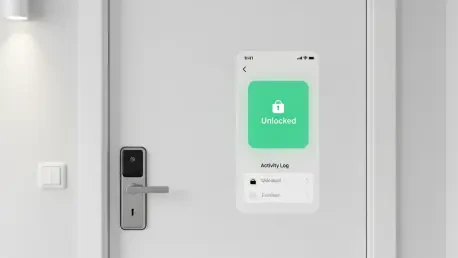
Managing the device is handled through a centralized application that serves as a robust command center for all security settings. Users can generate and manage up to one hundred unique passcodes, which is a substantial capacity for a residential lock. This functionality allows for the creation of permanent codes for residents, recurring codes for cleaning services or dog walkers, and temporary codes for delivery drivers or one-time visitors. The app also provides a detailed activity log, recording every instance the door is opened or closed and identifying which specific code was used. This level of transparency is invaluable for parents monitoring their children’s arrival from school or for landlords managing short-term rental properties. The software is designed to be intuitive, featuring a clean interface that prioritizes essential functions like the auto-lock timer and vacation mode. These digital features enhance the physical security of the home by ensuring that the lock adapts to the specific routines and needs of its inhabitants.
Strategic Trade-Offs: Performance and Market Standing
In the competitive landscape of 2026, the Eufy Smart Lock C30 maintained its position by offering a balanced set of security features that prioritized local data handling and professional-grade encryption. The lock utilized AES-128 digital encryption to secure communication between the device and the smartphone app, ensuring that sensitive access codes remained protected from unauthorized interception. Furthermore, the decision to store access logs locally rather than in the cloud appealed to privacy-conscious consumers who were wary of large-scale data breaches. This local storage approach ensured that even if a server-side issue occurred, the primary security data of the home remained under the owner’s control. The hardware itself carried a BHMA Grade 3 rating, which signified that it met established industry standards for residential security and durability. These specifications provided a solid foundation for a product that aimed to deliver high-end peace of mind at an affordable cost.
While the device lacked some advanced features like Apple HomeKit support or integrated video cameras, its compatibility with Amazon Alexa and Google Assistant ensured it fit into most modern smart home setups. Homeowners used voice commands to check lock status or integrate the door into broader automation routines, such as turning off lights when the door was locked at night. The inclusion of “anti-peep” scrambled code technology allowed users to enter a series of random digits before or after their actual passcode, preventing onlookers from memorizing the sequence. Additionally, the lock featured wrong-try protection that temporarily disabled the keypad after multiple failed attempts, thwarting potential brute-force attacks. Ultimately, the C30 proved that a focus on the essentials of connectivity and physical defense could result in a highly effective security solution. Homeowners who prioritized reliable remote access and physical durability found that this model offered the best overall value for securing their primary residence or investment properties.