
Samsung’s launch of the Galaxy Watch 9 represents a pivotal moment in the wearable industry as the company attempts to transition from a general consumer lifestyle brand into a specialized health-monitoring powerhouse. Following a period of significant growth where the previous generation successfully established itself as the primary Android-based alternative to the Apple Watch, this latest iteration seeks to bridge the gap between casual fitness tracking and professional athletic data analysis. However, the reception of this new hardware remains complex, reflecting a broader tension between rapid software innovation and the plateauing of physical battery technology in smaller form factors. While the device introduces some of the most sophisticated AI-driven wellness metrics seen on a wrist-worn wearable to date, it simultaneously forces potential buyers to navigate a hardware landscape that feels increasingly divided by size. This release ultimately tests the loyalty of the core user base.
Advancing Health and Recovery Tracking
Professional Metrics: Bridging the Performance Gap
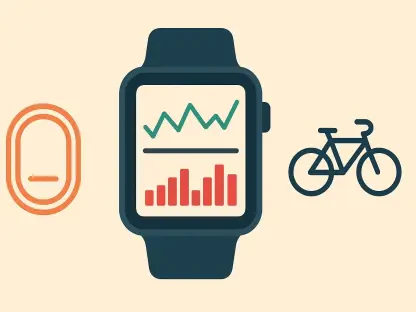
The most significant evolution in this generation of wearables lies in the aggressive push toward advanced recovery metrics, a domain previously dominated by subscription-based fitness straps. By integrating the new Daily Cardio Load feature, the system now provides a comprehensive analysis of physical strain that extends well beyond traditional step counts or active minutes. This metric utilizes complex algorithms to evaluate how much cardiovascular energy was expended throughout a twenty-four-hour cycle, subsequently offering specific recommendations for the following day’s rest or activity level. It effectively democratizes professional-level data, allowing enthusiasts to understand their physiological limits without the burden of recurring monthly fees associated with specialized athletic trackers. This shift toward high-fidelity recovery data represents a strategic move to capture the “prosumer” segment of the market, focusing on users who prioritize data-driven training cycles and physical readiness over simple activity logging.
Peer Benchmarking: The Role of the Fitness Index
Building on this analytical foundation, the device introduces a comprehensive Fitness Index designed to contextualize a user’s physical capabilities within their specific demographic. Rather than offering isolated statistics about heart rate or VO2 max, the software now benchmarks strength, flexibility, and endurance against thousands of data points from individuals in the same age group. This adds a critical layer of relevance that many general smartwatches have lacked, helping individuals recognize whether their current routine is sufficient for maintaining long-term vitality. Furthermore, the updated heart health monitoring system has been refined to provide more intuitive alerts during periods of high cardiovascular strain, ensuring that the data is not only gathered but also presented in a manner that encourages proactive health management. By weaving these AI-enhanced insights into the standard user interface, the manufacturer has successfully created a tool that feels less like a passive observer and more like an active coach.
Design Identity and Physical Refinement
Visual Maturity: Solidifying the Squircle Aesthetic
The visual identity of the brand has reached a state of maturity through the continued refinement of the “squircle” case design, a unique geometry that blends circular and rectangular elements. While this silhouette initially sparked debate among traditionalists, it has since become a definitive signature that distinguishes the product line from the more conventional round displays found on competitor devices. This commitment to a recognizable aesthetic serves a dual purpose: it establishes a premium brand presence in a crowded market and maximizes the usable screen real estate for displaying complex health data. The result is a device that feels contemporary and purposeful, moving away from the aesthetic of a classical timepiece to embrace its role as a modern digital instrument. By solidifying this design language, the company has managed to build a cohesive visual ecosystem that appeals to those looking for a distinctive piece of technology that does not merely mimic the hardware of the past but defines a new standard.
Sensor Precision: Enhancing Ergonomic Data Quality
Functional improvements to the physical construction go beyond mere aesthetics, focusing heavily on the ergonomic relationship between the sensor array and the human wrist. The newly introduced watch band is seventeen percent thinner than previous iterations, which significantly enhances the overall comfort during prolonged periods of wear, particularly during sleep or high-intensity exercise. A thinner and more flexible band allows for a more consistent and secure fit, ensuring that the biometric sensors maintain uninterrupted contact with the skin even as the body moves. This is critical for the accuracy of high-resolution sensors that monitor everything from blood oxygen levels to skin temperature, where even a slight gap can lead to skewed data. These subtle physical refinements demonstrate an understanding that the most advanced health software in the world is only as effective as the hardware’s ability to maintain a steady stream of high-quality data. The ergonomic shift ensures that the device remains wearable throughout the entire day.
Hardware Disparities and Market Competition
Segmented Capabilities: Addressing Battery Life Imbalance
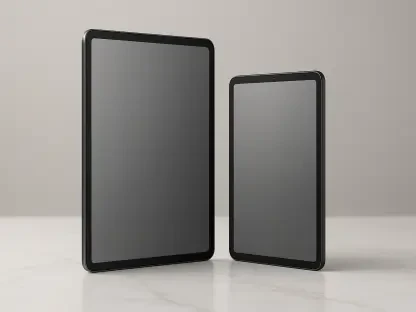
A notable point of contention for potential buyers remains the growing disparity between the different size configurations, specifically regarding the energy management of the smaller model. While the larger variant benefited from a substantial battery capacity increase to support the new AI-driven features, the forty-millimeter version continues to utilize the older three-hundred-twenty-five-milliampere-hour cell. This decision creates a challenging scenario for users with smaller wrists who desire the full “pro” experience but are forced to contend with less endurance than their counterparts. This lack of hardware parity across the lineup suggests a compromise that may frustrate long-time supporters who expected a uniform upgrade across the entire series. When coupled with a price increase across all models, the value proposition of the smaller unit becomes harder to justify. The market now faces a situation where the choice of size dictates more than just style; it determines the fundamental reliability of the device.
Strategic Considerations: Choosing the Right Ecosystem Path
The strategic landscape of the wearable market shifted as users weighed the impressive software advancements against the rising costs of flagship hardware. For many individuals, the decision between the latest model and its predecessor came down to the specific value of the recovery metrics compared to the budgetary impact of the price hike. Those who required the most comprehensive data found that the larger model provided the necessary endurance, while consumers prioritizing portability often discovered that the previous generation offered a more balanced price-to-performance ratio. It became clear that the path forward involved prioritizing the 44mm model for serious athletic tracking, whereas the 40mm model functioned best as a high-end lifestyle accessory. Ultimately, the industry moved toward a period where software-led insights dictated worth, yet the physical constraints of battery life remained the primary hurdle. Practical buyers took the step of evaluating their specific wrist size and endurance needs before committing to the premium of the current generation.