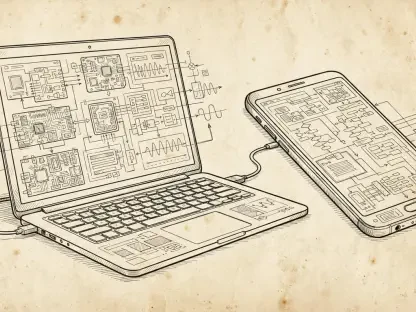

The digital gold rush of the current decade has hit a physical wall where the astronomical expense of maintaining massive server farms is finally colliding with the reality of consumer budgets and supply chain limits. While the initial surge of generative intelligence was built on the back of centralized cloud infrastructures, the escalating costs associated with this model have triggered a seismic shift in how technology companies approach development. The industry is currently grappling with what many analysts call the trillion-dollar artificial intelligence hallucination, a term describing the massive gap between venture-funded infrastructure spending and the actual revenue generated by these services.
The primary objective of this analysis is to navigate the complex economic landscape of modern technology, specifically focusing on the transition from cloud-based systems to localized, or edge, processing. Readers can expect to explore the various hidden costs of the current artificial intelligence boom, the manufacturing pressures affecting consumer electronics, and the strategic divergence between tech giants like Apple and their server-dependent competitors. By understanding these dynamics, one can better anticipate the hardware trends and pricing shifts that define the electronics market in the current year.
Key Questions or Key Topics Section
What Is the “AI Consumer Tech Tax” Affecting Modern Hardware Prices?
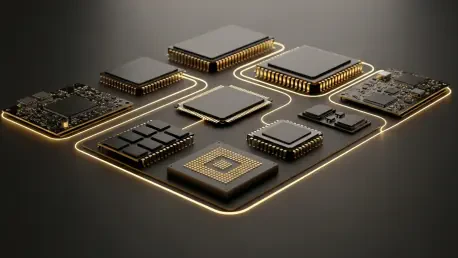
The burgeoning demand for specialized artificial intelligence components has fundamentally altered the global semiconductor supply chain, creating a shortage by design. Major memory manufacturers are currently prioritizing the production of High Bandwidth Memory and advanced-layer 3D NAND to satisfy the insatiable hunger of enterprise-level server farms. Because these high-value components offer much higher profit margins than standard consumer-grade RAM, production capacity for regular laptops and smartphones has been drastically curtailed, leading to a significant spike in base component costs.
This reallocation of resources has manifested as a hidden tax for everyday technology users, with price increases rippling through the entire electronics sector. Current market data suggests that standard PC and smartphone shipments are facing a contraction due to these rising costs, with average consumer prices jumping by nearly fifteen percent over the last year. Popular manufacturers like Samsung and Sony have already adjusted their pricing structures to accommodate these expenses, forcing consumers to pay a premium even for devices that do not explicitly feature advanced artificial intelligence capabilities.
How Does Tech “Shrinkflation” Impact Modern Device Specifications?
To avoid alienating customers with sticker shock, many hardware manufacturers have turned to a strategy of technical shrinkflation. This involves maintaining a familiar retail price point while subtly reducing the quality or quantity of internal components to protect profit margins. For instance, a laptop model that previously featured a high-resolution OLED display might be refreshed with a lower-quality LCD panel, or a smartphone might see a reduction in the speed of its storage modules while retaining the same marketing branding as its predecessor.
Even premium brands are finding it difficult to absorb the surging costs of raw materials and specialized chips. Recent projections indicate that upcoming flagship mobile devices, such as the iPhone 18 Pro, could see substantial price increases just to maintain current performance standards. This pressure creates a challenging environment for the consumer, who must now scrutinize technical specifications more closely than ever to ensure they are receiving the same value that was offered in previous hardware generations.
Why Is the Economic Model for Cloud-Based Generative AI Considered Unsustainable?
The current business model for large-scale cloud intelligence is frequently described as a form of economic socialism, where venture capital heavily subsidizes the massive compute costs of every user interaction. Calculations indicate that for every twenty dollars a user pays for a subscription, they might be consuming thousands of dollars in server processing power and energy. This disparity suggests that the current growth of cloud-based models is not driven by profitability, but by a desperate race for market share that cannot be maintained indefinitely without significant price corrections.
Furthermore, the actual return on investment for large-scale corporate deployments has remained surprisingly low. While major financial institutions and tech conglomerates have spent billions of dollars on experimental implementations, few have seen a corresponding increase in productivity that justifies the ongoing operational expenses. This disconnect has led some companies to impose internal limits on how many tokens their employees can use, signaling a broader retreat from the idea that centralized cloud intelligence can solve every business problem efficiently.
In What Ways Does Apple’s Strategy Represent a Pivot Toward Edge AI?
In contrast to the heavy reliance on centralized servers, a new strategy focused on on-device processing has emerged as a more sustainable alternative. This approach, often referred to as edge intelligence, involves running distilled versions of large language models directly on the user’s hardware. By utilizing techniques like model distillation, developers can create smaller, highly efficient versions of complex systems that provide specialized functionality without the latency or astronomical subscription costs associated with the cloud.
This localized approach offers significant advantages in terms of both privacy and performance. When a device processes information internally, sensitive data like emails, photos, and personal messages never needs to leave the hardware, which aligns with modern consumer expectations for data security. Moreover, because the computation happens locally, the system is not dependent on a stable internet connection or the availability of distant server clusters, making the intelligence far more reliable and responsive for everyday tasks.
How Does the Move to Local Intelligence Create a Paradoxical Demand for Memory?
While moving away from the cloud reduces server costs, it creates a new set of hardware requirements that complicates the supply chain. To run sophisticated models locally, consumer devices require a substantial increase in random access memory compared to standard computing needs. This means that even as manufacturers try to escape the costs of server farms, they are forced to pack their devices with more expensive RAM, which ironically fuels the very same memory shortage that drove up prices in the first place.
This paradox has resulted in a volatile market where memory prices continue to climb, even as the industry shifts its architectural focus. Suppliers remain hesitant to build new factories or expand capacity significantly, fearing that the current bubble might burst before their investments can pay off. As a result, the transition to the edge represents a double-edged sword: it offers a path toward lower operational costs and better privacy, yet it keeps the consumer trapped in a cycle of high hardware prices due to the sheer volume of memory required for modern localized intelligence.
Summary or Recap
The transition from centralized cloud computing toward edge intelligence represents a fundamental correction in the technology market. The industry has reached a point where the massive subsidies provided by venture capital can no longer mask the physical and economic costs of maintaining global server infrastructures. As manufacturers grapple with memory shortages and the rising price of components, the focus has shifted toward efficiency and miniaturization. This movement toward localized processing, led by strategic pivots from major players like Apple, aims to provide users with responsive and private tools that do not rely on an unsustainable economic model. While this shift introduces its own challenges, such as the increased need for local RAM and the risk of technical shrinkflation, it points toward a more stable and cost-effective future for consumer electronics.
Conclusion or Final Thoughts
The era of unrestricted cloud expansion gave way to a more pragmatic approach centered on hardware-software integration. Those who recognized the limitations of centralized server farms early on were able to pivot their product lines to favor on-device efficiency, effectively insulating themselves from the most volatile price swings of the infrastructure market. Consumers eventually learned that the true value of intelligence was not found in the size of a remote data center, but in the capability and privacy of the device held in their hand.
Moving forward, individuals should prioritize hardware with sufficient memory to support local processing, as this will likely become the standard for software longevity. Developers would be wise to focus on model optimization and distillation to ensure their applications remain accessible without requiring expensive cloud subscriptions. Ultimately, the successful navigation of this landscape required a balance between technical ambition and the hard realities of global manufacturing, proving that the most intelligent solutions are often those that work best within the constraints of our physical world.