
The landscape of wearable technology has evolved into a highly specialized ecosystem where hardware is no longer a generic tool but a precision-engineered instrument tailored for specific human experiences and environmental extremes. This strategic shift in the 2026 product lineup reflects a growing understanding that consumers are no longer satisfied with incremental updates that follow a singular path of development. Instead, there is a clear bifurcation between those who require a streamlined, high-performance daily companion and those who demand a ruggedized tool capable of surviving the most hostile conditions on the planet. By dividing the flagship offerings into these two distinct categories, the industry has managed to provide top-tier internal technology to everyone while allowing the external chassis and battery capabilities to vary based on the user’s specific lifestyle requirements. This approach ensures that a professional athlete and a corporate executive both have access to the same clinical-grade health data, even if their physical environments are diametrically opposed.
Unified Architecture and Internal Performance Systems
Processing Efficiency and System Performance
At the core of this year’s wearable revolution lies the Qualcomm SDW6100 processor, a 3nm five-core chipset that represents a significant leap in computational efficiency compared to previous generations. This architecture was specifically designed to handle the heavy demands of Wear OS 7 and the sophisticated One UI 9 Watch interface without the thermal throttling issues that often plagued older, less efficient 5nm designs. By utilizing a cutting-edge 3nm FinFET process, the silicon occupies a smaller footprint within the watch casing while providing a higher density of transistors, which translates directly to faster app launches and smoother transitions between complex watch faces. The integration of a dedicated Neural Processing Unit within the chipset also allows for on-device machine learning, which processes biometric data locally rather than relying on constant cloud communication, thereby enhancing both privacy and system responsiveness in real-time scenarios.
The software experience remains remarkably consistent across the entire product line because the underlying hardware provides a surplus of power that ensures longevity throughout the 2026 to 2028 life cycle. Users will notice that background tasks, such as continuous heart rate monitoring or high-frequency environmental noise analysis, no longer cause the stuttering that was once common when interacting with the foreground interface during intense workouts. This seamless multitasking is a result of the sophisticated core management system in the SDW6100, which intelligently shunts low-power tasks to efficiency cores while reserving the high-performance cores for user-facing interactions. Whether one is navigating through a dense urban environment using heavy mapping software or simply checking notifications during a morning meeting, the system performance remains fluid and reliable, setting a new benchmark for what is expected from a premium smartwatch in the current market.
Biometric Innovation and Tracking Accuracy
The shared BioActive sensor suite serves as the primary biological interface between the user and the device, utilizing a sophisticated array of optical, electrical, and bioimpedance sensors to provide a holistic view of human health. This year, the sensor array has been enhanced with a proprietary fitness index that analyzes cardiovascular recovery and metabolic efficiency to provide a single, actionable score each morning. Additionally, the inclusion of a hearing health monitor represents a major step forward in preventative care, as the device can now track long-term exposure to dangerous decibel levels and alert the wearer to potential auditory risks before permanent damage occurs. Because these sensors are identical in both the standard and ultra models, users do not have to pay a premium price just to receive the most accurate heart rate, blood oxygen, or body composition measurements available in the wearable market today.
Location tracking has also seen a monumental upgrade with the implementation of dual-frequency L1 plus L5 GPS across the entire 2026 lineup. This technology is particularly critical for individuals who live in dense urban centers where tall skyscrapers often create multipath interference, leading to inaccurate positioning and “drift” on standard GPS devices. By receiving signals on two different frequencies simultaneously, the watch can filter out reflected signals and provide a precise location lock even in the most challenging “urban canyons” or under heavy forest canopies. For the hiker or the city runner, this means that every mile is accounted for with pinpoint accuracy, and the probability of losing a signal during a critical turn is virtually eliminated. This level of precision was previously reserved for high-end professional navigation equipment, but it has now become a standard feature that democratizes advanced tracking for every user in the ecosystem.
Physical Attributes and Environmental Adaptability
High-End Materials and Specialized Instrumentation
The Galaxy Watch Ultra2 is explicitly engineered for those who view their wearable as a critical piece of survival equipment rather than a mere accessory, retailing at a premium price of $1,299 to reflect its professional-grade construction. It is encased in a Grade 5 titanium housing that provides an exceptional strength-to-weight ratio, ensuring the device can withstand significant impacts and abrasive forces that would easily compromise a standard aluminum frame. Perhaps the most striking feature of the Ultra2 is its Super AMOLED display, which is capable of reaching an industry-leading 5,000 nits of peak brightness. This extreme luminance ensures that the screen remains perfectly legible even when subjected to the intense, direct sunlight found in high-altitude mountain environments or vast desert landscapes, where standard screens often appear washed out and unreadable.
Beyond its physical toughness, the Ultra2 carries a specialized EN13319 certification, which officially classifies it as a legitimate instrument for scuba diving and subsurface exploration. It features integrated sensors that automatically track depth, water temperature, and dive duration, providing a reliable backup for professional divers or a primary tool for recreational enthusiasts. To support these demanding outdoor activities, the watch is equipped with a massive 800mAh battery that can sustain up to 60 hours of continuous use even with the always-on display active. This extended longevity is a crucial factor for multi-day trekking expeditions or long-distance endurance events where charging opportunities are non-existent, allowing the user to rely on their navigation and health data without the constant anxiety of a dying battery.
Versatile Design for Daily Ergonomics
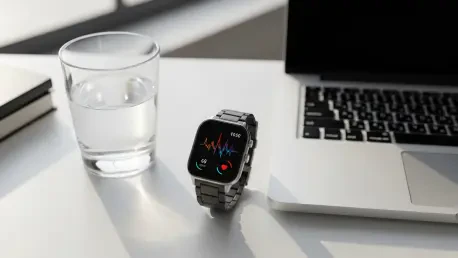
In contrast, the Galaxy Watch9 is designed for the vast majority of consumers who require a powerful, intelligent device that integrates seamlessly into their daily lives without the bulk or specialized features of the Ultra line. Starting at a more accessible $649, this model is available in 40mm and 44mm sizes, making it an ideal choice for individuals with smaller wrists or those who prefer a more traditional, understated watch profile. The construction is centered around high-grade aluminum, which is significantly lighter than titanium and allows the 40mm model to weigh in at a mere 31.5 grams. This reduction in weight is not just a matter of comfort; it is a functional advantage for sleep tracking, as users are much more likely to wear a lighter, thinner device throughout the night, leading to more consistent and accurate long-term health trends.
While the Watch9 may not have the extreme depth rating of its more expensive sibling, its 5ATM water resistance and 3,000-nit display are more than sufficient for the rigors of everyday life, from swimming laps in a local pool to checking messages in bright sunlight. The display remains one of the best in the industry, offering vibrant colors and deep blacks that make the One UI 9 interface pop with clarity. This model focuses on the ergonomics of 24/7 wear, providing a balance of style and functionality that works as well in a formal boardroom as it does in a gym. For the average user, the Watch9 offers a more practical value proposition, delivering 100% of the internal processing speed and biometric accuracy of the flagship model in a package that is significantly easier to wear during both active and sedentary periods of the day.
Strategic Positioning and Selection Criteria
Heritage Designs and Legacy Support
The presence of the Galaxy Watch8 Classic in the 2026 marketplace serves as a nod to traditionalists who value the tactile feedback of a physical rotating bezel and a more classic timepiece aesthetic. While this model remains popular for its iconic design, it is important for prospective buyers to understand the technical trade-offs involved in choosing a device that utilizes older processor architecture and previous-generation screen technology. The Watch8 Classic lacks the 3nm efficiency of the SDW6100 and the ultra-bright displays found in the 9 series, making it a choice primarily driven by style rather than a desire for the latest technological breakthroughs. It occupies a unique niche for those who are willing to sacrifice some battery life and processing speed for the sake of a mechanical interface that many still find superior for navigating menus and lists.
This legacy support highlights a broader trend in the industry where specialized hardware is becoming the norm, yet room is still carved out for designs that have proven their ergonomic worth over time. However, as the 2026 to 2028 software updates become more demanding, the gap between the modern 3nm-based watches and the older Classic models will likely widen. Users who prioritize future-proofing and the most advanced health metrics should look toward the current generation, as the improvements in sensor sensitivity and GPS accuracy represent a fundamental shift in data quality. The Classic remains a solid choice for those who view their smartwatch as a piece of jewelry first and a computer second, but it no longer stands as the pinnacle of performance within the current hierarchy of Samsung wearables.
Final Selection and Future Outlook
The decision between the Galaxy Watch9 and the Ultra2 ultimately rested on a realistic assessment of daily habits versus occasional aspirations, with the standard model providing ample power for the majority of urban lifestyles. Looking ahead, the decision to invest in the Ultra2 was justified for those whose activities regularly pushed beyond the boundaries of standard hardware, specifically within the realms of professional diving or multi-day endurance racing. By prioritizing sensor parity across both devices, the current generation ensured that the quality of health data remained a constant, allowing the physical build and battery capacity to serve as the true differentiators in a crowded market. It was a strategy that successfully separated the concept of a “prosumer” instrument from a “lifestyle” wearable without compromising the fundamental intelligence of the platform.
Moving toward the 2026 to 2028 window, users should focus on ensuring their wearable ecosystem supports the increasingly granular health metrics that have become standard. Evaluating these devices based on their long-term durability and the specific requirements of one’s environment remained the most effective strategy for securing a piece of technology that would survive the rigors of both the office and the wilderness. It became clear that the value of a smartwatch was no longer measured by how many features it could cram into a single shell, but by how well those features aligned with the lived reality of the person wearing it. Whether choosing the lightweight elegance of the Watch9 or the uncompromising armor of the Ultra2, the result was a sophisticated tool that empowered the user with a deeper understanding of their own physical limits and potential.