
The global technology market is currently navigating a period of unprecedented price volatility as the insatiable demand for artificial intelligence hardware continues to put immense pressure on the international semiconductor supply chain. This specific economic climate in 2026 has transformed the way consumers approach purchasing personal electronics, shifting the focus from luxury and brand prestige to raw utility and cost-efficiency. As high-speed memory and advanced silicon are diverted to massive data centers, the average price of consumer laptops and tablets has climbed significantly, leaving many buyers struggling to find value in a saturated marketplace. Traditional purchasing cycles have been disrupted, and the common practice of buying the most expensive “future-proof” machine is no longer a viable or sensible financial strategy for most individuals. Instead, a more tactical approach is required, focusing on identifying the precise requirements of daily tasks rather than paying for excess capacity that will ultimately go unused during the typical lifespan of the device.
Maximizing Value Through External Storage Solutions
Navigating the Burdensome Manufacturer Storage Markups
One of the most significant financial pitfalls when purchasing a new laptop or tablet is the substantial premium that manufacturers place on internal storage upgrades. Often referred to as a structural tax on consumers, the cost of moving from a base model with 256GB of storage to a 1TB version can frequently exceed the actual market value of the hardware by several hundred percent. This discrepancy exists because integrated storage is marketed as a seamless convenience, yet the actual components used are often identical to those found in much cheaper external alternatives. For a consumer looking to maximize their budget in 2026, the base model of a device represents the most logical entry point, as it provides the essential processing power without the inflated costs associated with high-capacity internal drives. By resisting the urge to upgrade internal capacity at the point of sale, a buyer can preserve a significant portion of their budget for other essential accessories or professional software.
Building a strategy around the base model requires a shift in how data is perceived and managed within a personal ecosystem. While the internal drive of a modern laptop or tablet is optimized for extreme speeds to support the operating system and core applications, the vast majority of user data does not require such high-performance access. High-resolution photographs, extensive video libraries, and archived documents perform perfectly well when stored on external media, provided that the connection interface is sufficiently modern. By identifying which files are active and which are archival, a user can maintain a very lean internal drive that remains responsive and fast. This hybrid approach to storage management not only saves money upfront but also provides a level of data portability that internal drives cannot match. If a device fails or needs to be replaced, the most important and space-consuming data is already safely stored on an external unit, simplifying the transition to a new machine.
Leveraging High-Speed Connectivity for Data Expansion
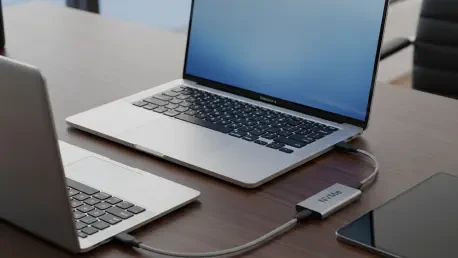
To successfully implement a tiered storage strategy, it is essential to utilize external drives that leverage modern connection standards such as USB 4.0 or Thunderbolt 5. These interfaces provide sufficient bandwidth to make the experience of using an external Solid State Drive feel nearly as fast as using the internal storage for most common tasks. In the current 2026 market, external NVMe drives have become highly affordable, offering a cost-effective way to add terabytes of space for a fraction of what a manufacturer would charge for an internal upgrade. These drives are small enough to be carried in a pocket or attached to the back of a tablet with adhesive mounts, effectively negating the bulkiness that once made external storage a nuisance. Investing in a high-quality external drive is a one-time expense that can follow a user from one device to the next, providing a consistent repository for data regardless of how often the primary computer or tablet is upgraded.
When configuring a device with limited internal space, the most effective method involves designating the internal drive solely for the operating system, critical system files, and frequently used applications. This ensures that the device boots up quickly and that professional software suites like video editors or design tools have the necessary high-speed workspace to function without lag. Meanwhile, the external drive acts as a dedicated media center where the bulk of the user’s digital footprint resides. This clear division of labor between internal and external hardware prevents the primary system from becoming cluttered with fragmented data, which is a common cause of performance degradation over time. Furthermore, using external storage encourages a more disciplined approach to data organization, as users are more likely to curate their files when they are consciously moving them between different storage tiers. This level of organization is key to maintaining a high-performing system.
Strategic Hardware Selection and Maintenance
Identifying the Diminishing Returns of Excessive System RAM
Memory requirements have often been exaggerated by marketing campaigns that suggest more RAM is always necessary for a smooth computing experience, regardless of the actual use case. For the vast majority of consumers engaged in standard office productivity, web browsing, and 4K media consumption, 16GB of RAM remains the effective sweet spot for performance and value in 2026. While professional environments involving complex 3D rendering or massive data analysis may benefit from 32GB or more, the average user will rarely see a tangible benefit from these higher tiers. Paying for excessive memory capacity is a common way to overspend on a device, especially as integrated memory in modern laptops is typically not upgradeable after the purchase. Conducting a realistic assessment of daily software usage allows a buyer to avoid the trap of “spec chasing,” where they pay for hardware capabilities that their software will never fully utilize.
The specific generation of memory also plays a vital role in the total cost of ownership, with some budget-friendly devices still utilizing older but highly capable standards. While DDR5 memory offers improved speeds, the actual real-world difference for casual users is often negligible compared to the price increase over DDR4-based systems. When selecting a new laptop or tablet, it is often more beneficial to look for a well-optimized system with adequate cooling rather than just focusing on the highest memory clock speeds. A device that can maintain its peak performance through better thermal management will often outperform a poorly designed machine with more RAM. By prioritizing balanced system architecture over individual high-end specifications, consumers can find robust machines at more competitive prices. This shift in perspective helps in identifying value in the mid-range market, where manufacturers often balance components more effectively than in the flashy, high-end flagship models.
Strategic Benchmarking and Software Optimization
Determining the longevity of a device involves more than just looking at the technical specifications; it requires an understanding of how modern software interacts with hardware. Many buyers rely on the minimum system requirements listed by software developers, but these figures are often intended to represent the barest level of functionality rather than a pleasant user experience. A more effective strategy is to look for the “recommended” specifications and use them as the ceiling for a purchase, rather than a floor to be exceeded. This prevents the unnecessary expenditure on top-tier processors that provide power which remains dormant during most activities. Furthermore, the 2026 software landscape has seen a rise in efficient, cloud-integrated applications that offload much of the processing burden to remote servers, further reducing the need for localized high-performance hardware for many standard tasks.
Maintaining a device’s performance over several years is equally as important as the initial purchase price in terms of overall financial savings. Regularly auditing the applications that are permitted to run at startup can prevent the gradual slowdown that many users mistake for hardware obsolescence. Many modern apps install background agents that consume memory and processor cycles even when the main program is not in use, leading to a sluggish system. By aggressively managing these background processes and removing software that is no longer needed, a user can keep a mid-range machine running at like-new speeds for a much longer period. This proactive digital maintenance effectively extends the replacement cycle of the hardware, allowing the owner to skip several generations of expensive upgrades. When the focus shifts from buying more power to managing existing resources, the need for frequent and costly hardware investments naturally diminishes.
Implementing Long-Term Strategies for Device Sustainability
The adoption of these strategies resulted in a significant shift in how personal technology was integrated into daily life and professional workflows. Users who embraced external storage and focused on actual performance needs rather than theoretical benchmarks found that their devices remained functional and efficient for much longer than previous trends suggested. This move toward intentional consumption was supported by a more thorough understanding of hardware limitations and the realization that software efficiency often mattered more than raw power. The financial benefits were immediate, as the average cost per year of device ownership dropped when the initial purchase prices were kept in check and the replacement cycles were extended. This disciplined approach to technology management became a standard for those looking to navigate the high-cost environment of the mid-2020s without sacrificing their digital capabilities.
The long-term success of these methods depended on a commitment to regular system maintenance and an awareness of the changing digital landscape. By prioritizing connectivity and modularity through external components, individuals ensured that their setups remained flexible and adaptable to new technological developments. This foresight allowed for a more sustainable relationship with technology, where the focus remained on the utility of the tool rather than the prestige of the latest model. The lessons learned during this period of high prices provided a roadmap for future hardware acquisitions, emphasizing that value was always a product of careful planning and resource optimization. Ultimately, the transition to these smarter purchasing and maintenance habits empowered consumers to take control of their digital lives, ensuring they had the right tools for the job without incurring unnecessary debt or waste in a volatile global economy.