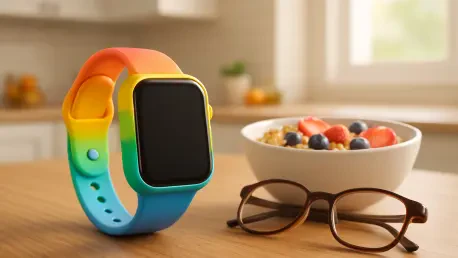

Tracking more than 30,000 person-year observations shows that the psychological benefits of smart wearables are significantly influenced by an individual’s digital literacy. As the global population continues to age, the integration of smart wristbands and watches has transitioned from a specialized fitness trend to a vital component of geriatric mental health management. Researchers have identified a compelling link between the consistent use of these devices and a reduction in depressive symptoms among older adults. This shift suggests that the simple act of monitoring one’s vitals or daily steps might provide more than just physiological data; it appears to offer a sense of agency and connectivity that is often lost in later life. While the hardware itself is sophisticated, the true value lies in how these tools reshape daily routines, fostering a proactive approach to well-being that counteracts the isolation often associated with aging.
Psychological Shifts Through Activity Monitoring
Positive Impact: Reduced Depressive Symptoms
The empirical evidence gathered through reverse-coded nine-item CES-D scales reveals that when an older adult begins using a smart wearable, their mental health score tends to improve significantly against their own historical baseline. A coefficient of 0.719 underscores this positive association, indicating that the introduction of technology provides a measurable buffer against the onset of depressive symptoms. This phenomenon is likely tied to the feedback loops created by smart devices, where visual representations of health progress—such as meeting a daily step goal or maintaining a healthy sleep cycle—provide immediate psychological rewards. These small victories contribute to a heightened sense of self-efficacy, helping seniors feel more in control of their biological aging processes. The data suggests that this improvement is not merely a temporary boost in morale but a sustained trend that persists as the user becomes more accustomed to integrating the device into their lifestyle.
Active Aging: Connectivity and Social Adaptation
Beyond the immediate relief of depressive symptoms, the adoption of wearable technology is increasingly seen as a catalyst for a broader transition toward active aging and enhanced social connectivity. Seniors who wear smart devices are more likely to report higher levels of social adaptation and frequent participation in local leisure activities compared to those who do not use such technology. This suggests that the devices serve as a bridge to the community, perhaps by facilitating participation in group fitness challenges or simply providing the physical confidence needed to engage in outings. As these individuals track their metrics, they often find themselves more motivated to join social circles focused on health, thereby reducing the risks of social isolation. The psychological benefits therefore extend into the social sphere, where the device acts as both a monitor and a motivator, encouraging a more vibrant and engaged way of life that naturally mitigates the common emotional challenges of aging.
Navigating the Digital Divide in Geriatric Care
Technical Proficiency: Smartphone Literacy as a Barrier
While the benefits of wearables are evident, the degree of success is heavily dependent on the user’s existing technical competence, particularly their proficiency with smartphone applications. Individuals who demonstrate a high level of digital literacy experience a far more robust correlation between device ownership and mental health improvements than those who struggle with basic navigation. This disparity highlights a critical barrier in the digital health landscape; without the ability to interpret data or sync devices seamlessly, the technology can become a source of frustration rather than a tool for empowerment. Moreover, socioeconomic factors like the “hukou” household registration status continue to play a defining role in how these technologies are accessed and utilized. While demographic factors such as gender or age did not significantly alter the association, the underlying social structures and access to digital education remain the primary gatekeepers for those seeking to benefit from the latest innovations.
Future Implementation: Bridging the Socioeconomic Gap
The focus shifted toward bridging the digital divide through targeted educational programs that empowered seniors to master their devices independently. The observational nature of the studies suggested that while the link between wearables and mental health was strong, the industry needed to account for the possibility that healthier, more socially active individuals were simply more likely to purchase these tools in the first place. Therefore, implementations prioritized the integration of simplified user interfaces and community-based support systems to ensure that the psychological advantages were accessible to all, regardless of their initial digital proficiency. Developers and healthcare providers viewed these devices not just as hardware, but as part of a comprehensive support ecosystem. By addressing the technical and social barriers identified in research, society moved closer to a model of aging where technology served as a seamless extension of personal care, ultimately fostering a more resilient and connected elderly population.