
The transition from viewing a smartwatch as a mere extension of a smartphone to treating it as a primary communication terminal has reached a critical milestone with the reintroduction of Telegram’s native support for high-end wearable devices. On June 11, 2026, the messaging platform officially ended its long hiatus from the wearable ecosystem by launching dedicated applications for both watchOS and Wear OS. This shift marks a significant change in how the company perceives the utility of secondary screens, moving away from simple notification mirroring toward a robust, standalone experience. By prioritizing “active” engagement, the update was specifically designed to meet the needs of individuals who operate in high-performance environments, such as endurance athletes and professionals who require hands-free connectivity. This strategic move acknowledges that the hardware in modern smartwatches has finally caught up to the software demands of a feature-rich messaging service, allowing for a seamless transition between devices without sacrificing functionality or speed.
Digital Evolution: Restoring Native Wrist-Based Communication
Historical Context: Reconnecting the Disconnected User
To understand the weight of this relaunch, it is necessary to examine the period of absence that left many power users without a direct way to manage their conversations from the wrist. Apple Watch users had been without a native Telegram application since 2015, while the support for Google’s Wear OS was quietly discontinued back in 2021, creating a multi-year gap where functionality was limited. During this interval, users were forced to rely on passive notifications, which allowed for quick replies but prevented the browsing of chat histories or the management of group settings. The decision to return to these platforms in 2026 highlights a recognition that the smartwatch market has matured into a landscape of powerful, independent tools rather than just notification relays. This evolution was driven by the demand for deeper interaction, as users increasingly sought the ability to initiate new conversations and search through archived media without the need to physically access their primary mobile phones.
Technical Capabilities: Navigating Advanced Native Functions
The current iteration of the native applications introduces advanced capabilities that were previously impossible under the old notification-mirroring model. Users now have the ability to listen to long-form voice notes, watch high-definition video clips, and interact with live location data directly through the watch interface. Interestingly, the initial rollout in 2026 displayed subtle nuances between the two major operating systems; for instance, the Wear OS version launched with more comprehensive administrative tools for message deletion and group moderation. In contrast, the watchOS version prioritized the visual experience, offering a more refined implementation of stickers and smoother map interactions for shared locations. Telegram has already confirmed that these discrepancies were merely temporary artifacts of the development cycle, with a commitment to unify the feature sets across all wearable devices in the coming software patches to ensure a consistent user experience regardless of the hardware.
Strategic Expansion: Empowering High-Performance and Global Communities
Performance Focus: Integrating With Active Lifestyles
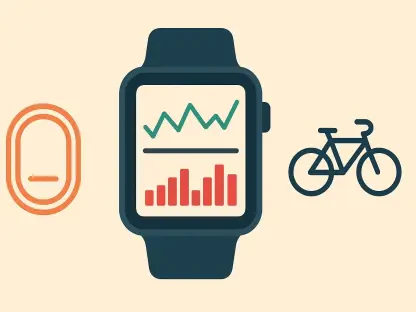
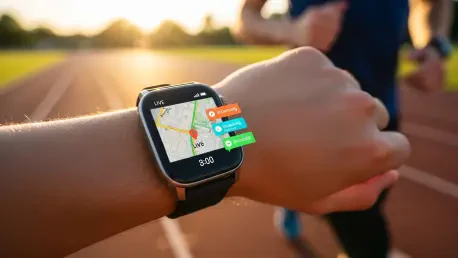
For the endurance sports community, the return of a native messaging client represents a major leap in practical utility during high-intensity training and competition. Athletes such as triathletes, marathon runners, and cross-country cyclists often find themselves in situations where reaching for a smartphone is not only inconvenient but potentially dangerous. The integration of high-fidelity voice messaging allows these users to stay in constant contact with coaches and support teams through simple wrist-based interactions that do not disrupt their physical performance. Furthermore, the ability to access on-demand chat histories means that critical logistics, such as meeting points or race-day instructions, remain accessible even when a phone is tucked away in a hydration pack or left at a base camp. This focus on “active use” ensures that the smartwatch functions as a reliable and rugged partner, providing the necessary data and connectivity to coordinate complex team efforts in environments where traditional mobile access is restricted.
Strategic Outlook: Future-Proofing the Messaging Ecosystem
The expansion of the Telegram Database Library (TDLib) provided the necessary framework for third-party developers to bridge the gap on specialized platforms like Huawei’s proprietary OS. By prioritizing open-source access, the company ensured that the messaging ecosystem remained resilient against hardware fragmentation and accessible to a global audience. Users who adopted these tools discovered that staying connected during high-intensity activities no longer required carrying a phone, as the native watch applications handled complex data streams with ease. This strategic pivot underscored the importance of localized processing power and suggested that future developments would likely focus on biometric-triggered messaging and deeper sensor integration. As the industry moved forward, the focus shifted toward making these wrist-based interactions even more seamless through refined voice-to-text algorithms and AI-driven summary features. Ultimately, the reintroduction of these apps solved the long-standing issue of fragmented communication, setting a new standard for the industry.