
The persistent glow of backlit LCD screens often turns modern living spaces into frantic environments where notifications demand constant attention, yet a new wave of ambient technology is finally prioritizing human focus over sheer visibility. As homeowners grow weary of managing multiple tablets stuck to walls with unsightly mounting brackets, the demand for a more integrated and subtle digital assistant has reached a peak. This shift toward ambient computing suggests that the most effective tools are those that remain nearly invisible until they are explicitly needed, performing their duties without hogging the mental bandwidth of the household. Devices that utilize electronic paper displays offer a compelling alternative to traditional smart displays, providing high contrast and clarity without the intrusive blue light that disrupts sleep cycles or creates glare in a sunlit kitchen. By moving toward specialized, low-energy hardware, the industry is beginning to value the quiet presence of information over the constant noise of general-purpose mobile devices.
Revolutionizing the Household Hub
Minimalist Digital Management: Efficiency without Distraction
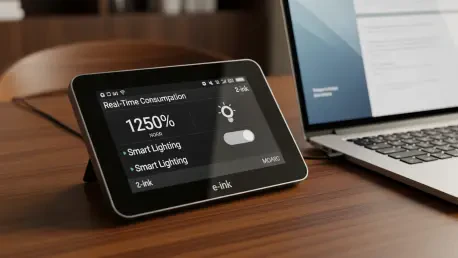
The reTerminal Sticky serves as a 3.4-inch electronic ink touchscreen designed specifically for high-traffic areas where quick information retrieval is essential. Unlike a smartphone that tempts the user with social media or email every time they check a calendar, this device provides a singular, focused experience. It essentially acts as a modern digital bulletin board, allowing families to post reminders or daily schedules that stay visible without consuming large amounts of power. This dedicated approach helps eliminate the “digital fatigue” that comes from interacting with complex, multipurpose operating systems throughout the day.
By situating this compact hub on a refrigerator door or near an entryway, household members can synchronize their activities without the friction of unlocking a phone. The display remains static and readable, mimicking physical notes while offering the benefits of digital synchronization. It provides a central location for the entire family to glance at, ensuring that important household updates do not get buried under a mountain of phone notifications. This purposeful design fosters a sense of order, turning chaotic domestic environments into streamlined spaces where essential data is always available but never intrusive.
Smart Ways to Interact: Bridging Local and Remote Communication
Interaction with this device is designed to be as frictionless as possible, accommodating users whether they are physically present or away from home. When a user is out running errands or working, they can utilize a dedicated mobile application to send text updates or images directly to the screen in real-time. This capability ensures that anyone back at the house receives immediate notification of changes to plans or grocery needs without needing to check their personal phones. The integration between mobile and ambient hardware creates a seamless bridge between different environments and ensures that the digital note remains dynamic.
For those standing directly in front of the device, the physical interaction is equally streamlined thanks to integrated voice-recognition technology. A single button press activates an artificial intelligence assistant that can dictate notes or update lists on the fly. This is particularly useful in a kitchen setting where hands may be busy, allowing a fleeting thought to be captured before it is forgotten. By combining high-tech voice processing with a simple, tactile interface, the device manages to cater to diverse user needs while maintaining its identity as a quiet, unobtrusive companion rather than a demanding centerpiece.
Smart Design Meets Energy Efficiency
Hardware Built for Longevity: Precision Engineering in a Small Package
At the core of the device lies the ESP32-S3 microcontroller, a piece of silicon renowned for its ability to balance processing power with extreme energy efficiency. This chip manages the 3.4-inch e-ink screen, which delivers high-contrast text that is remarkably easy to read from various angles and under different lighting conditions. The choice of electronic paper technology is a deliberate move away from the light-bleeding panels found in most tablets, ensuring that the display looks more like a printed label than an electronic gadget. This creates a more natural integration with home decor, as the device does not emit an artificial glow that clashes with ambient lighting.
Beyond its internal components, the physical construction of the unit focuses on versatility and ease of installation. It features a compact frame that accommodates both magnetic and adhesive mounting systems, making it compatible with everything from stainless steel appliances to painted drywall. This tool-free installation method encourages users to place it in the most logical locations without modifications to their living space. The result is a robust piece of hardware that feels like a permanent fixture of the home rather than a temporary tech accessory, providing a level of reliability that matches its minimalist aesthetic.
Sustainable Power Solutions: Tackling the Cable Clutter Problem
One of the primary obstacles to adopting smart home technology is the constant need for maintenance and charging, but the hardware addresses this through superior power management. Because electronic ink only requires electricity when the image on the screen is updated, the device is capable of operating for approximately one week on a single charge under heavy usage. This efficiency is a massive improvement over traditional tablets, which often require daily charging and lead to a mess of tangled cables. By eliminating the need for a permanent power connection, the device maintains a clean appearance that aligns with the principles of modern minimalist design.
For users who do not require frequent screen updates, a specialized battery saver mode can extend the operational life of the device to several months. This capability is essential for making ambient technology practical for the average consumer who does not want another gadget to babysit. The long battery life ensures that the device is always ready, preventing the scenario where smart tools are abandoned simply because they ran out of power at an inconvenient time. This focus on sustainability proves that smart technology can be both high-functioning and low-maintenance, paving the way for a more reliable ecosystem of home devices.
Customization and Market Impact
The Open-Source Ecosystem: Flexibility through Transparency
The philosophy behind this hardware is rooted in open-source development, which has allowed a vibrant community of enthusiasts to expand its functionality far beyond simple note-taking. Many users have already begun integrating the device with advanced systems like Home Assistant, effectively turning a modest e-paper screen into a sophisticated control panel for entire smart home ecosystems. This flexibility allows for the monitoring of sensor data, the adjustment of lighting, or the tracking of energy consumption, all through the same minimalist interface. Such versatility ensures that the device remains relevant as household needs evolve.
By maintaining an open-source approach, the manufacturers invited a level of customization that is rarely seen in consumer electronics. This allowed tech-savvy users to tailor the interface to their specific workflows, whether that involved displaying real-time weather alerts or connecting to custom inventory management software. The resulting ecosystem was one where the hardware served as a blank canvas for innovation, empowering the user to define what their smart home should look and feel like. This community-driven model ensured that the device could outlast the typical lifecycle of proprietary gadgets by allowing for continuous software improvements.
A Blueprint for Quiet Technology: Prioritizing the Human Experience
The transition to more respectful and quiet hardware demonstrated that users preferred tools that supported their lives without demanding constant attention. It became clear that the value of smart devices was not found in their ability to mimic smartphones, but in their capacity to provide specific utility in a low-friction manner. Homeowners who integrated these systems found that they could maintain a high-tech environment without the usual stress associated with notification overload. To move forward, manufacturers recognized that the focus needed to stay on energy efficiency and interoperability, allowing for a future where digital and physical spaces coexisted.
Adopting open-source hardware was the most effective way to ensure that these tools could grow and adapt to the unique needs of every family, proving that simplicity was the ultimate sophistication in home automation. The success of this ambient approach suggested that the next generation of smart homes would prioritize the human experience over technical complexity. Developers focused on refining the balance between visibility and subtlety, ensuring that the technology remained a helpful assistant rather than a primary distraction. This shift away from intrusive screens marked a new era where technology finally learned to respect the boundaries of the home.