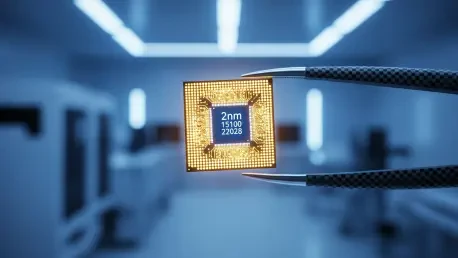

The relentless pace of technological advancement within the consumer electronics sector has reached a pivotal moment as the mobile industry prepares for the arrival of the most sophisticated smartphone architecture seen to date. Recent leaks regarding the iPhone 18 Pro suggest that the upcoming flagship is not merely a refinement of existing concepts but a fundamental overhaul of how hardware and software interact. Supply chain reports indicate that internal engineering teams have successfully navigated the complexities of sub-three-nanometer production, setting the stage for a device that prioritizes extreme efficiency and localized processing power. This shift reflects a broader strategy to move away from cloud dependency toward a truly independent hardware ecosystem that maintains the premium identity of the Pro lineup. As expectations mount, the convergence of high-density transistor counts and revolutionary optical components suggests that the next generation will redefine professional-grade mobile computing. This progression underscores a commitment to longevity and functional elegance in an increasingly competitive global market.
Display Engineering: The Path Toward a Seamless Interface
The evolution of the display interface has long been a primary focus for designers seeking to eliminate visual interruptions while maintaining essential biometric security features. For the upcoming model, industry analysts point toward a significant reduction in the footprint of the Dynamic Island, achieved by transitioning critical Face ID sensors beneath the active OLED layer. This engineering milestone involves the use of specialized transparent materials that allow infrared light to penetrate the display without distorting the pixel array or compromising the accuracy of facial recognition. By relocating these components, the manufacturer aims to provide a more expansive viewing area that feels continuous and unobstructed during media consumption. While the front-facing camera lens remains visible to ensure optimal light intake for photography, the surrounding sensor suite becomes virtually invisible to the naked eye. This transition represents a sophisticated balance between aesthetic minimalism and the rigorous security standards that modern smartphone users have come to expect.
Beyond the immediate visual benefits, the move toward an under-display sensor architecture signals a fundamental shift in how hardware components are integrated into the modern chassis. Engineers have had to overcome significant hurdles regarding light diffusion and signal interference when placing sensitive electronic emitters behind a light-emitting diode panel. The solution involves a precise synchronization between the display refresh cycle and the sensor activation periods, ensuring that the hardware remains functional without degrading the screen quality. This pursuit of a seamless interface is not merely about style; it is about creating a more immersive environment for professional applications and high-fidelity gaming. As the industry moves closer to a completely borderless front panel, these refinements serve as the bridge to a future where the distinction between the screen and the frame disappears entirely. Users can anticipate a device that feels more like a window into their digital world, characterized by a refined balance of functional utility and a distraction-free user interface.
Silicon Evolution: Redefining Performance With 2nm Architecture
At the heart of this upcoming technological leap is the introduction of the A20 Pro chip, which is widely expected to be the first mass-produced processor utilizing a two-nanometer manufacturing process. This transition from previous three-nanometer nodes represents a massive achievement in semiconductor physics, allowing for a significantly higher density of transistors within the same physical space. By shrinking these components, engineers can achieve substantial gains in processing speed while simultaneously reducing the amount of energy required to perform complex calculations. This shift is critical for maintaining performance leads in a landscape where software requirements are becoming increasingly demanding due to advanced computational tasks. The higher efficiency of the 2nm architecture also contributes to better thermal management, preventing the device from throttling performance during sustained heavy workloads. This ensures that the smartphone can handle professional-grade video editing, complex 3D rendering, and real-time data analysis with unprecedented fluidity and sustained power.
The move to advanced silicon is also heavily driven by the need to support the next generation of Apple Intelligence features directly on the device. By performing machine learning tasks locally on the 2nm chip, the smartphone provides enhanced privacy and faster response times, as data does not need to be transmitted to remote servers for processing. This hardware-centric approach to artificial intelligence allows for more sophisticated natural language processing, predictive text capabilities, and automated image enhancement without compromising battery life. Furthermore, the increased bandwidth provided by this new architecture enables more seamless multitasking between resource-intensive applications. As users increasingly rely on their mobile devices for complex daily tasks, the A20 Pro serves as a stable foundation that can handle the evolving needs of the modern digital ecosystem. The focus on local processing power reflects a broader industry trend toward data sovereignty and user-centric security, ensuring that the high-performance capabilities of the device are matched by a commitment to protecting individual user privacy.
Optical Innovation: The Future of Professional Mobile Photography
Significant advancements in the imaging department are poised to elevate mobile photography to a level previously reserved for dedicated professional cameras. Leaks suggest the inclusion of a variable aperture system for the primary lens, a hardware feature that allows the camera to physically adjust how much light reaches the sensor based on environmental conditions. This mechanical capability provides users with greater control over depth of field and exposure, enabling a more natural bokeh effect in portraiture and improved clarity in low-light scenarios. Unlike software-based blur effects that can sometimes appear artificial, a physical aperture adjustment mimics the behavior of high-end DSLR lenses, resulting in superior image quality and professional-grade results. This upgrade is particularly beneficial for creators who require consistent performance across a wide range of lighting environments, from bright outdoor settings to dimly lit indoor venues. By prioritizing hardware-led innovations over digital processing alone, the manufacturer ensures that the resulting photographs maintain a level of detail and authenticity that is difficult to replicate through filters.
Complementing the internal hardware shifts is a renewed focus on the physical identity of the device, with reports highlighting a striking new color option known as Dark Cherry. This deep, sophisticated hue is designed to pair with the resilient titanium frame, offering a luxurious aesthetic that distinguishes the Pro model from its predecessors. The choice of a dark, wine-colored finish reflects a move toward more mature and understated design palettes that appeal to professionals seeking a blend of elegance and durability. This color strategy is often used to signal a new generation of hardware, providing a visual cue for the significant internal upgrades found within the device. Beyond the new color, the chassis is expected to maintain its high-grade material composition, ensuring that the phone remains lightweight yet resistant to daily wear and tear. This attention to detail in both the internal optics and the external finish highlights a holistic approach to design where performance and style are inextricably linked. The result is a smartphone that looks as powerful as it performs, catering to users who value both substance and sophisticated visual presentation.
Internal Systems: Vertical Integration and Connectivity Standards
A major milestone in the journey toward complete hardware independence is the rumored debut of a proprietary 5G modem, currently referred to in industry circles as the C2 chip. By designing its own connectivity hardware, the company can achieve a level of optimization that was previously impossible when relying on third-party components from external suppliers. This in-house modem is expected to significantly reduce power consumption during cellular data transmission, which has traditionally been one of the most significant drains on smartphone battery life. Furthermore, direct control over the modem architecture allows for tighter integration with the main processor, resulting in faster signal acquisition and more stable connections in areas with poor coverage. This move toward vertical integration not only streamlines the production process but also allows for a more tailored user experience where connectivity is seamless and energy-efficient. As mobile networks continue to evolve, having a custom-designed modem ensures that the device can take full advantage of the latest infrastructure developments without being limited by the constraints of generic hardware.
In addition to cellular improvements, the upcoming model is expected to broaden the scope of satellite communication features beyond emergency services. Industry data suggests that the hardware will support more robust messaging and data transfer capabilities in remote areas, providing a reliable safety net for travelers and professionals working in isolated locations. This expansion of satellite connectivity reflects a commitment to global accessibility and safety, ensuring that users can remain connected regardless of traditional network availability. The integration of these features requires specialized antennas and advanced signal processing, both of which are facilitated by the new internal hardware architecture. By offering these capabilities, the device positions itself as a versatile tool for communication in the modern world, where the boundaries of connectivity are constantly being pushed. This focus on reliability and advanced networking highlights the strategic importance of the device as more than just a media player, but as a critical communication hub. The ability to maintain high-performance standards across diverse networking environments is a key differentiator for the upcoming flagship model.
Hardware Lifecycle: Strategic Considerations for the Next Cycle
The development of the iPhone 18 Pro represented a significant shift in the strategic direction of mobile technology, focusing on the convergence of local intelligence and hardware self-sufficiency. Engineers successfully integrated the world’s first 2nm processor, which provided the necessary computational foundation for advanced on-device features. This move effectively minimized the reliance on cloud-based processing and established a new standard for user privacy and performance efficiency. The introduction of the variable aperture lens and the refined sensor suite underneath the display transformed the user interface and photography experience into something far more immersive and professional. Furthermore, the deployment of an in-house modem ensured that connectivity was no longer a bottleneck but a seamless part of the ecosystem. These advancements collectively addressed the growing demands for longer battery life, superior imaging, and more robust communication tools. By prioritizing internal engineering leaps over superficial changes, the manufacturer solidified its position at the top of the premium smartphone market.
For those who navigated the transition to this new hardware cycle, the decision to upgrade often rested on the need for a device that could handle the increasing complexity of professional mobile workflows. Users who required consistent performance for high-resolution video capture or intensive multitasking found that the 2nm architecture provided a noticeable improvement over previous iterations. It became advisable for owners of older devices to evaluate their current performance benchmarks and consider the long-term benefits of moving to a more efficient silicon platform. Many individuals opted to utilize trade-in programs to mitigate the cost of the new technology while securing a device that offered significantly better longevity. The strategic emphasis on localized processing and physical camera hardware provided a clear roadmap for how mobile technology should evolve to meet the needs of a sophisticated user base. Looking ahead, the focus remained on maintaining these hardware standards to ensure that future software updates would continue to run smoothly. This approach encouraged a more sustainable upgrade cycle by providing a device built for the long-term demands of the modern digital landscape.