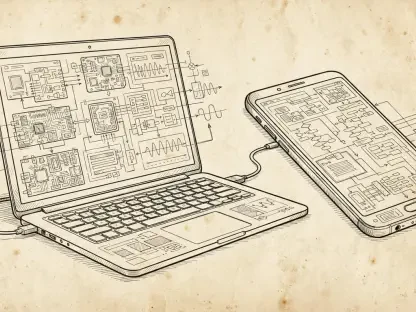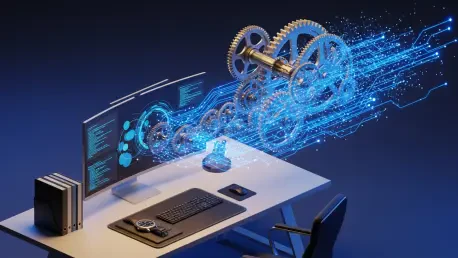

The rapid evolution of silicon-based wearables has paradoxically fueled a renaissance in centuries-old technology, leading those who once obsessed over gigahertz and pixel density to find a new sense of wonder in the rhythmic ticking of a mechanical escapement. For over a decade, the standard for a high-tech lifestyle was defined by how many sensors could be packed into a glass-and-aluminum housing, effectively turning the wrist into a secondary notification hub for a smartphone. However, a growing segment of the developer and engineering community is choosing to swap their smartwatches for analog counterparts, realizing that the “tech” in mechanical watches is simply a different form of high-performance hardware. This migration represents a pivot toward objects that do not require firmware updates or a constant connection to the cloud to function. By stripping away the screen, these individuals are discovering a dense, functional complexity that rivals the internal architecture of a modern CPU, albeit expressed through physics. Both worlds celebrate intricate engineering and the maximization of utility within extremely tight physical constraints.
The Linguistic Bridge Between Digital and Analog
One of the most notable catalysts for this movement was the unintentional education provided by major consumer electronics companies when they entered the wearable market. Apple, specifically, acted as a primary gateway for traditional horology by integrating industry-standard terminology into its digital operating systems. Users who grew accustomed to selecting “faces” or customizing complications on their digital screens inadvertently learned the foundational language of the watchmaker. In a traditional context, a complication refers to any function beyond the basic display of hours, minutes, and seconds, such as a date window or a moon phase indicator. By using these exact terms to describe software widgets, tech companies created an intuitive mental bridge that allowed users to transition from digital environments to physical ones with ease. This shared vocabulary removed the initial barrier to entry, making the world of luxury watches feel familiar rather than exclusionary to the modern user.
Beyond simple terminology, the psychological appeal lies in the tactile nature of analog data representation, which provides a welcome break from the ephemeral nature of software. A tech enthusiast who appreciates the elegance of a well-written line of code can find similar satisfaction in the architecture of a Swiss or Japanese movement. The physical interaction of winding a crown or watching a sweeping second hand provides a tangible connection to the passage of time that a digital display often lacks. This transition is frequently sparked by the realization that the same intellectual curiosity applied to exploring a new operating system can be directed toward understanding a mainspring. For those whose professional lives are dominated by virtual interfaces, the presence of a purely mechanical device on the wrist serves as a grounding influence. It emphasizes that complexity does not always require electricity, and utility can be achieved through the clever manipulation of physical forces and kinetic energy.
Engineering Logic and Physical Performance Metrics
While a mechanical watch cannot process emails or stream audio, it provides a surprising amount of analog data that satisfies the engineering-focused mind through physical logic. Complications such as chronographs allow for the tracking of elapsed time with the push of a mechanical button, while perpetual calendars manage the irregularities of the Gregorian calendar without needing a software update. These features represent a form of “hard-coded” physical programming where every gear tooth is calculated to interact perfectly with its neighbor. For an observer accustomed to the invisible operations of a microchip, seeing these functions performed by visible, interlocking parts is deeply satisfying. Even the simplest date wheel or power reserve indicator functions as a specialized sensor, translating the tension of a metal coil into readable information. This level of utility, achieved entirely through metallurgy and mechanical engineering, highlights a form of longevity and independence that modern electronics simply cannot match.
The fascination with mechanical watches often extends to the “engines” that drive them, offering a physical perspective on power and accuracy that contrasts with the digital world. Unlike smartwatches that sync with atomic clocks via satellite, mechanical movements possess a human quality defined by slight deviations and physical personality. High-end calibers allow for a few seconds of daily drift, a concept that tech enthusiasts find intriguing rather than frustrating because it reflects the watch’s internal environment. The choice between a manual-wind movement, where the user provides the energy, and an automatic caliber, which harvests kinetic energy from the wearer’s wrist, presents a unique study in energy conservation. This reliance on physics over lithium-ion batteries is a refreshing change for those tired of the daily charging cycle. Understanding how a rotor spins to tighten a mainspring through a series of reduction gears provides a visceral lesson in thermodynamics that remains hidden inside modern gadgets.
Strategic Integration and the Startup Culture of Watches
The growth of this hobby has been significantly accelerated by a thriving micro brand culture that closely mirrors the dynamic energy of the tech startup ecosystem. Independent companies are currently disrupting the traditional horological market by leveraging global supply chains to offer high-quality designs at accessible prices. These brands often operate with lean teams, focusing on direct-to-consumer sales and community feedback, which resonates with individuals who follow early-stage technology companies. By utilizing reliable third-party movements from manufacturers like Seiko or Miyota, these micro-brands provide a platform for innovation in materials and aesthetics without the gatekeeping of heritage luxury houses. This accessibility allows newcomers to experiment with various styles, from rugged dive watches to minimalist field watches, for the price of a mid-range smartphone. For a collector, this landscape of niche innovation offers a sense of discovery that is increasingly rare in the consolidated world of major tech conglomerates.
The shift toward traditional horology offered a strategic path for those seeking to balance their digital habits with tangible, enduring craftsmanship. Successful enthusiasts often began their journey by identifying a specific complication that mirrored their professional needs, such as a GMT function for tracking multiple time zones during remote collaboration. They prioritized the acquisition of watches with transparent case backs, as this provided a clear view of the hardware they were operating. By researching the technical specifications of different calibers, individuals were able to make informed decisions that favored mechanical longevity over seasonal trends. This approach ensured that the devices they chose remained functional for decades, rather than becoming obsolete after a few software cycles. Ultimately, the integration of mechanical watches into a high-tech lifestyle proved that appreciating the past was a vital component of navigating the future. It provided a framework for valuing devices based on their inherent engineering rather than their connectivity.