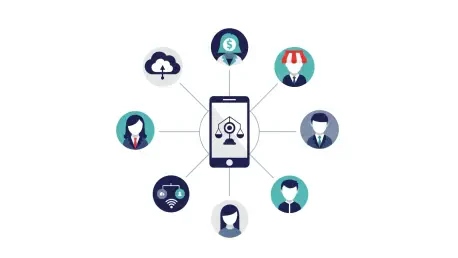

The rapid evolution of mobile operating systems has reached a critical juncture where the seamless integration of artificial intelligence is no longer a luxury but a fundamental requirement for modern digital life. As these large language models and autonomous agents become the primary interface for everything from communication to commerce, the power dynamics between platform owners and third-party developers have come under intense scrutiny by international regulators. The European Union, a historical leader in tech oversight, is now intensifying its efforts to ensure that the Android ecosystem does not become a closed fortress for Google’s proprietary AI technologies. This regulatory push is driven by the belief that without intervention, the sheer scale of the Android install base would provide an insurmountable advantage for Google’s Gemini, effectively sidelining innovative rivals before they can even compete. Consequently, the conversation has shifted from simple app-store fees to the foundational access required for an AI to truly inhabit a mobile device.
Regulatory Frameworks and Platform Neutrality
Implementing the Digital Markets Act: Ensuring Fair Competition
Under the current enforcement of the Digital Markets Act, the classification of generative AI as a core platform service has forced a significant re-evaluation of how system-level permissions are distributed across the Android architecture. Regulators have argued that for a truly competitive marketplace to exist, third-party AI developers must have the same on-device status that Google affords to its own integrated solutions, specifically regarding access to hardware accelerators and user context. This means that if a user prefers an alternative like OpenAI’s latest model or a specialized European assistant, the operating system must facilitate that choice without imposing artificial performance bottlenecks or complex setup hurdles. The mandate essentially requires Google to decouple its AI services from the underlying OS, creating a neutral playground where the best model wins based on utility rather than pre-installation. Such a shift challenges the traditional business model of vertical integration that has defined the mobile industry for years.
Technical implementation remains one of the most contentious aspects of this transition, as Google must now design standardized application programming interfaces that allow external models to hook into system-wide functions like notifications and file management. Providing this level of deep integration for rivals carries inherent risks regarding data privacy and system stability, which Google has frequently cited as a primary concern when resisting these sweeping mandates. However, the European Commission has remained firm, suggesting that the security excuse cannot be used to maintain a monopoly over the emerging AI agent layer that now dictates how users interact with their digital environments. To comply, engineers have had to develop a new orchestration layer within Android that acts as a secure intermediary, ensuring that while third-party models can perform complex tasks, they do so within a framework that protects the integrity of the user’s personal information. This balance between openness and security has become the defining technical challenge for mobile developers today.
Strategic Responses: Adapting to the Open Ecosystem
Stakeholders across the industry recognized that the transition toward an open AI ecosystem required proactive engagement with both technical standards and regulatory bodies to ensure a stable rollout for all users. Developers began prioritizing the creation of modular AI components that could easily integrate into the newly mandated orchestration layers, rather than building isolated silos that limited cross-platform functionality. Hardware manufacturers also took steps to ensure their silicon could handle concurrent loads from multiple competing models without compromising battery life or thermal efficiency. It became clear that success in this new era depended on a commitment to transparency regarding how data was shared between the operating system and various third-party agents. By fostering an environment of mutual cooperation, the industry moved toward a future where user agency was the primary driver of innovation. Organizations that embraced these shifts early on found themselves better positioned to thrive in a more neutral and competitive global digital economy.