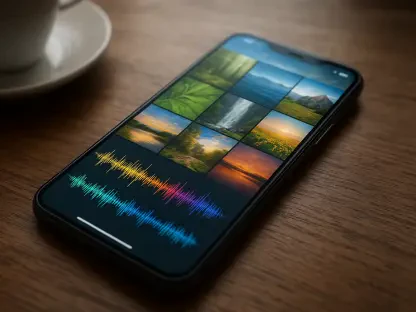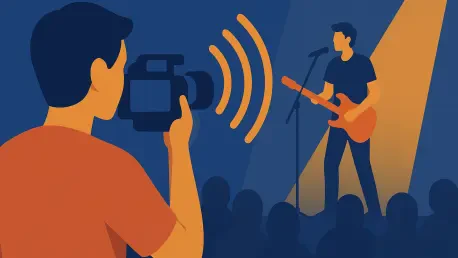

Enabling Audio Zoom ensures that as the camera focuses on a speaker or a performer, the system systematically suppresses distracting noises from the surrounding periphery of the frame. In the current landscape of mobile cinematography, capturing professional-grade visuals has become accessible, yet the auditory component frequently lags behind, potentially undermining the overall impact of high-resolution footage. While users often obsess over megapixel counts and optical stabilization, the clarity of the soundscape remains the defining factor between an amateur clip and a polished production. Advanced algorithms now bridge this gap by utilizing the microphone array located across the device to create a directional listening experience that mirrors the visual composition. By prioritizing the sound source within the active camera field, the technology allows for an intimate recording that preserves the nuances of human speech while filtering out the chaotic hum of urban environments or the interference caused by wind.
1. The Engineering: Beamforming and Acoustic Triangulation
The functional core of this feature relies on a sophisticated technique known as beamforming, which leverages multiple microphones positioned at various points on the hardware. Unlike traditional recording methods that capture audio in an omnidirectional pattern, the computational system analyzes the time-of-arrival differences of sound waves at each individual sensor. By processing these micro-delays, the device can mathematically triangulate the origin of a sound and digitally enhance signals coming from a specific direction while phase-canceling those originating from the sides or rear. This ensures that when a user records a subject at a distance, the sensitivity of the microphones dynamically shifts to prioritize the frequency range associated with that specific subject. This digital isolation is effective in noisy environments where ambient chatter or traffic would otherwise drown out the primary speaker. Modern iterations have seen significant refinement from 2026 to 2028.
A significant aspect of this innovation is the seamless integration between the optical zoom level and the auditory gain. When the user manipulates the slider on the screen to move from a wide-angle view to a telephoto close-up, the software simultaneously narrows the audio pickup pattern. This synchronization ensures that the auditory perspective remains consistent with the visual proximity, creating a cohesive sensory experience for the viewer. If the camera is capturing a broad landscape, the microphones revert to a wide stereo field to capture the environmental ambiance, providing a sense of scale and place. However, as the frame tightens on a specific detail, the system aggressively attenuates peripheral sounds to ensure the central audio source is clear and prominent. This prevents the “disconnected” feeling that often occurs when a close-up visual is accompanied by distant-sounding audio. Maintaining this balance requires massive real-time processing power found in mobile chipsets.
2. Strategic Utilization: Optimizing Audio for Diverse Environments
While the benefits of specialized audio capture are substantial, manual control remains vital for creators who require specific stylistic outcomes. To adjust these settings, users must navigate through the system configuration menu under the specialized recording section, as these options are not typically toggled within the primary camera interface. It is essential to ensure that stereo recording is active, as the directional isolation logic cannot function effectively within a mono-audio stream. For situations such as a loud musical performance or a bustling stadium event, disabling the feature might actually be preferable if the goal is to document the raw energy and atmosphere of the entire venue. Furthermore, the introduction of advanced wind noise reduction and spatial audio modes provides additional layers of polish, allowing for the isolation of human voices even in challenging outdoor climates. Understanding when to utilize these tools allows for a high degree of creative agency in production.
The evolution of high-fidelity mobile audio paved the way for more immersive storytelling where sound quality finally matched visual excellence. By implementing intelligent directional recording, the technology addressed the persistent challenge of capturing clear dialogue without the need for cumbersome external hardware. It was discovered that users who actively managed their acoustic settings achieved significantly higher engagement rates, as clarity in communication remained a top priority for audiences. Moving forward, the integration of generative sound cleaning and more precise spatial mapping suggested a future where mobile devices functioned as full-fledged studio setups. Professionals realized that the key to success involved a deep understanding of how to balance environmental noise with subject isolation. Consequently, creators adopted more rigorous testing protocols to determine the optimal balance for various filming conditions. This shift toward manual precision empowered a new generation to produce cinematic content.