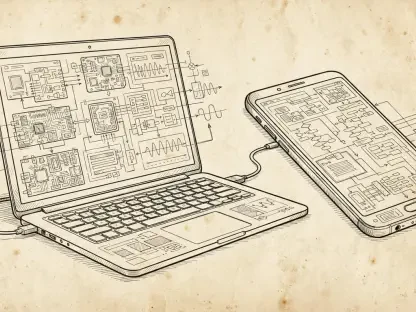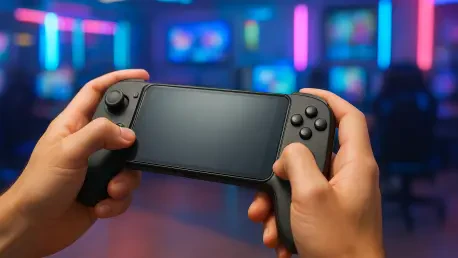

Beyond cooling and connectivity, the GT NX Station includes a 3.5mm audio jack for zero-latency sound and a microSD card slot to expand the storage capacity of the connected phone. This development arrived at a critical juncture in 2026, as the mobile gaming landscape pivoted from casual entertainment to a highly competitive arena demanding sophisticated hardware support. As mobile titles began to push the graphical and processing boundaries of modern handsets, players frequently wrestled with the physical constraints of traditional smartphone designs, such as extreme thermal output and imprecise touchscreen inputs. Infinix recognized this friction and introduced the GT NX Controller and GT NX Station as a unified solution to bridge the gap between handheld portability and professional desktop environments. By integrating control, cooling, and high-speed data transfer into a single hardware suite, the manufacturer successfully repositioned the smartphone as a core component of a high-performance gaming ecosystem.
Engineering Precision: The GT NX Controller
The GT NX Controller stood out by introducing the world’s first Pixel-Level FPS Precision Touchpad, a feature specifically engineered to handle the nuanced demands of competitive first-person shooters. While standard analog sticks often lacked the fine motor control required for precise, long-distance aiming, this glass-surface touchpad offered a level of sensitivity that mimicked high-end gaming mice. This technological leap allowed mobile players to execute microscopic adjustments during high-stakes firefights, providing a clear advantage over those relying on standard touch-screen gestures. The implementation of a glass surface ensured a consistent gliding experience, reducing friction and preventing the erratic movement often caused by moisture or fingerprints. This hardware choice signaled a shift toward professionalizing the input methods available to mobile gamers, ensuring that physical skill was no longer limited by the hardware interface of a glass screen.
Beneath the ergonomic exterior, the controller utilized an esports-grade three-chip architecture designed to ensure that every button press was registered with lightning-fast speed. By dedicating dual chips to the left handle and a specific processor to the right, Infinix effectively eliminated the input lag that has historically plagued third-party Bluetooth peripherals. This low-latency framework proved essential for modern esports titles where a delay of even a few milliseconds could result in a lost match. To complement this internal speed, the device featured a massive battery life exceeding 22 hours of continuous gameplay, catering to the needs of marathon sessions and professional tournaments. This combination of processing power and endurance transformed the mobile peripheral from a simple accessory into a reliable tool for high-level competition, reflecting a broader industry trend toward robust and dedicated hardware for the growing mobile gaming audience.
Tactile Immersion: Advanced Haptic Feedback
Beyond raw input speed, the GT NX Controller significantly enhanced the sensory experience through advanced tactical haptics that provided information far beyond simple vibration. Integrated with the proprietary XArena software, these haptics allowed players to customize the intensity of physical feedback or utilize specialized mapping modes that translated virtual events into tactile cues. For instance, the controller could provide a distinct, rhythmic pulse when a player entered a shrinking “safe zone” in a battle royale game, allowing the user to stay informed without needing to focus on specific UI elements. This haptic synchronization added a new layer of depth to the gameplay, where sound and visuals were supplemented by physical alerts that helped maintain situational awareness. Such features demonstrated how hardware could be used to reduce the cognitive load on players, letting them focus on strategy while the controller handled environmental status updates.
The ergonomic design of the GT NX Controller complemented these internal features by ensuring that long-term comfort was never sacrificed for the sake of advanced technology. Featuring laser-textured grips and a carefully sculpted chassis, the device provided a secure hold that prevented slipping during the most intense and perspiration-inducing gaming sessions. This focus on physical build quality addressed the fatigue often associated with holding a flat smartphone for hours, repositioning the mobile gaming experience to feel more like using a dedicated console gamepad. By focusing on the tactile relationship between the player and the device, Infinix aimed to create a more immersive and professional atmosphere for mobile esports. The physical presence of the controller, combined with its high-resolution haptic feedback, helped bridge the sensory gap between traditional gaming platforms and mobile devices, making the transition between different gaming modes feel seamless.
Thermal Management: The GT NX Station Solution
Even the most powerful smartphones in 2026 faced the persistent challenge of thermal throttling, where processors automatically slowed down to prevent heat-related damage during intensive use. The GT NX Station addressed this industry-wide problem by integrating an advanced Thermoelectric Cooling (TEC) system directly into its 9-in-1 expansion dock. This active cooling solution worked by drawing heat away from the smartphone’s chassis, allowing the internal components to maintain peak clock speeds indefinitely. For gamers running graphically demanding titles at maximum settings, this meant consistent frame rates and the total elimination of the stuttering caused by heat buildup. By stabilizing the thermal environment of the phone, the GT NX Station ensured that the device performed at its maximum potential during professional matches or long streaming sessions, effectively turning a portable phone into a high-powered, stable gaming station for competitive use.
In addition to its cooling capabilities, the GT NX Station served as a comprehensive connectivity bridge that expanded the functionality of a mobile device to match a desktop environment. It featured a high-definition HDMI port for external monitor output and a dedicated RJ45 Ethernet port that provided the stable, wired internet connection necessary for competitive online play. This wired setup removed the packet loss and latency spikes frequently encountered on standard Wi-Fi networks, ensuring a smooth and uninterrupted connection to game servers. Multiple USB ports also allowed for the connection of peripherals like external keyboards, mice, and storage drives, while the inclusion of pass-through power delivery kept the phone charged during long sessions. This hub effectively transformed the smartphone into the brain of a multi-component gaming rig, offering the versatility needed for content creation, professional streaming, and high-level esports training.
Unified Synergy: The Mobile-to-Desktop Transition
The synergy between the controller and the docking station became most apparent when players transitioned from handheld play to a large-screen monitor setup. Users could choose between Mirror Mode, which projected the phone’s interface exactly as it appeared, or the more sophisticated Extend Mode available on devices running XOS 16.3 or higher. Extend Mode allowed the game to render on an external display while the phone’s own screen remained free to act as a secondary window for multitasking. This enabled players to check guides, monitor live stream chats, or manage messages without ever minimizing the game or interrupting the action on the main screen. This dual-screen functionality provided a level of utility previously reserved for high-end PCs, demonstrating how modern mobile operating systems were evolving to support complex, multi-layered workflows that went far beyond the simple requirements of traditional handheld gaming applications.
The release of the GT NX series established a new benchmark for how manufacturers integrated performance hardware with the mobile software ecosystem. Industry experts analyzed the shift and concluded that providing a unified solution for cooling, control, and connectivity solved the primary bottlenecks that had previously hindered professional mobile gaming. Players who adopted these tools found that the transition from casual play to a competitive desk setup became more accessible and cost-effective than ever before. This hardware suite encouraged developers to push the limits of mobile software, knowing that users possessed the thermal and input capabilities to handle more complex game designs. Ultimately, the industry moved toward a more integrated future where the distinction between mobile and desktop gaming became increasingly blurred. Stakeholders recommended that future hardware designs focus on this type of modularity to accommodate the diverse needs of the modern global gaming community.