
The arrival of a standardized operating system for augmented reality marks the definitive end of the experimental era for wearable technology, as major industry players finally consolidate their efforts. With the official introduction of Project Aura, a collaborative endeavor between XREAL and Google, the promise of a unified spatial ecosystem has moved from a conceptual vision to a tangible reality available to consumers. This device serves as the primary hardware vessel for the debut of Android XR, a specialized version of the ubiquitous mobile operating system designed specifically for the unique demands of head-worn displays. By integrating the vast library of Google Play applications within a spatial environment, the platform effectively eliminates the software isolation that previously plagued the high-end glasses market. The significance of this launch extends beyond mere hardware specifications; it represents a strategic shift toward an AI-driven, immersive interface that seeks to replace the smartphone screen as the primary portal for digital interaction and daily productivity.
The Integration of Android XR into Daily Life
Bridging the Gap: Mobile and Spatial Computing
Transitioning from a smartphone-centric workflow to a hands-free environment requires more than just high-resolution displays; it demands a familiar and robust software architecture that users already trust. Project Aura addresses this necessity by leveraging the Android XR framework, allowing users to access their favorite productivity tools and social media applications without the need for bespoke developer ports. This integration ensures that the learning curve for new users is significantly reduced, as the interaction models draw heavily from existing mobile paradigms while adding depth and spatial awareness. The presence of Google Gemini within the core operating system provides a proactive layer of intelligence, capable of analyzing the user’s environment and offering context-aware suggestions in real time. This move signals a departure from closed, proprietary systems that have historically limited the growth of the wearable market by creating walled gardens. Instead, the focus has shifted toward an open and interconnected ecosystem.
The practical utility of these glasses is further enhanced by specialized content experiences that utilize the unique strengths of spatial computing to redefine traditional media consumption. For example, the immersive version of Google Maps transforms simple navigation into a guided exploration where directions are projected directly onto the physical environment, reducing the cognitive load on the pedestrian or traveler. Support for 180 and 360-degree YouTube video content allows users to experience cinematic media with a sense of presence that a flat screen simply cannot replicate. To bridge the gap between existing content and this new medium, the system employs a sophisticated process known as autospatialization, which is managed by the proprietary X1S spatial computing chip. This technology allows standard two-dimensional images and videos to be converted into three-dimensional assets on the fly, ensuring that the device remains useful even when interacting with legacy digital content and traditional applications.
Enhancing Productivity: Intelligent Interfaces
Beyond simple visual overlays, the integration of advanced artificial intelligence serves as the backbone for the next generation of user interaction within the Android XR environment. Google Gemini operates as a sophisticated digital assistant that can interpret complex voice commands and visual cues to perform tasks that previously required multiple manual steps. Whether it involves summarizing a document displayed in a floating window or providing real-time translations during a face-to-face conversation, the AI functionality is designed to be unobtrusive yet powerful. The synergy between the hardware sensors and the cloud-based intelligence allows for a level of environmental understanding that was previously impossible in portable devices. Users can interact with their digital space using intuitive hand gestures or voice inputs, making the physical hardware feel like a natural extension of their own perception rather than a cumbersome accessory that requires constant manual adjustment or external controllers.
The gaming sector stands to gain significantly from the launch of Project Aura, as the device provides a platform for developers to create experiences that blend the digital and physical realms with high precision. By utilizing the Snapdragon XR chipset located in the external compute puck, the system delivers the graphical fidelity required for modern gaming without the thermal constraints found in standalone glasses. This architecture allows for more complex physics engines and detailed textures to be rendered, providing a level of immersion that rivals traditional home consoles but with the added benefit of mobility. The ability to anchor virtual game boards or character interactions to physical furniture creates a unique play environment that evolves based on the user’s surroundings. Furthermore, the inclusion of spatial audio ensures that sound cues are accurately placed within the three-dimensional environment, further blurring the lines between reality and simulation for all users.
The Engineering Behind Wearable Augmented Reality
Balancing Act: High Performance and Lightweight Design
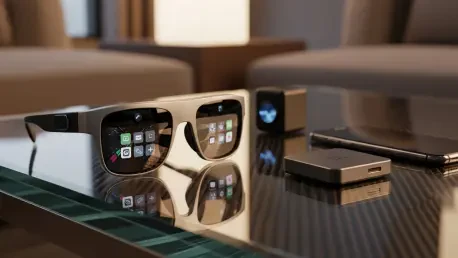
Designing a pair of augmented reality glasses that can be worn for extended periods requires a meticulous balance between processing power and ergonomic comfort. To achieve this, Project Aura utilizes a split-compute architecture that separates the heavy processing components from the lightweight frames worn on the face. The glasses are tethered to a dedicated compute puck, which houses the Qualcomm Snapdragon XR chipset and the high-capacity battery required for sustained use. This configuration allows the eyewear to remain slim and stylish, avoiding the bulkiness typically associated with high-performance mixed-reality headsets. By offloading the heat generation and weight of the battery to an external unit, the designers have addressed two of the most significant barriers to consumer adoption: physical fatigue and thermal discomfort. This approach ensures that the device can handle intensive spatial tracking and high-resolution rendering while maintaining a weight distribution that is comfortable for long wear.
The visual experience delivered by Project Aura is centered around a birdbath-style optical system that provides a field of view exceeding 70 degrees, offering a wide canvas for digital overlays and spatial windows. This optical design is paired with electronically adjustable dimming lenses, which allow the system to compensate for various lighting conditions by darkening the glass when the external environment is too bright. This feature is crucial for maintaining the contrast and clarity of the augmented elements, ensuring that digital text remains legible even in direct sunlight. The high pixel density of the displays ensures that images are sharp and free from the screen-door effect that plagued earlier generations of head-mounted displays. By focusing on proven optical methods rather than unproven experimental technologies, XREAL has created a reliable and high-quality visual platform that meets the expectations of modern consumers who demand consistent performance across diverse lighting environments.
Market Trajectory: Shaping the Future of XR
The release of this hardware occurs within a rapidly evolving marketplace where several major technology firms are vying for dominance in the spatial computing sector. While other companies have opted for larger mixed-reality headsets that prioritize total immersion, the focus of Project Aura remains firmly on the glasses-first form factor. This distinction is vital for attracting users who desire the benefits of augmented reality without the social barriers created by bulky, face-obscuring hardware. As various brands explore the integration of smart features into fashionable frames, the industry is seeing a clear trend toward the miniaturization of sensors and the optimization of power consumption. The adoption of Android XR as a common platform across different manufacturers suggests that the market is moving toward a period of standardization, similar to the early days of the smartphone industry. This shift will likely lead to increased innovation as developers create software that runs across a multitude of hardware.
Stakeholders and early adopters who followed the development of this platform recognized that the success of spatial computing depended heavily on the availability of a unified software ecosystem. The strategic alliance between hardware innovators and software giants successfully established a foundation for growth by prioritizing interoperability and user familiarity. Looking ahead, enterprises should have evaluated how these immersive tools could be integrated into their existing digital workflows to capitalize on enhanced productivity and real-time data visualization. Developers were encouraged to begin transitioning their mobile applications into spatial environments to reach the expanding user base that prioritized hands-free interaction. The industry moved toward a more refined era of wearable tech where the focus shifted from technical feasibility to the practical application of AI-driven insights in daily life. Those who invested in understanding the nuances of the platform early were better positioned to navigate the complexities of this computing paradigm.