
The official sepsis modern service framework emphasizes the necessity of bridging the gap between hospital-level monitoring and recovery at home through innovation. In 2026, the medical community continues to confront the silent threat of sepsis, a condition where the immune system overreacts to an infection, potentially leading to organ failure or death if not identified within a narrow clinical window. Traditionally, the identification of sepsis relied on periodic manual checks by nursing staff within a hospital setting, which sometimes allowed the condition to progress unnoticed between observations. By integrating sophisticated wearable technology into standard care pathways, healthcare providers now possess the capability to maintain a constant, high-fidelity stream of physiological data. This transition from reactive to proactive monitoring represents a fundamental shift in the treatment of vulnerable patients, ensuring that the earliest physiological shifts associated with systemic inflammation are flagged long before they manifest as a life-threatening crisis.
Digital Transformation: Precision Monitoring in Modern Healthcare
Hardware Innovation: Medical Grade Biosensors and Physiological Tracking
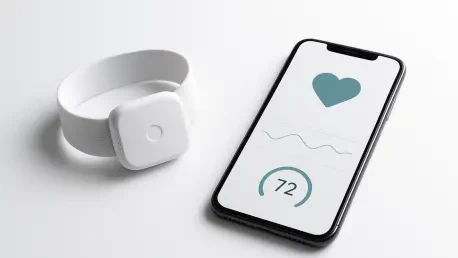
The deployment of medical-grade biosensors marks a significant departure from consumer-grade fitness trackers, offering the precision required for critical diagnostic decisions. These devices, often worn as discreet adhesive patches or sleek armbands, are equipped with multiple sensors capable of tracking heart rate, respiratory rate, and peripheral oxygen saturation with near-clinical accuracy. Unlike intermittent manual readings, these wearables provide continuous longitudinal data, capturing the subtle fluctuations in vital signs that frequently precede the onset of septic shock. In 2026, these tools have become increasingly unobtrusive, utilizing advanced skin-friendly materials that ensure patient comfort during extended monitoring periods. The high-frequency sampling rates allow for the detection of micro-trends in physiological stability, such as a slight but consistent increase in resting heart rate paired with a dip in oxygen levels, which might otherwise be dismissed as insignificant.
Central to the success of this technological integration is the automated synchronization of wearable data with the National Early Warning Score (NEWS2) system, which quantifies the severity of a patient’s illness. By feeding live vitals into specialized software, the system can automatically calculate risk scores and trigger alerts to rapid response teams when specific thresholds are breached. This automation eliminates the human error often associated with manual data entry and ensures that no critical deviation in a patient’s status goes unnoticed. Furthermore, the inclusion of predictive analytics allows the platform to forecast potential deterioration by comparing current data against vast datasets of known sepsis presentations. This predictive capability gives medical teams a lead time of several hours, enabling them to initiate life-saving antibiotic therapy and fluid resuscitation much earlier than traditional protocols would allow. Such a data-driven approach not only saves lives but also optimizes the deployment of specialists.
Operational Efficiency: Virtual Wards and Predictive Alerting
The implementation of wearable technology has been instrumental in the expansion of virtual wards, a model that allows patients to receive hospital-level care in the comfort of their own homes. For those recovering from surgery or initial infections, the fear of developing sepsis often necessitates prolonged hospital stays that strain bed capacity and increase the risk of hospital-acquired infections. With continuous remote monitoring, these individuals can be safely discharged while remaining under the watchful eye of a centralized clinical hub. This hub operates like an air traffic control center for health, where nurses and doctors monitor a dashboard of home-based patients in real-time. If a wearable device indicates a sudden spike in temperature or a concerning drop in blood pressure, the system immediately notifies the hub, allowing for a swift transition back to acute care or the dispatch of a mobile clinical unit. This model has significantly increased the throughput of physical hospital wards.
The initial integration of these wearable technologies across the healthcare system demonstrated a clear correlation between continuous monitoring and improved patient outcomes. Clinical teams observed that the standardized use of biosensors led to a notable reduction in emergency readmissions and a decrease in the overall duration of acute sepsis episodes. Healthcare administrators recognized the economic advantages of the virtual ward expansion, which effectively lowered the cost per patient while alleviating the pressure on physical infrastructure. Moving forward, the focus shifted toward the refinement of the underlying artificial intelligence models to further reduce false-alarm fatigue among nursing staff. Policymakers also addressed the necessity of establishing universal data standards to ensure seamless interoperability between different device manufacturers and hospital records. By prioritizing these technological and procedural advancements, the framework established a sustainable pathway for the future of infection management.