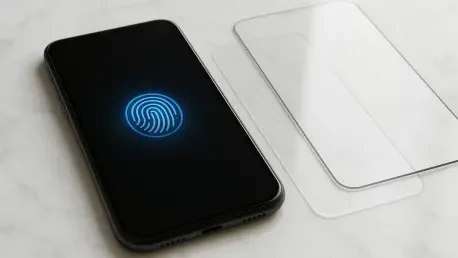

Users often find that increasing the touch sensitivity setting in the display menu is a mandatory step for maintaining scanner responsiveness after applying a tempered glass protector. This phenomenon highlights the delicate balance between physical device security and the seamless user experience that modern smartphone owners expect. As Samsung has transitioned from physical capacitive buttons to sophisticated in-display biometric solutions, the interaction between the screen’s surface and the hardware beneath has become a focal point of technological research. The integration of these sensors has allowed for nearly bezel-less designs, but it has simultaneously introduced a significant hurdle for third-party accessory manufacturers. Every micrometer of material placed over the display potentially alters the way the sensor interprets data, whether it is light-based or sonic-based. Consequently, the choice of a screen protector is no longer just about preventing scratches; it is a technical decision that directly impacts the daily functionality and security of the handset.
Advanced Sensing Mechanisms Beneath the Display
High-end flagship models, such as the Galaxy S series, utilize ultrasonic fingerprint scanners that emit sound pulses to map the 3D ridges of a finger. This sophisticated technology is highly sensitive to the density and thickness of anything covering the screen. If a protector is too thick or creates even a tiny air gap, the sound waves become distorted, making it difficult for the phone to verify the user’s identity. Unlike other sensors, these do not require the screen to light up, but they do require a very specific material environment to function at high speeds. This acoustic mapping is precise enough to detect blood flow, which adds an extra layer of security against spoofing attempts. However, the reliance on sound waves means that any adhesive layer or glass density variation can refract the signal, causing a “fingerprint not recognized” error. Users of these premium devices have found that only certain certified materials preserve the necessary acoustic transparency.
Light-Based Identification in Modern Handsets
In contrast, Samsung’s mid-range and budget-friendly devices, like the Galaxy A series or Fan Edition models, typically use optical fingerprint scanners. These sensors essentially act as a camera that takes a 2D image of the fingerprint by illuminating the area with bright light. Because they rely on light reflection rather than sound waves, optical scanners are generally more compatible with a wider variety of screen protectors. As long as the material is clear and does not distort the light, the sensor can usually “see” the fingerprint without much trouble. The primary challenge for optical sensors involves light diffusion or the presence of patterns within the protector that could confuse the sensor’s camera. While these sensors may be slightly slower than their ultrasonic counterparts, their tolerance for thicker glass is a significant advantage for users who prioritize heavy-duty screen protection. Maintaining a clean surface is paramount, as smudges on the protector can scatter the light.
Synthetic Film Solutions for Biometric Clarity
For users who prioritize scanner reliability, thin film protectors made of TPU or PET plastic are often the best choice. These materials are incredibly thin and flexible, allowing both sound waves and light to pass through with minimal interference. While they offer less protection against high-impact drops compared to glass, they are the most consistent option for ensuring that fingerprint recognition works every time. They provide a seamless experience for both ultrasonic and optical hardware without requiring specialized installation techniques. These films are typically applied using a wet or dry method that ensures a close bond with the glass surface, eliminating the air gaps that plague thicker alternatives. Modern iterations of these films even feature “self-healing” properties that can absorb minor scratches, maintaining optical clarity over long-term use. For those who value the original feel of the display and do not want to risk biometric failure, these synthetic materials represent the best value.
High-Density Materials and Impact Resistance
Tempered glass protectors offer superior scratch and impact resistance but present a greater challenge for biometric sensors. Standard glass is often thick enough to block ultrasonic pulses entirely, leading many manufacturers to develop “fingerprint-compatible” glass. These specialized products might feature a thinner circular area over the sensor or use a liquid UV-cured adhesive to eliminate the air gaps that typically hinder performance. When choosing glass, users must ensure the product is specifically rated for their device’s unique scanner type to avoid frustration. The application of liquid adhesive is particularly effective because it fills the microscopic imperfections on the screen’s surface, creating a continuous medium for sound waves to travel through. This process requires more patience during installation but results in a level of protection and functionality that standard adhesive-backed glass simply cannot match. High-quality tempered glass is engineered with specific indices to ensure clarity.
Precision Installation and Software Adjustments
Even with the right protector, the installation process plays a vital role in how well the biometric system performs. Small particles of dust or air bubbles trapped over the sensor can act as barriers, leading to failed scans. Experts recommend that users re-register their fingerprints immediately after applying a new protector, as this allows the software to learn the minor changes in how the fingerprint data is received through the new layer. This simple step often solves most recognition issues that occur right after a protector is applied. During the re-registration process, it is helpful to record the same finger multiple times from different angles, which broadens the database the phone uses for matching. This redundancy helps the system recognize the print even if the protector introduces slight distortions or if the user applies varying levels of pressure. Ensuring the screen is perfectly clean before application is the most critical factor, as even a single skin cell or oil smudge can become an obstacle.
Evolution of Integrated Security and User Guidance
The evolution of in-display sensing technologies necessitated a change in how users approached device maintenance and protection. It was established that the compatibility between a screen protector and a Samsung device depended heavily on the underlying sensor type and the material’s physical density. Moving forward, consumers who prioritized seamless biometric performance selected thin-film solutions or specialized UV-cured glass, as these methods consistently mitigated the interference caused by traditional adhesives. It was also discovered that maintaining multiple fingerprint profiles for a single digit significantly improved success rates in colder environments or when the skin was dry. For those seeking the highest level of security and convenience, the focus shifted toward using certified accessories that underwent rigorous testing for ultrasonic transparency. This proactive approach to accessory selection ensured that the sophisticated security features of the Galaxy lineup remained accessible to everyone.