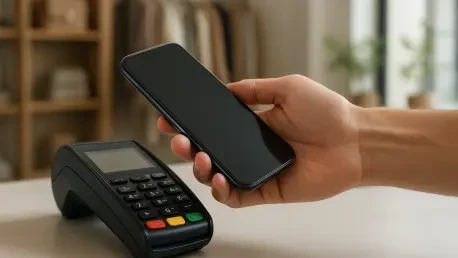

The roadmap for Samsung Wallet includes potential future updates that would enable contactless tap-to-pay functionality using stablecoins at physical retail stores. This ambitious expansion reflects a broader industry trend where hardware manufacturers bridge the gap between traditional fiat currencies and digital assets. Starting in late October 2026, Samsung will provide Galaxy users in the United States with direct access to USDC stablecoin features. This integration is designed to dismantle the barriers that have historically kept average consumers away from blockchain technology, such as the daunting task of managing self-custody wallets or navigating fragmented apps. With approximately 82 million users eligible for this update, the company is leveraging its massive market share to normalize the use of digital dollars. This shift transforms the smartphone into a financial hub that supports decentralized finance without requiring specialized technical knowledge from the everyday user.
Streamlining Global Remittances and Peer-to-Peer Payments
The core functionality of this update focuses on facilitating frictionless international peer-to-peer transfers within a few taps. Because USDC is pegged to the United States dollar, it offers a level of price stability that makes it significantly more practical for everyday financial obligations than volatile assets like Bitcoin. Users can utilize this feature for routine activities such as splitting travel costs with companions or sending immediate remittances to family members located abroad. A standout feature of this service is its remarkable speed and cost-effectiveness compared to traditional wire transfers or international money orders. Samsung claims that transactions will be processed in seconds, bypassing the processing delays and high intermediary fees often associated with legacy banking systems. By integrating these capabilities into the native wallet, the platform creates a cohesive user experience that rivals established fintech applications for consumers today.
Beyond simple wallet-to-wallet transfers, the integration allows for seamless transactions to qualifying bank accounts in over 60 different countries. This particular feature is revolutionary because it enables recipients to receive funds in their local currency without necessarily needing a dedicated crypto wallet of their own. This bridge between the blockchain and traditional banking systems effectively solves the liquidity problems that have hindered digital asset utility for years. Moreover, the removal of traditional transfer fees makes this an attractive option for the unbanked populations who often rely on expensive remittance services. The ability to move value across borders almost instantly while maintaining the purchasing power of the dollar is a compelling value proposition. As this system matures, it creates a global liquidity network that operates regardless of banking hours, providing a new standard for modern financial mobility for all users globally.
Robust Security Protocols and Specialized Network Infrastructure
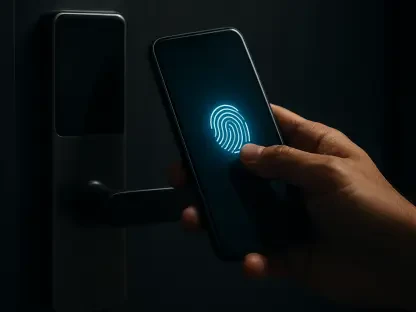
To maintain the highest standards of financial security, Samsung has implemented biometric authentication as a mandatory gateway for every transaction. This ensures that even if a device is lost or stolen, the digital assets remain protected by the user’s unique biological markers, such as fingerprint or facial data. The underlying infrastructure involves a multi-layered partnership with industry leaders to ensure institutional-grade safety. Bastion serves as the primary entity handling stablecoin custody, while Coinbase acts as a sub-custodian through its Coinbase Prime Vault service. This collaboration ensures that the digital assets are not merely held on the phone but are backed by some of the most secure custody solutions in the fintech world. By utilizing specialized hardware security modules like the Knox platform, Samsung provides a secure execution environment that protects transaction data from malicious software or any form of unauthorized access attempts on the device.
The implementation strategy successfully utilized the Solana and Sui blockchain networks to facilitate high-speed operations. These specific blockchains were selected for their high throughput and low latency, which proved essential for achieving the near-instant settlement times promised to users. Beyond simple transfers, the development team planned for the expansion of these capabilities to include online purchases and broader retail acceptance. While the United States served as the initial pilot market, the technology giant established clear intentions to scale this functionality globally, contingent upon navigating diverse regional regulatory frameworks. This strategic rollout represented a significant milestone in the convergence of traditional mobile payments and blockchain innovation. Future considerations for users involved staying updated on regional compliance laws and ensuring that device firmware remained current to support the evolving security features on their hardware.