
Nia Christair is a leading voice in the mobile technology sector, bringing years of expertise in hardware design, enterprise solutions, and the evolving landscape of mobile health. Having worked on the front lines of device development, she understands the intricate balance between aesthetic appeal and high-level functional performance. Our discussion today focuses on the strategic shifts expected in the next generation of smart rings, specifically how physical miniaturization and sensor optimization aim to create a more seamless user experience. We explore the logistical challenges of a rapid global launch and the potential impact of high-level biometric partnerships on the future of personal wellness.
With a rumored launch on May 28 and shipping expected to begin just one week later on June 4, what kind of logistical hurdles does a company face with such a tight turnaround?
A launch window of only seven days between the announcement and shipping is an incredibly bold move that requires a flawless supply chain. To pull this off, Oura must have already positioned thousands of units across global distribution centers to ensure that the “buy” button triggers an immediate delivery process. You can almost feel the high-stakes energy in the warehouses when a company commits to such a rapid cycle, as there is absolutely no margin for error in packaging or last-mile logistics. This timeline suggests that production for the refreshed design and the new charging case reached full scale months ago to meet the immediate demand of early adopters.
How does the move toward a smaller and lighter construction change the daily experience for a user who relies on these wearables for 24/7 health tracking?
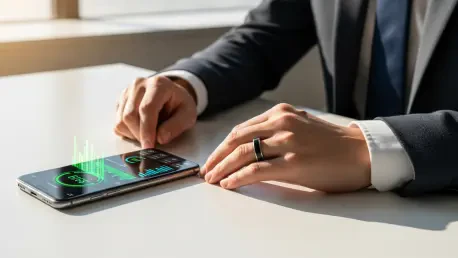
Reducing the physical footprint of a wearable is a fundamental shift in how the technology integrates into a person’s life. When a ring is bulky, you are constantly aware of it pressing against your other fingers or snagging on your pockets, but a lighter frame allows the device to essentially disappear. In my experience with hardware design, making a device “invisible” to the user is the ultimate goal because it ensures they will actually wear it consistently, even while sleeping. The leaked renders suggest a more refined, comfortable fit that should make gathering long-term health data feel like a natural part of the body rather than a chore.
Instead of introducing radical new sensor technology, the reports suggest a focus on optimizing existing systems. What is the technical logic behind prioritizing refinement over revolution?
In the world of hardware engineering, refining existing sensors is often more impactful than chasing unproven new tech because it directly improves the reliability of the data. By optimizing these sensors, the goal is to provide more accurate health insights while simultaneously lowering the power consumption of the device. This creates a more stable experience for the user, who gets better results without the device feeling like it is struggling to keep up. It shows a level of maturity in the product line, where the focus is on perfecting the core experience and ensuring the subscription-based services provide the highest quality information possible.
The leaked information highlights a new charging case that supports up to four full ring recharges. How does this improve the “convenience factor” for the modern consumer?
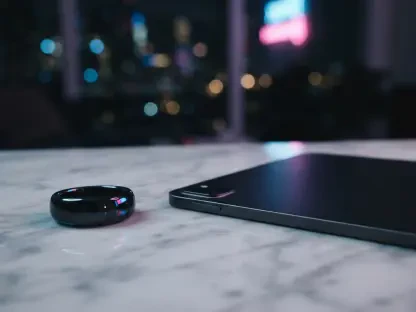
Providing a portable power solution that can recharge the ring four separate times is a significant win for user convenience. It effectively eliminates “range anxiety” for travelers or people with busy schedules who might forget to plug in their devices for weeks at a time. The tactile satisfaction of having a dedicated, high-capacity case means the ring spends less time on a stationary dock and more time on the finger where it belongs. In mobile hardware, these secondary features are often what turn a good product into a staple of a person’s daily routine because they remove the friction of maintenance.
With the 2024 Dexcom partnership bringing glucose biosensors into the app, how does this integration elevate the device’s status in the competitive health-tech market?
The integration of Dexcom’s glucose biosensors is a massive step toward making the smart ring a central hub for metabolic health. By weaving blood sugar data directly into the dedicated app, users can finally see a clear narrative between their sleep patterns, daily activity, and their body’s chemical responses. This type of synergy is exactly what we look for in enterprise mobile solutions—taking complex, disparate data and turning it into actionable insights. It moves the device beyond being a simple fitness tracker and positions it as a sophisticated tool for serious medical and wellness management.
What is your forecast for the smart ring market as these devices become even more integrated into our daily routines?
I believe the smart ring market is on the verge of becoming the primary interface for personal health data, eventually rivaling the popularity of the smartwatch. As hardware continues to shrink and sensor efficiency reaches new heights, these devices will become the standard for anyone who wants high-level tracking without the distraction of a screen. We will likely see even deeper integrations with third-party medical hardware and AI-driven insights that can predict health trends before they become issues. The future is clearly heading toward an invisible, always-on health companion that empowers users without ever getting in their way.