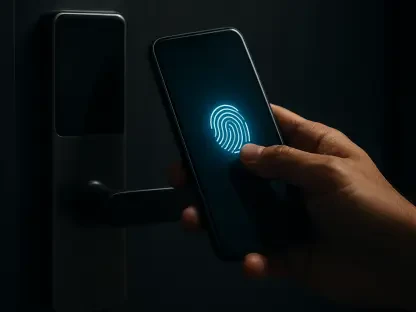

The rapid convergence of mobile payment hardware and decentralized finance protocols has fundamentally altered how individuals perceive the utility of their standard handheld devices. As the global financial landscape undergoes a seismic shift toward tokenization, Samsung has positioned its proprietary Wallet ecosystem as a primary bridge for millions of users looking to transition from traditional banking to blockchain-based alternatives. Stablecoins, which offer the price consistency of fiat with the borderless efficiency of distributed ledgers, represent the most logical entry point for the average consumer. However, the path to mainstream adoption requires more than just technical capability; it demands an intuitive interface that removes the friction typically associated with private key management and network fees. By embedding sophisticated cryptographic tools into the Galaxy series hardware, the company is attempting to demystify the complexities of digital assets for a global audience. This integration is a strategic pivot towards a future where the distinction between a bank account and a digital wallet continues to blur for the modern consumer.
The Integration Of Blockchain Into Consumer Hardware
Securing Digital Assets Within Trusted Execution Environments
The cornerstone of Samsung’s strategy lies in its ability to provide a level of security that software-only wallets cannot match, primarily through the utilization of the Knox Vault. This hardware-isolated environment ensures that sensitive data, such as private keys and biometric templates, are stored separately from the primary operating system, effectively neutralizing threats from malware or unauthorized access. In the current landscape, the importance of this architectural choice cannot be overstated, as the frequency of mobile-targeted cyberattacks continues to rise across the globe. By leveraging a physical processor dedicated to security, the device creates a “Trusted Execution Environment” where transactions are signed in a vacuum. This process prevents the leakage of critical information during the signing process, which has historically been a significant vulnerability for early adopters of cryptocurrency. For the average user, this means that their stablecoin holdings are protected by the same rigorous standards applied to government-grade encrypted communications.
Simplifying On-Ramp Processes And Liquidity Access
A significant hurdle for stablecoin adoption has always been the complexity of moving traditional currency into the digital ecosystem without incurring excessive fees or navigating obscure exchange interfaces. Samsung has addressed this by forming strategic alliances with major liquidity providers and financial technology firms to embed direct purchasing options within the wallet application. Users can now link their existing bank accounts to the wallet and exchange fiat for stablecoins in a matter of seconds, bypassing the need to transfer funds to external exchanges. This localized approach significantly reduces the cognitive load on the user, making the acquisition of digital assets feel like a standard in-app purchase. Furthermore, the 2026-2028 roadmap suggests an even deeper integration with payroll providers, potentially allowing employees to receive a portion of their salary directly in stablecoins. By simplifying the “on-ramp” process, the company is effectively removing the gatekeepers that have historically limited blockchain access to tech-savvy enthusiasts.
Navigating The Global Regulatory And Technical Landscape
Enhancing Transaction Efficiency With Gasless Protocols
One of the most persistent complaints regarding blockchain transactions is the requirement to hold a native network token, such as Ether or Matic, to pay for transaction fees. This “gas problem” has historically been a major deterrent for casual users who simply want to spend their stablecoins without managing secondary asset balances. To solve this, Samsung has begun implementing account abstraction features that allow for gasless transactions or the ability to pay fees directly in the stablecoin being transferred. This innovation effectively masks the blockchain’s complexities, making the user experience indistinguishable from using a traditional fintech app like Venmo. By subsidizing these fees through partnership programs or allowing merchants to cover the costs, the barrier to entry for daily micro-transactions is significantly lowered. This shift is essential for the transition of stablecoins to everyday payment methods for coffee, groceries, and transit. The goal is to reach a point where the user is unaware they are using a ledger, focusing on convenience and speed.
Future Trajectories For Mobile Financial Integration
The integration of stablecoins into the Samsung Wallet ecosystem marked a pivotal moment in the transition toward a decentralized global economy. By prioritizing hardware-level security and abstracting the complexities of blockchain technology, the platform successfully demonstrated that digital assets could serve as practical tools for daily commerce. Moving forward, the industry transitioned toward deeper cross-platform synchronization, where a single digital identity could manage assets across various devices without friction. Strategic partnerships with central banks played a role as the lines between private stablecoins and central bank digital currencies began to converge. For organizations looking to capitalize on this shift, the focus shifted to developing user-centric interfaces that mirrored the simplicity of legacy systems. Ultimately, the success of this initiative relied on building consumer trust through performance and regulatory compliance. This evolution ensured that mobile devices became primary gateways for financial sovereignty.