
The relentless evolution of the smartphone has reached a plateau where the addition of more features often yields diminishing returns for the average user’s quality of life. The phone’s 2-megapixel sensor is intentionally low-resolution, serving the practical need for capturing documents rather than high-fidelity social media content. This design choice, announced by KDDI on November 18, 2026, signals a bold departure from the industry’s current obsession with high-resolution imagery and computational photography. While competitors are engaged in a relentless pursuit of generative AI integration and foldable display technology, the INFOBAR ZERO emerges as a minimalist counterweight. It is a device that deliberately rejects the complexities of modern connectivity in favor of a streamlined, purposeful user experience. By focusing on the essential utility of mobile communication, KDDI is addressing a growing cultural fatigue associated with hyper-connectivity. This announcement marks a significant turning point for the au Flex Style brand, positioning the device as a sophisticated tool for those who seek to regain control over their digital lives. The release is not just a return to a beloved brand name but a strategic pivot toward a philosophy where less is fundamentally more in a cluttered technological world.
Intentional Functional Constraints
Core Capabilities
The INFOBAR ZERO is strictly limited to three primary functions: voice calls, Short Message Service (SMS), and basic photography. This triad of features represents the bedrock of mobile communication, stripped of the algorithmic noise that defines contemporary smartphones. By focusing on standard cellular communication and simple text messaging, the device ensures that users remain reachable for essential matters without the constant pull of internet-based messaging apps or infinite social media feeds. This return to the basics is not a technological regression but a recalibration of the device’s role in daily life. For the user, this means a reduction in the cognitive load associated with managing multiple communication channels, allowing for a more focused and present existence. The simplicity of the interface encourages more deliberate use of the phone, transforming it from a source of distraction into a reliable tool for human connection.
Beyond the immediate psychological benefits, this functional streamlining offers a practical advantage in terms of reliability and ease of use. In an era where operating systems are increasingly bloated with background processes and AI assistants, a device that performs only a handful of tasks can do so with exceptional stability. The user experience is predictable and efficient, with no learning curve required for complex gesture controls or hidden menu layers. This makes the INFOBAR ZERO an ideal choice for individuals who find the current trajectory of mobile software to be needlessly opaque. By prioritizing clear, accessible communication, KDDI has created a product that values the user’s time and mental clarity over technical metrics. This philosophy positions the device as a sanctuary in a world where the boundary between the physical and digital realms is becoming increasingly blurred and exhausting.
Connection Limits
The most striking feature of the INFOBAR ZERO is the total absence of a web browser, an app store, and background data synchronization capabilities. This structural choice is a radical departure from the “always-on” nature of modern mobile technology. By physically and architecturally removing the gateway to the internet, KDDI has created a device that is inherently resistant to the most common digital stressors and security threats. There are no software updates that require high-speed data, no tracking cookies to monitor user behavior, and no invasive notifications from third-party applications. This total disconnection from the web ensures that the device remains a private, self-contained environment. For those concerned about the pervasive nature of data harvesting and digital surveillance, the lack of internet connectivity provides a level of inherent security that software patches alone can never truly achieve.
Furthermore, this lack of internet functionality serves as a powerful tool for behavioral change, acting as a hardware-level “Do Not Disturb” mode that cannot be bypassed by a simple toggle in the settings menu. Users are liberated from the compulsion to check news updates, social feeds, or work emails during their personal time. This creates a clear boundary between the user’s digital obligations and their physical reality, promoting a more balanced lifestyle. From a technical perspective, the absence of internet-facing software significantly reduces the device’s vulnerability to malware and phishing attacks, which often target vulnerabilities in mobile browsers and app ecosystems. The INFOBAR ZERO effectively closes the largest attack surfaces available to cybercriminals, making it one of the most secure communication tools available in 2026. This focus on “security by subtraction” highlights a sophisticated understanding of modern consumer anxieties regarding privacy and digital well-being.
Strategic Brand Positioning
Design Heritage
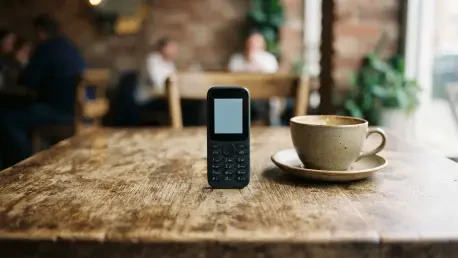
The INFOBAR series has long been celebrated for its unique industrial design and tactile ergonomics, standing out in a market dominated by uniform glass slabs. By reviving this iconic brand after an eight-year hiatus, KDDI is tapping into a deep-seated appreciation for aesthetic satisfaction and craftsmanship. The original INFOBAR models were pioneers in treating mobile phones as design objects, and the INFOBAR ZERO continues this tradition by emphasizing the tactile experience of its physical buttons and balanced chassis. This focus on form is not merely decorative; it is a fundamental part of the device’s value proposition. In a world where digital interactions are increasingly abstract and gesture-based, the return to a physical, tactile interface provides a satisfying sense of agency and precision. The “ZERO” moniker symbolizes a total reset, bringing the brand back to its roots while acknowledging the modern need for a simplified life.
The strategic decision to price the device at ¥32,780, approximately $210, further underscores its positioning as a premium design object rather than a low-end utility phone. This pricing strategy reflects the investment in “au Flex Style” original engineering and the high quality of materials used in its construction. KDDI is betting that a specific segment of the market is willing to pay more for a device that offers fewer features, provided that those features are delivered in a beautiful and ergonomic package. This approach challenges the traditional correlation between price and technical specifications, suggesting that design and intentionality are becoming more valuable to consumers than raw processing power. The INFOBAR ZERO is marketed as a piece of “analog luxury” in a digital world—a statement piece that reflects the owner’s commitment to a more mindful and aesthetically conscious way of living.
Market Philosophy
KDDI targets several distinct demographics with the INFOBAR ZERO, recognizing that the desire for simplicity spans various age groups and professional backgrounds. One primary target is the digital minimalist—an individual who actively seeks to reduce screen time and notification anxiety to improve their mental health. For this group, the INFOBAR ZERO is not a compromise but a liberation. It also appeals to parents who are increasingly wary of the risks associated with providing children with unrestricted internet access. By offering a phone limited to calls and SMS, KDDI delivers a safe communication tool that keeps families connected without exposing young users to the pitfalls of social media or online predators. This demographic focus demonstrates a keen awareness of the social challenges presented by modern technology and offers a practical, hardware-based solution.
Beyond these groups, the INFOBAR ZERO finds a home with collectors and focused professionals who require a dedicated phone line free from the distractions of a primary smartphone. For a professional, having a device strictly for phone calls can help compartmentalize work and personal life, ensuring they remain reachable for urgent matters without being sucked back into an email inbox. Similarly, collectors of the INFOBAR series see the ZERO as a must-have addition to their collection, appreciating the continuation of the brand’s unique design language. By treating the “lack of features” as the primary selling point, KDDI is catering to a niche that values silence and focus over the noise of the digital economy. This market philosophy suggests that the industry is moving toward a more fragmented future, where specialized devices coexist with all-purpose smartphones to meet the diverse needs of a more tech-literate and discerning public.
Launch Logistics and Availability
Release Schedule
The company has meticulously coordinated the launch of the INFOBAR ZERO to coincide with the 2026 holiday season, a time when consumers often look for meaningful lifestyle gifts. Reservations for the device opened in mid-November, building anticipation through a carefully managed rollout. By setting the formal release and shipping date for December 25, KDDI has positioned the device as a thoughtful gift for the New Year, symbolizing a fresh start and a commitment to a more balanced digital life. This timing is designed to capture the attention of gift-givers looking for something unique that stands out from typical tech presents. The Christmas Day launch also allows the company to capitalize on the end-of-year marketing cycle, ensuring that the INFOBAR ZERO is at the forefront of consumer consciousness as people reflect on their habits and set resolutions for 2027.
This release schedule also reflects a broader strategy of treating the INFOBAR ZERO as a lifestyle upgrade rather than just another piece of hardware. The five-week gap between the reservation period and the actual delivery allows for a sustained narrative about the benefits of a digital detox and the heritage of the Infobar brand. This period serves to educate the market on why a phone with no internet is a valuable addition to one’s life, rather than a step back. By avoiding the frantic pace of typical smartphone launches, KDDI is aligning the product’s introduction with the very values of calm and focus that the device itself represents. This patient approach to the market suggests a high level of confidence in the product’s niche appeal and its ability to resonate with consumers on a deeper, more emotional level during the holiday season.
Retail Presence
The INFOBAR ZERO will be available through a wide variety of channels, ensuring that it is accessible to its target audience across Japan. Potential users can find the device at the au Online Shop, as well as at physical au Style locations and authorized au shops throughout the country. This dual-track retail strategy allows KDDI to reach both tech-savvy online shoppers and traditional retail customers who prefer to experience the tactile nature of the phone in person before making a purchase. Given the emphasis on design and ergonomics, the physical retail presence is particularly important, as it allows users to feel the build quality and interact with the physical buttons that define the INFOBAR experience. The device is also available through Okinawa Cellular, further expanding its reach into regional markets and ensuring a consistent brand presence across the entire archipelago.
While the device is officially labeled as “unlocked,” it is primarily optimized for the Japanese market and the specific network infrastructure of the au ecosystem. This localized focus ensures that the phone meets the cultural and technical expectations of its domestic audience, from the specific layout of Japanese text input to integration with local cellular bands. For international buyers or those looking to use the device on other networks, its unlocked status offers some flexibility, though compatibility with non-Japanese carriers remains unconfirmed. This strategic localization allows KDDI to maintain tight control over the user experience, ensuring that the device performs flawlessly within its intended environment. By focusing on its home market, the company can cultivate a dedicated community of users who appreciate the device’s specific origins and the unique design philosophy that has made the INFOBAR brand a cultural icon in Japan.
Frequently Asked Questions
What Makes This Phone Different from a Standard Smartphone?
The INFOBAR ZERO is fundamentally different from a standard smartphone because it completely removes the internet from the mobile experience. While a modern smartphone is essentially a pocket-sized computer designed for general-purpose computing, social media, and multimedia consumption, the INFOBAR ZERO is a dedicated communication tool. It lacks a web browser, an app store, and any form of background data connectivity, meaning the user is never bothered by app notifications or the temptation to scroll through the web. The software is fixed and utilitarian, focusing solely on voice calls, SMS, and basic photography. This structural limitation is a deliberate choice intended to restore a sense of focus and calm to the user’s daily life, making it the polar opposite of the multifunctional, always-connected devices that dominate the market today.
Furthermore, the hardware design of the INFOBAR ZERO prioritizes tactile interaction over the touch-centric gestures of modern smartphones. It features physical buttons that provide mechanical feedback, a choice that stands in stark contrast to the simulated haptic clicks found on most flagship devices in 2026. The camera is also a point of difference; rather than competing for photographic supremacy with multiple lenses and AI enhancement, the 2-megapixel sensor is a simple tool for capturing utilitarian images. This shift from an “entertainment hub” to a “focused tool” represents a philosophical divide. A standard smartphone is designed to keep the user engaged for as long as possible, whereas the INFOBAR ZERO is designed to handle a task efficiently and then allow the user to return to their physical surroundings without the lingering pull of digital distractions.
Why Is the Price So High for a Phone With No Internet?
The price of ¥32,780 reflects the INFOBAR ZERO’s status as a premium designer object and a specialized lifestyle tool. Unlike mass-market budget phones built with low-cost components to achieve high sales volumes, the INFOBAR ZERO is an original model developed under the “au Flex Style” brand. This involves specific engineering costs associated with creating a unique chassis and ensuring high-quality tactile components not found in generic handsets. The cost also accounts for the iconic INFOBAR brand heritage, which carries significant cultural value in Japan. Consumers are not paying for raw technical specifications like RAM or processor speed; instead, they are investing in industrial design, ergonomics, and the intentionality of a device built to last as a durable piece of functional art.
Additionally, the pricing reflects the niche nature of the product and the specific value of “intentional limitation.” In many ways, the INFOBAR ZERO is a luxury of restraint. Just as high-end mechanical watches can cost more than smartwatches despite offering fewer features, the INFOBAR ZERO is priced for its craftsmanship and the psychological relief it provides. KDDI is positioning the device for a demographic that values aesthetic excellence and mental well-being over a long list of features they may never use. By pricing the device in the mid-range bracket, the company ensures that it is perceived as a high-quality, deliberate choice rather than a cheap alternative for those who cannot afford a smartphone. The value proposition is centered on the experience of disconnection, which is increasingly viewed as a premium luxury in a hyper-connected era.
Who Is the Ideal User for the INFOBAR ZERO?
The ideal user for the INFOBAR ZERO is someone experiencing “digital fatigue” who is looking for a practical way to reclaim their time and attention. This includes professionals who want to separate their primary work device from a “weekend phone” that only allows them to be reached for voice calls and urgent texts. By switching to the INFOBAR ZERO during their off-hours, these users can ensure they are not distracted by work emails or social media while spending time with family or pursuing hobbies. It is also a perfect fit for digital minimalists who have decided to move away from the smartphone ecosystem entirely but still need a reliable way to communicate. For these individuals, the phone serves as a statement of their values and a daily reminder to stay present in the physical world.
Another significant group of ideal users consists of parents who want to provide their children with a safe, reliable way to call home without the risks associated with the internet. The INFOBAR ZERO allows for essential communication without exposing minors to the complexities of app stores or the pressures of social media. Furthermore, the device is highly attractive to design enthusiasts and collectors who appreciate the unique history of the Infobar series. These users value the phone as an example of Japanese industrial design excellence and enjoy the tactile experience of using a device that prioritizes form and function in equal measure. Whether used as a primary device for a minimalist or a secondary tool for a busy professional, the INFOBAR ZERO provides a psychological break from the relentless notification tax of the digital landscape.
Future-Oriented Living Through Intentional Tech
The strategic revival of the INFOBAR brand through a device that lacks internet connectivity demonstrated a nuanced understanding of the shifting relationship between humanity and technology. By launching the INFOBAR ZERO on Christmas Day, KDDI successfully navigated a path that prioritized mental well-being and privacy over the traditional metrics of processing power and screen resolution. The market’s response to this “Zero” connectivity model suggested that a significant portion of the public was ready to embrace intentional limitations as a means of improving their quality of life. As the industry moves forward into 2027 and beyond, the success of such specialized hardware will likely encourage other manufacturers to explore “analog luxury” as a viable alternative to the standard smartphone experience.
For consumers, the INFOBAR ZERO represents more than just a phone; it is a catalyst for a lifestyle audit. Those drawn to this device were encouraged to reevaluate their relationship with digital notifications and the constant demand for their attention. The practical next step for many users was to consider a multi-device strategy, where high-powered computing is relegated to specific times and places, while basic communication is handled by a dedicated, minimalist handset. This shift toward specialized, purpose-built technology offers a sustainable solution to digital burnout, providing a clear boundary between the digital tools we use and the lives we lead. In a world of “more,” the choice of “zero” has proven to be a surprisingly powerful way to move forward.