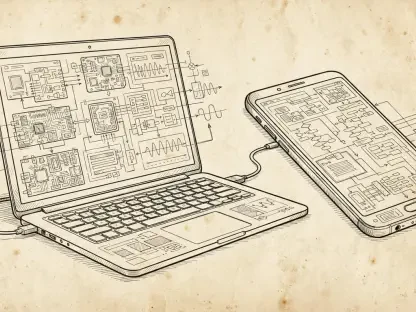

The technological bridge between mobile versatility and desktop productivity narrowed significantly as mobile hardware capabilities surpassed many traditional laptop configurations available just a few years ago. Users have long sought a way to leverage this immense processing power for professional creative suites and development tools that traditionally require a full desktop operating system. While mobile applications have improved, they often lack the depth of features found in software like GIMP or full-featured desktop browsers. The ability to run Linux desktop applications directly on an Android device represents a major leap toward making the smartphone a primary workstation. However, this transition is not as simple as installing a standard app from a digital storefront. It requires navigating a sophisticated virtualization layer that allows the Linux kernel to interact with graphical display drivers in ways that were previously restricted. This evolution reflects a broader trend in computing where the distinction between mobile and desktop software begins to disappear entirely for power users.
1. System Configuration: Establishing the Terminal Environment
Configuring a mobile device to handle professional Linux software requires a methodical approach to system settings and command-line execution. To initiate this transformation, users must first navigate to the system settings to activate Linux terminal support, which enables the underlying environment necessary for virtualization. Once this feature is enabled, the next logical step is to launch the terminal application to begin entering the precise instructions required for software management. A critical component of this ecosystem is the Flatpak package manager, which must be set up on the device to handle the complex dependencies and installation routines associated with desktop-class applications. By establishing this foundation, the device gains the capability to download and maintain a wide variety of software that would otherwise be incompatible with the standard mobile architecture. This initial setup phase is essential for ensuring that the system can communicate effectively with external repositories and manage file permissions.
Following the initial installation of the package manager, users must turn on the Flathub repository to gain access to an expansive library of open-source software and tools. With the repository active, the focus shifts to creating a graphical interface by executing the Weston command within the terminal environment. This action initializes the Weston compositor, which serves as the bridge between the command-line interface and a visual desktop window. Users then need to access the display tab where the actual graphical interface will appear, effectively creating a windowed desktop environment within the mobile display. Inside this newly formed Weston environment, it is necessary to start the Wayland terminal, a specialized tool for managing windowed tasks. Finally, inputting the command to launch your application, such as the specific execution string for Chromium or GIMP, allows the software to initialize and run. This multi-step sequence transforms the terminal from a text-based console into a functioning gateway for complex desktop productivity suites.
2. Performance Realities: Navigating Stability and Interface Barriers
Prospective users should be aware that the current implementation of Linux support is deeply tied to experimental developments in Android 17 and remains unoptimized for general consumption. One of the most significant hurdles involves memory limitations, as the default RAM allocation for the Linux terminal environment is frequently capped at around 2GB. For demanding desktop applications to function without immediate failure, users often need to navigate advanced settings to manually increase this allocation to at least 4GB or 5GB. Failing to adjust these memory thresholds often results in frequent system crashes or the inability of the software to load its graphical components. Furthermore, because the environment is still in its early stages, performance inconsistencies are common even on flagship hardware that should theoretically handle the workload. This experimental nature means that data loss and system instability are persistent risks that must be managed by those attempting to use these tools for professional tasks.
Interacting with graphical Linux software on a touch-based device introduces several interface challenges, most notably involving the Weston compositor and its handling of input. Users frequently encounter cursor bugs where the mouse pointer becomes difficult to control or fails to move outside of a specific application window, making navigation cumbersome. Additionally, application stability is a major concern, as many programs may fail to launch entirely due to internal communication errors like D-bus failures or general compositor malfunctions. Beyond these technical glitches, the physical constraints of a small phone screen present a significant barrier to productivity since desktop layouts are designed for large monitors. For this reason, the use of a tablet or a device with a foldable display is highly recommended to provide the necessary screen real estate for menus and toolbars. Success in this environment also requires a solid foundation in technical knowledge, as navigating the system necessitates comfort with terminal commands such as sudo apt install and other tasks.
3. Strategic Implementation: Optimizing the Desktop Experience
The successful integration of Linux desktop applications into the mobile ecosystem marked a turning point for enthusiasts who sought to maximize their hardware utility. By pairing a mobile device with an external monitor and a physical keyboard, the limitations of the small screen were effectively mitigated, allowing for a more traditional workstation experience. Users who prioritized optimization found that connecting high-speed peripherals via USB-C docking stations provided the stability needed to run complex photo editors and development environments. This transition suggested that the primary hurdle was no longer raw processing power, but rather the refinement of the software interface that connected two different computing philosophies. The practical steps taken by early adopters provided a roadmap for future software updates that likely focused on automating memory management and improving touch-screen cursor accuracy. As the technology matured, the reliance on manual terminal configurations began to fade, paving the way for more user-friendly implementations.
Looking ahead, the convergence of mobile and desktop environments will likely redefine the standard professional workflow for digital nomads and power users. While the current process required a high degree of technical proficiency, the insights gained from these early experimental phases allowed for more robust virtualization techniques. Future developments will probably emphasize better integration between the mobile file system and the Linux container, reducing the friction currently experienced when moving data between environments. The ability to carry a full desktop environment in a pocket ensures that high-level computing is no longer tethered to a specific desk or a bulky laptop. As developers continue to refine the way Android 17 and subsequent versions handle these virtualization tasks, the stability of desktop apps on mobile platforms will reach a level of reliability suitable for professional use. This transformation ultimately represents the realization of a long-standing goal to make computing truly portable without sacrificing the power and flexibility of professional-grade desktop software.