
Restricting localized Wi-Fi access has proven to be an incomplete solution because smartphones can easily pivot to robust cellular data networks to maintain cloud connections. In response, South Korea is preparing to deploy its national emergency alert system in an unprecedented manner on November
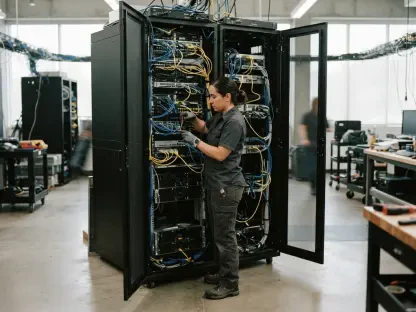
Traditional telecommunications infrastructure is being challenged by the rise of x86 CPUs and GPU-accelerated computing platforms that can handle both connectivity and AI processing tasks. This fundamental shift has led to the launch of a specialized European testing hub in Málaga, Spain, marking a

The arrival of mainstream consumer eSIM services in late 2025 forced China's three state-owned telecom giants to confront a massive overhaul of their existing registration frameworks. This pivotal moment in the mainland’s mobile telecommunications history was catalyzed by the domestic launch of the
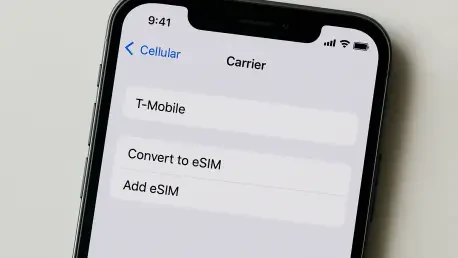
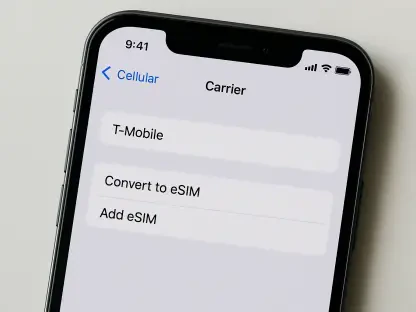
The sudden disappearance of the Add eSIM button following a major iOS update often creates a significant barrier for users attempting to manage their cellular connectivity or activate new service plans. When this interface element vanishes, it typically indicates that the mobile operating system

U Mobile’s recent selection to lead the nation's second 5G network provides it with critical spectrum assets that would transform Maxis into an infrastructure powerhouse. The Malaysian telecommunications landscape stands at a major crossroads where the drive for capital efficiency and technological

The phased rollout of RCS functionality to millions of devices across Australia serves as a catalyst for a broader conversation about the obsolescence of traditional cellular texting. This transformation represents more than just a software update; it is a fundamental realignment of how Australians
1 2 3 4 5 6 7 8 9 10 11 12 13 14 15 16 17 18 19 20 21 22 23 24 25 26 27 28 29 30 31 32 33 34 35 36 37 38 39 40 41 42 43 44 45 46 47 48 49 50 51 52 53 54 55 56 57