
The proliferation of smart home appliances has brought unparalleled convenience into modern life, yet it often comes with a hidden cost: a mandatory reliance on internet connectivity and corporate servers, creating a vulnerability to planned obsolescence. A recent breakthrough by a Swedish-German
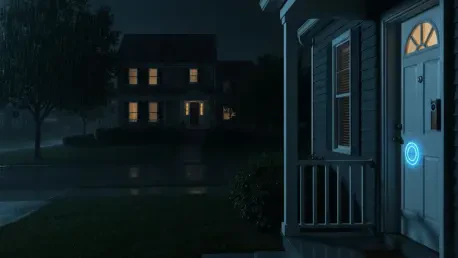
The increasing reliance on smart home technology has introduced an unprecedented level of convenience and control into modern living, yet it has also exposed a critical vulnerability for many households when grid power or internet connectivity fails. In an instant, the very systems designed to

Imagine transforming a living room into a full-blown cinematic paradise without stepping foot in a theater, where every detail of a blockbuster film pops with stunning clarity and vibrant color, rivaling the best commercial screens. Home entertainment technology has reached remarkable heights, and

Wearable technology has evolved from a niche curiosity into a transformative force, with the market projected to soar from a valuation of $66.10 billion in 2023 to an impressive $344.25 billion by 2032, reflecting a robust compound annual growth rate (CAGR) of 20.2%. This remarkable trajectory is
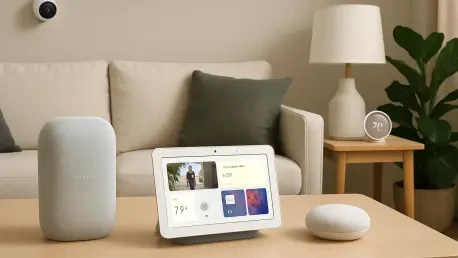
Imagine a home where technology anticipates every need—lights dimming as evening falls, air purifiers activating when pollution spikes, and a simple voice command managing it all without a hitch. This vision of effortless living drew a longtime enthusiast to Google’s smart home ecosystem, with
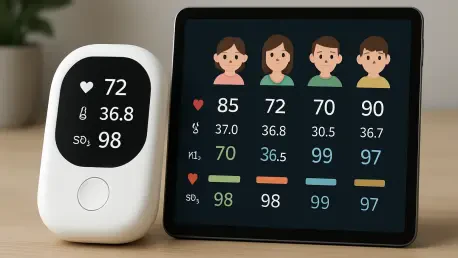
Imagine a world where a single, compact device could transform the way families monitor their health, replacing a clutter of tools with one sleek solution right at home, and making routine check-ups simpler than ever. The recent US launch of the Withings BeamO, a multiscope health device, brings