
Nia Christair has spent her career at the intersection of mobile gaming, enterprise solutions, and hardware design, giving her a front-row seat to the evolution of how we interact with our devices. As Apple reveals its most dramatic transformation yet at WWDC 2026, Nia provides a professional perspective on Siri’s transition from a background utility to a central, standalone application. Our discussion centers on the shift toward a more organized interaction model, where archived conversations and multi-modal inputs like document uploads redefine the user experience. We examine the importance of cross-device continuity and the emotional security provided by private syncing within the Apple ecosystem.
With Siri moving from a background feature to its own dedicated app at WWDC 2026, what does this shift toward a “warehouse” of archived conversations mean for the average user?
This change represents a fundamental shift in how we perceive digital memory and continuity. For the first time, users can scroll through a persistent history of their interactions, much like the interfaces we see in ChatGPT or Claude, which takes away that feeling of a conversation vanishing into thin air. I think the overview feature is particularly brilliant because it allows you to grasp the core of a previous session without forcing you to re-read an entire transcript. It turns Siri into a reliable reference point rather than just a one-off command tool, making the assistant feel much more like a tangible part of your workflow. When you open that app to launch a new conversation, you aren’t starting from zero; you’re building on a recorded legacy of your own data.
The new interface allows for text entry, voice mode, and even uploading images or documents. How do these multi-modal capabilities change the way Siri functions across different hardware?
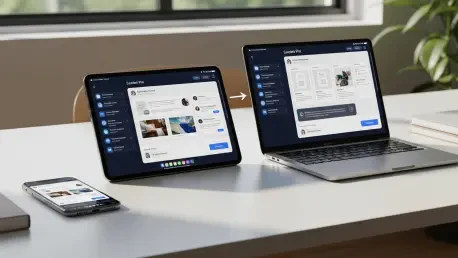
By moving Siri into a standalone app across iOS, MacOS, and iPadOS, Apple is finally unifying the experience so it feels identical whether you’re on a phone or a laptop. The ability to upload documents and images directly into the assistant transforms it from a voice-activated search engine into a sophisticated processing hub. You can feel the difference when you switch from typing a quick query to entering a full voice mode where you speak directly to the AI, creating a much more natural and flexible rhythm. Having all of these interactions synced privately through iCloud ensures that your data follows you seamlessly while maintaining that high level of privacy protection users expect. It’s a more organized and extensive way to handle complex tasks that previously required multiple different apps to accomplish.
What is your forecast for Siri?
I believe that by moving into its own application, Siri is positioning itself to become the primary interface for the entire Apple ecosystem within the next few years. We are going to see users spend less time hunting through folders and more time interacting with this central AI warehouse to manage their digital lives. The transition we saw at WWDC 2026 is just the foundation for a future where the assistant understands the context of your entire device history. As the AI becomes more “ified” and integrated, the line between the operating system and the assistant will likely disappear entirely, making voice and text archives the most valuable assets on our devices. This evolution will turn our smartphones from simple tools into proactive partners that remember every detail of our professional and personal requests.