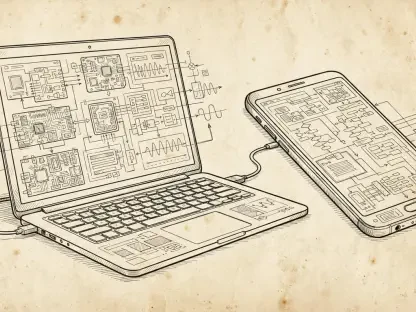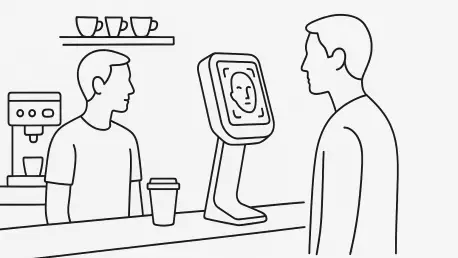

Independent cafes in Bloomsbury, Chelsea, and Soho are currently hosting the United Kingdom’s inaugural experiment with in-store facial recognition payments. This initiative, launched by the fintech giant Revolut, transforms a routine morning coffee purchase into a seamless biometric interaction dubbed “Pay with Smile.” By moving away from physical cards and mobile devices, the trial explores a landscape where personal identity serves as the primary currency. Participants who opt into the service through their digital banking applications provide a real-time facial scan that the system cross-references against verified identity documents. While the pilot program is currently limited to a three-day window in specific London districts, it represents a significant pivot in how financial institutions perceive the relationship between biological data and transactional security. The test aims to determine if the convenience of a hands-free experience outweighs traditional hardware reliance.
Tech Specs
Fast Mapping
The technical backbone of the system relies on advanced three-dimensional mapping that captures unique facial contours to verify a user’s identity in seconds. When a customer approaches the checkout terminal, an infrared sensor captures the biometric signature, ensuring that the transaction is authorized by the actual account holder rather than a photograph or a digital reproduction. This level of verification is integrated directly into the existing Revolut infrastructure, which has been updated from 2026 to include more robust encryption protocols for handling sensitive biometric templates. By decentralizing the authentication process, the system aims to reduce the time spent at the point of sale, allowing for a high-volume throughput that traditional chip-and-pin methods cannot match. Users are incentivized to participate through a variety of rewards, such as loyalty points and discounts on specialty beverages during the trial period in these select neighborhoods.
High Security
Security remains a cornerstone of the implementation, with the service using end-to-end encryption to protect the biometric data as it travels between the terminal and the cloud-based verification server. To address potential skepticism regarding data retention, the fintech firm has clarified that merchants do not store any facial information on their local devices. Instead, the local hardware acts as a temporary gateway that transmits an encrypted hash to the main server for immediate matching. This architecture is designed to prevent the creation of local databases that could be vulnerable to cyberattacks or unauthorized access by retail staff. Furthermore, the opt-in nature of the program ensures that only those who are comfortable with the trade-off between privacy and speed are involved in the current data collection phase. This voluntary framework serves as a critical safeguard during the early adoption cycle of such high-stakes financial technology in the competitive retail sector.
Market Data
Low Fees
For independent retailers in busy metropolitan areas, the shift toward facial recognition payments offers substantial financial relief by bypassing the traditional card networks and their associated processing fees. When a customer uses this new biometric method, the payment is routed through an internal ledger system that avoids the overhead typically charged by major global card providers or secondary digital wallet services. This reduction in transaction costs can save a high-traffic cafe hundreds of pounds per month in hardware rental and processing commissions. Beyond the immediate savings, the system provides merchants with more granular data on customer behavior, allowing them to tailor loyalty rewards more effectively. By automating the identification process, staff can focus more on the quality of service rather than managing payment hardware, which often proves to be a bottleneck during peak morning and lunch hours in these highly competitive urban coffee markets across the capital.
Future Plan
As the pilot concluded, the focus shifted toward establishing clearer regulatory guidelines for biometric payments across the British market. Industry leaders recognized that the success of such technology relied not just on technical prowess but on the establishment of trust through transparent data governance. Future implementations prioritized privacy by design, ensuring that biometric data was either ephemeral or stored in a way that remained entirely under the user’s control. Companies looking to adopt similar systems were encouraged to engage in open dialogue with privacy regulators to ensure compliance with evolving data protection laws. Moving forward, the industry aimed to balance the undeniable benefits of frictionless commerce with the essential need to protect individual privacy rights. This experiment provided a vital blueprint for how the financial sector might navigate the complexities of identity in an increasingly digital world, emphasizing the need for robust and clear user consent for all participants.