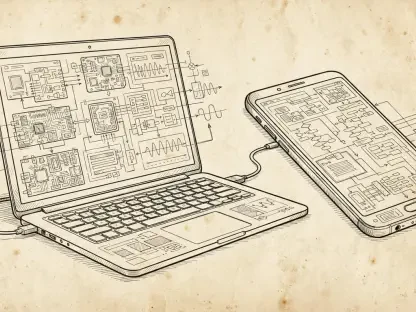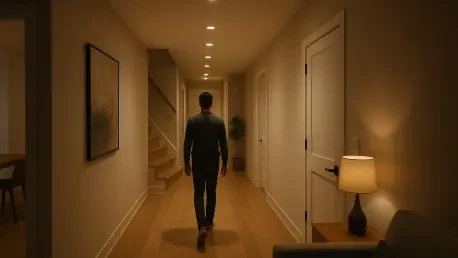

A nighttime routine triggered by the act of turning off a living room television after ten o’clock demonstrates how device interactivity creates a seamless end-of-day transition. While the early iterations of domestic technology focused heavily on the novelty of “connected” devices, the current landscape has shifted toward the pursuit of genuine intelligence. A truly smart home is no longer defined by the ability to toggle a light switch from a smartphone; instead, it is an ecosystem that functions harmoniously without human intervention. The transition from manual remote control to autonomous operation requires a move away from disparate gadgets toward a unified system where devices anticipate needs through environmental triggers. By leveraging universal logical principles—Starters, Conditions, and Actions—homeowners can build a living space that observes, thinks, and acts on its own. This paradigm shift relies on the understanding that a home should serve as a proactive assistant, managing energy, security, and comfort through invisible background processes.
Part 1: Proactive Security and Privacy Management
The evolution of home security has moved beyond passive recording toward active deterrence, utilizing smart cameras as interactive components of a broader defensive strategy. In a traditional setup, a camera might record an intruder, but an autonomous system can be programmed to intervene the moment a threat is perceived. For instance, when a living room or office camera detects motion between the hours of 11:00 p.m. and 6:00 a.m., the system can automatically trigger a smart speaker to broadcast a verbal announcement stating that the area is being monitored. This immediate feedback serves a dual purpose: it acts as a psychological deterrent for unauthorized visitors while simultaneously alerting the homeowner via a high-priority smartphone notification. By combining a motion-based starter with specific time-based conditions, the system ensures that these defensive actions remain dormant during the day, maintaining a non-intrusive environment when the household is active and occupied.
Addressing the inherent tension between constant surveillance and personal privacy is essential for any modern smart home implementation. Many residents feel a sense of discomfort with indoor cameras recording their daily lives, yet they desire the security these devices provide when the house is empty. The solution lies in advanced presence-sensing technology, which utilizes the GPS location of registered smartphones to create a geofenced perimeter. This logic allows the home to automatically disable all indoor cameras the moment the first person enters the property boundaries, ensuring that private moments are never captured on film. Conversely, as soon as the last registered device leaves the perimeter, the system re-arms the cameras and transitions into a high-security mode. This “set-and-forget” approach extends to climate control and energy management, as the house can automatically raise the thermostat or turn off power-hungry appliances once it recognizes the absence of occupants, maximizing efficiency without requiring a single manual adjustment.
Part 2: Dynamic Routines and Circadian Synchronization
Standard automation routines often fail because they rely on rigid, fixed schedules that do not account for the natural variance in daylight throughout the year. To build a more intuitive environment, homeowners are increasingly turning to solar events—such as sunrise and sunset—as the primary triggers for their morning and evening transitions. Instead of a light turning on at a static 7:00 a.m., smart blinds can be programmed to open gradually as the sun rises, providing a natural and gentle wake-up call that aligns with the human circadian rhythm. If external light is insufficient, smart lighting systems can simulate a dawn effect by slowly increasing brightness and shifting from warm amber tones to cool daylight whites. This dynamic approach ensures that the home environment stays in sync with the biological needs of its inhabitants, promoting better sleep quality and overall well-being regardless of the season or the length of the day.
The evening transition can be made equally frictionless by linking home automation to the specific states of entertainment devices rather than a clock. For example, a “wind-down” routine might be initiated only when the main living room television is powered off after a certain late-night threshold. Once this specific starter is satisfied, the house can proceed to dim the lights to 10%, lower the thermostat to a cooler temperature optimized for rest, and reduce the response volume of all smart speakers to a whisper. This interactivity removes the necessity for verbal commands or manual app interactions at the end of a long day, allowing the house to prepare itself for the night based on actual human behavior. By focusing on these nuanced environmental triggers, the smart home shifts from being a tool that requires direction to a responsive partner that understands the natural flow of domestic life and adjusts the atmosphere accordingly.
Part 3: Streamlining Household Communication and Administration
Smart speakers and displays are frequently underutilized as simple music players, yet they possess the capability to function as a sophisticated internal communication network. An autonomous home can serve as a digital administrative assistant by scheduling automated broadcasts to manage the most chaotic periods of the day. During the morning rush or dinner time, the system can provide timely reminders to every room, alerting residents when it is time to leave for work or when a meal is ready. These broadcasts can be tied to specific conditions, such as the location of family members or the status of kitchen appliances. This level of connectivity transforms the home into a self-governing entity that helps maintain order and reduces the mental load on the residents. Instead of shouting across floors, the house itself facilitates the flow of information, ensuring that everyone stays informed and on schedule through a centralized intercom-style interface.
Beyond verbal communication, an intelligent home system can proactively monitor the state of the physical environment to prevent energy waste and security lapses. By integrating contact sensors and motion detectors into the primary automation logic, the house can notify the occupants if a door has been left ajar for an extended period or if lights remain on in a room that has been unoccupied for more than fifteen minutes. This constant monitoring provides a layer of oversight that is impossible to maintain manually. For instance, if a window is opened while the air conditioning is running, the system can automatically pause the climate control and send a notification explaining why. This proactive stance ensures that the household remains efficient and secure at all times, with the technology acting as a vigilant guardian that manages the mundane details of home maintenance. This allows the residents to focus on their personal lives rather than the technical status of their living space.
Part 4: Intelligent Perimeter Awareness and Lighting
The final layer of a truly autonomous home involves the optimization of the exterior environment through intelligent entryway and porch lighting. Most traditional motion-activated lights are prone to “false positives,” triggering every time a neighborhood animal or a swaying tree branch enters the sensor’s range. Modern smart systems solve this issue by utilizing person detection, a specialized form of computer vision that can distinguish between a human being and non-human movement. By linking a doorbell camera with this capability to the outdoor lighting system, homeowners can ensure that pathway and porch lights only illuminate when an actual visitor approaches the door. This precision reduces light pollution and saves electricity while ensuring that the “welcome experience” is reserved for people. This nuanced approach demonstrates how a home can become more neighbor-friendly while simultaneously increasing its functional utility through smarter detection logic.
When a person is detected during late-night hours, the automation can be programmed to not only illuminate the exterior but also to signal to the intruder that their presence is known. For example, if a stranger enters the porch area after midnight, the front lights could pulse or brighten to 100%, while the interior hallway lights activate to simulate someone heading toward the door. This type of defensive signaling provides safety for residents arriving late at night while effectively discouraging potential intruders. The system functions as a coherent unit, where the doorbell camera, outdoor lighting, and interior switches work in tandem to create a secure perimeter. This level of integration moves the concept of a “smart light” into the realm of a comprehensive security solution. By automating these responses, the homeowner gains peace of mind knowing that the house is capable of reacting to external stimuli with a level of speed and consistency that manual intervention could never match.
Part 5: The Impact of AI on Future Automation Accessibility
The historical complexity of configuring sophisticated home routines often served as a significant barrier to the widespread adoption of domestic automation. In previous iterations of the technology, users were required to navigate intricate menus and understand the “if-this-then-that” logic of programming to create even the simplest of multi-device interactions. However, the integration of advanced artificial intelligence and natural language processing has fundamentally changed this experience. Modern platforms now offer conversational interfaces that allow users to describe their desired home behavior in plain English. This shift from manual configuration to intent-based automation means that high-level domestic ecosystems are now accessible to individuals regardless of their technical background. The technology has evolved to handle the technical “back-end” work, translating a simple request like “make the house cozy for a movie” into a complex series of commands across multiple devices.
This shift toward natural language interaction represents the final stage in the democratization of the smart home, where the focus moves from the hardware to the experience. As AI models become more deeply integrated into home hubs, they gain the ability to learn from the residents’ habits and suggest automations that the homeowner might not have considered. For instance, the system might notice that a user always turns up the heat when the humidity drops and suggest a permanent automation to handle that task. This leads to a future where the smart home becomes an invisible, intuitive entity that requires less and less direct interaction over time. The ultimate success of an autonomous home is measured by its invisibility; when the technology serves its inhabitants so effectively that they no longer need to think about it, the home has truly reached its potential. This evolution marks the transition of the house from a collection of gadgets into a living, breathing assistant that enhances every aspect of domestic life.
Part 6: Strategic Implementation and Long-Term Considerations
The successful deployment of an autonomous domestic ecosystem required a shift in how homeowners perceived their daily interactions with technology. It became clear that the most effective systems were those that prioritized context over raw connectivity, using environmental sensors to drive decisions rather than relying on human commands. Homeowners who adopted this mindset began by auditing their most repetitive daily tasks, identifying where a “starter” like motion or time could replace a manual switch. They discovered that by implementing logic-based conditions—such as only running specific routines when the sun was down or when the house was empty—they could eliminate the annoyance of “false triggers.” This strategic approach ensured that the technology remained a helpful presence rather than a source of constant notifications and manual overrides.
Moving forward, the focus shifted toward building a resilient infrastructure that could adapt to changing needs and new device integrations. It was observed that the most satisfied users were those who invested in platforms with broad interoperability, allowing devices from different manufacturers to speak the same language through universal protocols. They found that by treating the home as a unified operating system, they could create complex chains of actions that increased the overall value of every individual gadget. The transition to a truly autonomous home was not achieved through the purchase of a single revolutionary product, but through the thoughtful application of logic and a commitment to creating an invisible layer of support. This journey taught the industry that the real power of the smart home lay not in its ability to be controlled, but in its capacity to understand and act on behalf of its residents.