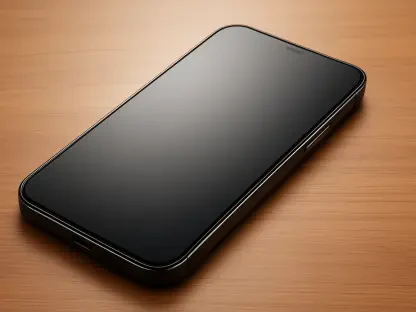

Physical examination of the device reveals that the receiver structure is exclusively located on the exterior, leaving the interior dependent on the loudspeaker. This design decision, highlighted in recent reviews, fundamentally alters how users interact with the iPhone Duo during voice communications. When the device is opened to reveal its expansive internal display, the system logic prioritizes the loudspeaker because there is no secondary earpiece adjacent to the inner screen. This architectural choice necessitates a shift in user behavior, as the intuitive motion of unfolding a phone to view more information simultaneously broadcasts the conversation to anyone within earshot. For professionals who rely on confidentiality, understanding this hardware limitation is essential. The absence of an internal receiver suggests that Apple prioritized slimness and screen continuity over a redundant audio component. Consequently, the transition from a compact handset to a tablet-like interface transforms the audio profile instantly, requiring a more deliberate approach to managing privacy.
1. Keep the Device Folded for Standard Phone Calls
Operating the iPhone Duo in its folded state remains the primary method for ensuring that a conversation stays between the user and the caller. This orientation allows the device to function like a traditional handset, utilizing the single physical receiver located on the outer shell of the chassis. When a call is received, maintaining this closed configuration ensures that the audio remains focused and private, preventing the system from triggering the powerful stereo speakers used for media consumption. It is important to note that the hardware is engineered to detect the hinge angle, which serves as the primary toggle for audio output. For users who find themselves in crowded environments like airports or shared office spaces, this physical boundary is the most reliable tool for maintaining call integrity. Even as mobile technology advances in 2026, the basic necessity of an ear-to-receiver connection remains a fundamental aspect of mobile communication for millions of users worldwide.
If the device is already open and a user needs to switch to a more discreet listening mode, the most direct solution is to fold the phone back into its compact form. This physical movement signals the operating system to reroute the audio from the loudspeaker back to the external earpiece. It is a seamless transition in theory, but users should verify that the audio destination has actually shifted by glancing at the call interface on the cover display. The mechanical action of folding the Duo provides a tactile confirmation of the privacy mode, which is often preferred over navigating software menus during an active conversation. Consistency in this habit prevents accidental broadcast of sensitive information, a common concern for those moving between private and public settings. While the internal screen offers a superior visual experience for documents or video, the external hardware remains the designated gateway for traditional voice calls, reflecting a specific design philosophy focused on modular utility.
2. Pick Your Audio Device Before Unfolding the Screen
For those who require the multitasking capabilities of the large internal display without sacrificing privacy, the most effective strategy involves external hardware. Connecting a pair of AirPods or a similar high-quality Bluetooth headset allows the user to bypass the device’s internal speaker limitations entirely. This preparation should ideally occur before the call is even initiated or certainly before the hinge is opened to reveal the large screen. By establishing a wireless link, the user creates a dedicated audio channel that remains unaffected by the physical state of the iPhone Duo. This approach is particularly useful for executives who need to reference spreadsheets or calendar entries during a briefing. The integration of modern wireless standards in 2026 ensures that latency is minimal and the connection is stable enough for professional use. Relying on peripheral devices transforms the Duo from a simple phone into a powerful mobile workstation where audio and visual tasks are handled by separate, optimized hardware components.
Managing the audio destination manually during an active call is a vital skill for any power user of this dual-screen device. While the call is active, tapping the “Audio” icon on the screen brings up a menu of available output options, which typically include the loudspeaker, the phone’s earpiece, and any connected Bluetooth devices. Selecting the headset from this list before unfolding the screen ensures that the transition to the larger workspace does not result in an embarrassing volume spike. This proactive management of the audio stream allows for a sophisticated workflow where the user can move between different physical configurations of the phone without interrupting the flow of the conversation. It is a deliberate process that compensates for the lack of a secondary internal receiver, turning a potential hardware drawback into a manageable aspect of the user interface. Mastery of these on-screen controls is necessary for anyone looking to maximize the utility of the foldable design without compromising the professional standards of their voice communications.
3. Review Your Call Audio Routing Preferences
In instances where the iPhone Duo behaves unexpectedly, such as defaulting to the speakerphone even when closed, the system settings offer a layer of granular control. Users should navigate to the Accessibility section within the Settings app, then proceed to the Touch menu to locate the Call Audio Routing options. This menu allows for the selection of a default audio destination, such as the Bluetooth headset or the automatic setting which attempts to guess the user’s intent based on usage patterns. By explicitly selecting a preference, a user can reduce the frequency of automated routing errors that might occur during the complex mechanical transitions of a folding device. This software-based approach provides a safety net for those who frequently move between various audio environments. It reflects the broader effort in 2026 to make sophisticated mobile hardware more accessible and predictable for a diverse user base, ensuring that the technology serves the user’s needs rather than dictating them through rigid hardware presets.
Despite the robustness of these software settings, it is important to recognize that accessibility overrides cannot create a physical earpiece where one does not exist. The Call Audio Routing preferences are designed to manage the distribution of audio across existing hardware, not to circumvent the engineering reality of the device’s interior. If a user expects to hold the open screen against their ear for a private call, they will find that no amount of software adjustment can facilitate that specific interaction comfortably or effectively. This realization underscores the importance of understanding the hardware specifications before attempting to troubleshoot what might seem like a software glitch. The iPhone Duo is a specialized tool that requires a specific set of operating procedures, and the software settings are best used as a way to refine those procedures rather than replace them. Balancing these software capabilities with a realistic understanding of the phone’s physical architecture leads to a much more satisfying and productive user experience over the long term.
4. Engineering Trade-Offs in Foldable Hardware Design
The decision to omit an internal earpiece from the iPhone Duo’s design likely stems from the extreme engineering constraints inherent in creating a slim, durable folding device. To maintain a profile that feels natural in the hand when folded, every millimeter of internal space must be accounted for, often leading to the exclusion of redundant components. Adding a second receiver to the interior display would not only increase the thickness of the screen assembly but also complicate the wiring that must pass through the high-precision hinge mechanism. In the 2026 smartphone market, where sleekness and screen-to-body ratios are prioritized, these trade-offs are increasingly common across all major manufacturers. The focus has shifted toward creating a primary, high-performance audio system that serves the device in most of its configurations, even if it requires the user to adapt their behavior for specific use cases. This design philosophy emphasizes the role of the smartphone as a multifaceted computer rather than a traditional telephone receiver.
Furthermore, the rise of ubiquitous wireless audio has significantly influenced how hardware designers approach telephony in the current era. With a large majority of professional users already owning high-fidelity wireless earbuds, the necessity for multiple physical earpieces on a single device has diminished. Designers now lean into the idea that for extended or complex calls, users will naturally gravitate toward a hands-free or headset-based solution. This shift allows the internal space of the phone to be repurposed for larger batteries, more advanced cooling systems, or more robust hinge components that ensure the longevity of the folding display. The iPhone Duo represents a bold step in this direction, betting on the fact that its target audience values screen real estate and structural integrity over the legacy requirement of an earpiece on every surface. As foldable technology continues to mature, this approach is likely to become the standard, marking a permanent change in how we perceive the physical requirements of mobile voice communication hardware.
5. Strategic Implementation of Modern Audio Solutions
As the market for foldable devices expanded, users eventually learned that the iPhone Duo was not merely a larger version of a traditional phone, but a new category of tool entirely. This transition was marked by a period of adjustment where consumers had to reconcile their long-standing habits with the unique physical properties of dual-screen hardware. Those who successfully integrated the device into their professional lives did so by embracing the provided software controls and peripheral ecosystems. They found that while the absence of an internal earpiece seemed like a significant omission at first, the benefits of the expansive workspace far outweighed the inconvenience of using a headset or keeping the phone folded for private calls. The evolution of this user behavior demonstrated that the community was willing to accept hardware trade-offs in exchange for transformative new capabilities. By 2026, the standard for mobile productivity had shifted, and initial confusion regarding audio routing was replaced by a refined understanding of the device’s operational flow.
Ultimately, the lessons learned from the first generation of the iPhone Duo provided a clear roadmap for future developments in mobile audio architecture. Manufacturers and users alike recognized that the key to success in the foldable era was not the replication of old features, but the creation of intelligent, adaptive systems that anticipated the user’s environmental needs. Actionable steps for future buyers included investing in high-quality wireless audio and mastering the accessibility settings that governed call routing. These strategies ensured that the transition between device states was always smooth and professional, regardless of the physical constraints of the hardware. The industry looked back on these early design challenges as essential milestones that forced a necessary reimagining of the relationship between form and function. By prioritizing the most impactful features and leveraging the strengths of the broader ecosystem, the tech world moved toward an integrated future where physical limitations no longer hindered the potential for seamless communication.