
The sudden announcement regarding the departure of OnePlus from the North American wearable market has left many dedicated users searching for a suitable successor to the highly regarded OnePlus Watch 3. This transition represents a significant shift for tech enthusiasts who prioritized the unique blend of longevity and performance that the brand had perfected. The OnePlus Watch 3 set a high bar by utilizing a sophisticated dual-processor setup that allowed for extended battery life without sacrificing the smart features typically found in high-drain devices. As consumers look toward the current progress of technology throughout 2026, the search for a replacement is not merely about finding a watch with a circular face, but about identifying a tool that matches a specific lifestyle and technical requirement. Whether the priority is extreme outdoor durability, seamless software integration, or budget-conscious health tracking, the current Android landscape offers several alternatives that can effectively fill the void and provide a superior user experience.
Rugged Endurance: High-Value Performance Alternatives
The Garmin Instinct 3: A Leader in Long-Distance Capability
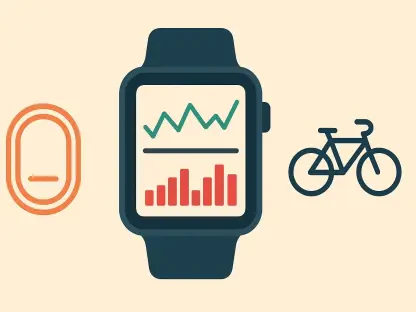
The Garmin Instinct 3 emerged as a premier candidate for those who found the battery stamina of previous devices to be the most critical feature of their daily routine. Unlike many standard smartwatches that require nightly charging, this rugged wearable was designed to endure the rigors of long-distance trekking and intensive athletic training. The device moves away from the traditional high-resolution color displays seen on competing models in favor of a high-contrast, sunlight-readable screen that significantly reduces power consumption. By focusing on essential data delivery rather than flashy animations, the Instinct 3 provides a level of reliability that surpasses the five-day benchmark previously established by OnePlus. It targets a demographic that values raw utility and specialized biometric sensors over the ability to browse social media or play games on a wrist-mounted device. This focus ensures that the user remains connected to their vitals even in remote areas.
In addition to its impressive baseline performance, the solar-powered variant of the Garmin Instinct 3 introduces a revolutionary approach to energy management in the 2026 market. This technology allows the watch to harness ambient light, potentially extending its operation indefinitely under the right environmental conditions, which is a feat unattainable by standard lithium-ion configurations. The build quality reflects a military-grade philosophy, featuring a fiber-reinforced polymer case and chemically strengthened glass that resists scratches and impacts during high-intensity activities. For users who transitioned from the OnePlus ecosystem, the shift to Garmin’s proprietary software represents an upgrade in specialized mapping and recovery metrics. Features such as Training Readiness and Morning Report provide a more granular look at physical health compared to the generalized scores provided by older platforms. This level of detail makes it an indispensable tool for those who view their wearable as a critical component of their fitness.
The Amazfit Bip 6: Reliable Budget-Friendly Longevity
Transitioning from a premium brand often brings concerns about cost, but the Amazfit Bip 6 proves that high-value performance does not necessarily require a massive financial investment. This device targets the mid-range market by offering a comprehensive suite of fitness tracking tools that rival, and in some cases exceed, the capabilities of more expensive competitors. With over 140 different exercise modes available, the watch covers everything from basic jogging to niche sports like competitive climbing or padel. This variety ensures that regardless of how a user chooses to stay active, the device can accurately record the specific metrics relevant to that activity. The Bip 6 also maintains a sleek profile that avoids the bulkiness of dedicated outdoor watches, making it a versatile choice for both the gym and the office. Its ability to offer such a wide range of functionality at its price point makes it an attractive alternative for those who want a reliable health tracker.
Efficiency is the defining characteristic of the Amazfit Bip 6, particularly regarding its power management and user interface. It utilizes a streamlined operating system known as Zepp OS, which is optimized to deliver smooth performance while consuming minimal resources. This efficiency translates into a 14-day battery life, doubling the endurance of many high-end smartwatches currently available in the Android ecosystem. Despite the lower price, the device does not compromise on health monitoring, featuring advanced sensors for continuous heart rate tracking, blood oxygen levels, and sleep quality analysis. The integration with the Zepp health platform provides users with a clean, intuitive interface that mirrors the simplicity of the OHealth application found on OnePlus devices. This familiarity helps ease the transition for users who are accustomed to a straightforward data presentation. By focusing on the core essentials of a smart wearable, the Bip 6 offers a pragmatic solution for the everyday user.
Premium Ecosystems: Sophisticated High-Tech Integration
The Samsung Galaxy Watch Ultra 2: Professional Grade Hardware
The Samsung Galaxy Watch Ultra 2 represents a peak in wearable engineering, specifically designed to satisfy the demands of power users who require professional-grade hardware. It is constructed from aerospace-grade titanium, providing a lightweight yet incredibly strong chassis that can withstand extreme pressures and environments. This durability is backed by a 10 ATM water-resistance rating, making it suitable for high-speed water sports and deep-sea diving where standard watches would likely fail. One of the most striking hardware features is the peak brightness of the display, which can reach up to 5,000 nits to ensure clarity in the harshest glare of the midday sun. This level of visibility is essential for outdoor enthusiasts and professionals who cannot afford to struggle with their screen while on the move. The inclusion of a customizable Action Button further enhances the user experience by providing instant access to specific functions like starting a workout or sounding an emergency siren.
While the physical attributes of the Galaxy Watch Ultra 2 are impressive, its internal specifications set a new standard for connectivity and data management within the Android sphere. The device features 64 GB of internal storage, allowing users to keep extensive music libraries and offline maps directly on their wrist without needing a smartphone nearby. Furthermore, the implementation of Bluetooth 6.0 ensures a more stable and energy-efficient connection with peripheral devices such as heart rate straps or smart home equipment. However, these high-end features come with a trade-off in battery longevity, typically requiring a recharge every two to three days depending on usage intensity. For the user moving away from the OnePlus Watch 3, this change necessitates a shift in charging habits, moving toward a more frequent power cycle in exchange for superior processing speed and LTE independence. This trade-off is often justified by the sheer depth of the Samsung ecosystem.
The Google Pixel Watch 4: Refined and Seamless Software
The Google Pixel Watch 4 appeals to a different demographic, focusing on the intersection of minimalist design and high-level software intelligence. It eschews the ruggedized, industrial look of its competitors for a refined aluminum casing and a domed glass finish that feels right at home in a professional or formal setting. This aesthetic choice does not mean a sacrifice in utility, as the device is packed with the latest sensors and computing power to handle complex tasks with ease. The software experience is where the Pixel Watch truly shines, offering the most fluid and responsive version of Wear OS available. By removing unnecessary bloatware and focusing on a clean, Google-centric interface, the device provides a seamless transition for anyone who relies heavily on services like Maps, Wallet, and Assistant. The tactile feel of the haptic feedback and the precision of the rotating crown further contribute to a sense of premium craftsmanship.
Safety and emergency communication have become central pillars of the Google Pixel Watch 4, setting it apart from more traditional fitness-focused wearables. One of its most innovative features is the introduction of satellite SOS capabilities, which allow users to contact emergency services even when they are far outside the range of cellular towers or Wi-Fi networks. This feature provides a crucial safety net for hikers, travelers, and residents in areas with spotty coverage. Additionally, the device uses advanced machine learning to detect falls and car accidents, automatically alerting designated contacts and sharing location data if the user is unresponsive. These proactive safety measures are integrated into a holistic health platform that tracks everything from stress levels to atrial fibrillation. While the battery life remains at a one-day standard, the fast-charging capabilities ensure that the watch can be topped up quickly during a morning routine.
Market Evolution: Strategic Steps for Wearable Integration
The decision to replace a beloved device like the OnePlus Watch 3 required a thoughtful evaluation of which features were truly essential for daily life. Users who prioritized the rugged endurance of the previous model found that transitioning to specialized fitness brands provided a level of data depth and battery life that far exceeded their expectations. Conversely, those who valued the interconnectedness of the Android ecosystem discovered that moving toward premium flagship models offered a more robust set of smart features and safety protocols. The process involved identifying the specific trade-offs between charging frequency and technical sophistication, allowing each individual to tailor their wearable experience to their unique needs. As technology progressed throughout 2026, it became clear that the diversity of the market offered solutions for every possible scenario. The move away from a single brand encouraged a broader exploration of the innovative tools available for health management.