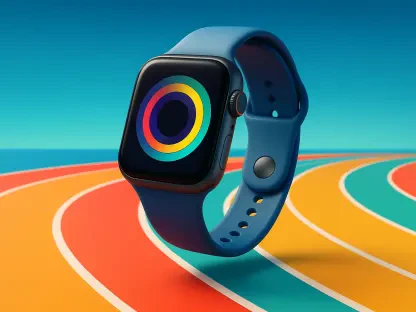

The rapid expansion of wearable technology has transformed wrist-worn gadgets from simple step counters into sophisticated health laboratories, yet this progress has come with the constant burden of maintaining a charged battery. While these devices provide vital health data, sleep metrics, and real-time GPS navigation, the industry’s push for vibrant screens and constant cellular connectivity has led to a phenomenon known as “charging fatigue.” This frustration stems from the requirement to plug in a device daily, which often results in missed data collection, broken fitness streaks, and an overall sense of technological tethering that many users are eager to escape. Manufacturers face a constant struggle to balance high-performance features with battery longevity, especially as consumers demand more advanced sensors for blood oxygen, stress levels, and vascular health. This tension has created a specific demand for hardware that prioritizes long-term operation, particularly for athletes, outdoor adventurers, and those seeking a low-maintenance user experience.
Solar Power: The New Standard for Outdoor Endurance
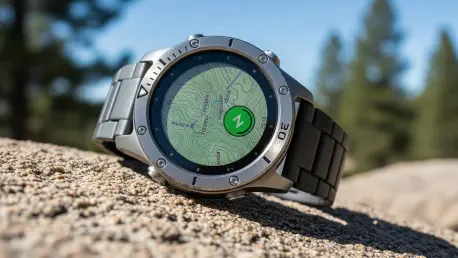
The Garmin Enduro 3 serves as a benchmark for battery life in the modern fitness world, specifically targeting long-distance hikers and ultra-marathon runners who require reliability over weeks rather than days. Its defining feature is integrated solar charging technology, which utilizes a specialized lens to capture sunlight and supplement the internal battery, allowing the watch to function for up to 320 hours in GPS mode. Under optimal conditions, the device can even operate indefinitely in its battery-saver mode without ever needing to be connected to a wall outlet, representing a significant shift in how energy is managed in high-stakes environments. This solar efficiency is complemented by a high-resolution display that remains readable in direct sunlight without draining excessive power, proving that utility does not have to be sacrificed for longevity. Such advancements empower users to embark on multi-day expeditions without the anxiety of losing their navigation or health tracking data.
Beyond its impressive power capabilities, this watch is engineered as a piece of professional survival equipment with a high-end price point that reflects its specialized hardware and software suite. It includes detailed topographic maps, advanced training metrics, and a robust array of health sensors that track everything from heart rate variability to sweat loss during intense physical exertion. Professional reviewers and outdoor enthusiasts consistently praise the device for its rugged construction and its ability to withstand extreme temperatures and environmental conditions. The inclusion of a built-in LED flashlight and multi-band GPS ensures that the user is never left without resources in remote or hazardous environments. This focus on reliability makes the device more than just a wearable gadget; it is a critical tool for those whose safety and performance depend on consistent access to data. By removing the need for frequent charging, the technology allows individuals to focus on their goals.
Invisible Technology: High Efficiency in Minimalist Forms
For those who prefer a more discreet form factor that does not attract the attention of a traditional smartwatch, the RingConn Gen 3 provides a powerful solution housed within the shape of a sleek titanium ring. It offers more than 14 days of battery life on a single charge, which is an impressive feat of engineering considering the limited physical space available for power storage and sensor arrays. This device tracks vascular health, sleep stages, and daily activity levels with high precision while maintaining a weightless feel that most users find superior to bulky wristbands. Because it operates without a recurring subscription model, it allows users to own their health data and track body metrics over the long term without facing any hidden costs or paywalls. The charging case itself acts as a portable power bank, extending the usage cycle even further and making it an ideal companion for travelers who want to travel light. This approach highlights a growing trend where functionality is hidden within everyday jewelry.
The Whoop 5.0 takes a different philosophical approach to wearables by removing the display entirely to maximize energy efficiency and focus on pure physiological data collection. This design choice enables two weeks of continuous sensor monitoring without the need for a recharge, specifically targeting serious athletes who prioritize deep health insights over the ability to check notifications or use apps on their wrist. By offloading all data processing and visualization to a companion mobile application, the device minimizes the power drain associated with screen illumination and user interaction. It focuses heavily on recovery, strain, and sleep quality, providing a comprehensive “stress score” that helps users optimize their training schedules based on their actual physical readiness. The absence of a screen also makes the device more durable and less prone to damage during high-contact sports or intense workouts. This minimalist strategy proves that technology can be powerful without requiring constant attention.
Versatile Design: Balancing Aesthetics with Power Management
The Amazfit T-Rex 3 successfully bridges the gap for users who want a traditional smartwatch experience featuring a vibrant AMOLED touchscreen without the typical 24-hour battery limitations. It manages to last up to 27 days under normal usage scenarios, proving that high-brightness displays and fluid user interfaces do not always require a nightly trip to the charging dock. Built with military-grade durability, the watch is designed to survive falls, shocks, and immersion in water, making it a favorite for weekend warriors and casual hikers alike. It offers high-end features such as on-device map storage, voice-controlled commands, and offline music playback at a price point that is significantly more accessible than many of its competitors. The efficiency of its operating system allows it to maintain background heart rate monitoring and sleep tracking without significant energy penalties. This combination of ruggedness and power efficiency offers a compelling alternative for many modern users today.
The Withings ScanWatch 2 offers a more sophisticated aesthetic by blending traditional mechanical watch hands with a small, circular digital window for health notifications and metrics. This hybrid approach is a masterclass in power conservation, allowing the battery to last up to 35 days while still providing medical-grade tracking features such as an electrocardiogram and oxygen saturation monitoring. It is a preferred choice for professionals and style-conscious individuals who desire constant health monitoring without the bulky or overly athletic appearance of a typical sports watch. The watch features a sapphire glass face and a stainless-steel casing, ensuring that it looks at home in a boardroom as much as it does in a gym. Its ability to detect signs of atrial fibrillation and respiratory disturbances during sleep adds a layer of preventative health care that few other long-lasting wearables can match. By choosing to prioritize an analog display, the device reduces the frequency of battery drain.
Long-Term Solutions: Strategies for Device Longevity
Recent shifts in the global wearable market indicate a definitive move toward specialized power management strategies that rely on hardware innovation rather than just larger battery cells. Brands are now focusing on technologies such as ambient light harvesting, low-power microcontrollers, and display technologies like memory-in-pixel or hybrid screens to eliminate the inconvenience of frequent charging. Furthermore, advancements in software efficiency allow devices to enter deep-sleep states between sensor readings, ensuring that every milliampere of energy is utilized effectively. The current industry landscape shows that consumers are increasingly willing to trade certain flashy features for the peace of mind that comes with a device that stays powered for weeks. This transition is being driven by improvements in silicon architecture, where processors are now designed specifically for the low-power requirements of wearables. These engineering breakthroughs ensure that health trackers remain functional.
Choosing the right wearable required a careful assessment of individual lifestyles and the specific health metrics that mattered most to the user. Many individuals found that transitioning to devices with solar capabilities or hybrid displays eliminated the stress associated with daily charging routines and ensured more consistent data collection. Athletes who prioritized recovery metrics often opted for screenless trackers, while outdoor enthusiasts utilized rugged devices with integrated mapping to maintain safety during long treks. The market proved that high-performing technology did not have to be high-maintenance, provided that the hardware matched the specific needs of the wearer. To achieve the best results, users identified their primary goals, such as cardiovascular monitoring or navigation, and selected hardware that offered at least 14 days of autonomy. This shift allowed people to focus on their personal health journeys without the constant interruption of a dead battery in their daily lives.