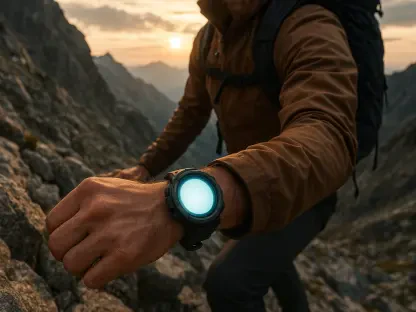

The slim 11.5 millimeter frame of the Fitbit Edge is designed to solve the discomfort users often feel when wearing thicker smartwatches like the 12.3 millimeter Pixel Watch. This engineering focus on ergonomics addresses a significant pain point for individuals who wear their trackers during sleep or intensive exercise, where bulk often leads to irritation or inaccurate sensor readings. As the wearable market in 2026 shifts toward more discreet technology, the Edge serves as a pivotal bridge between minimal trackers and high-end smartwatches. By reducing the thickness by nearly ten percent compared to the flagship series, the device achieves a profile that feels substantially less intrusive on the wrist. This evolution in design demonstrates a commitment to wearable comfort, ensuring that advanced health monitoring remains a seamless part of the daily routine without the physical burden typically associated with larger digital devices.
Design and Wearability
Chassis and Controls
Building on this refined aesthetic, the Edge maintains a visual continuity with the classic band style while introducing sophisticated hardware updates that distinguish it from its predecessors. The inclusion of an OLED display provides the high-contrast visuals expected from modern devices, yet the vertical orientation keeps the footprint narrow and elegant. Unlike previous iterations that relied solely on capacitive touch, this model incorporates a tactile side button designed for precision. This physical interface is a response to community feedback requesting more reliable controls during high-movement activities or in environments where touchscreens may become unresponsive due to moisture. The fusion of a traditional button with a modern touch interface represents a thoughtful balance between old-school reliability and contemporary digital convenience. This approach ensures that the tracker remains functional in diverse conditions, appealing to both casual and athlete users.
Accuracy and Software
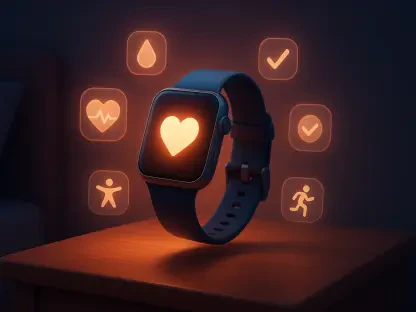
Moreover, the internal sensor array has been significantly overhauled to provide a fifteen percent increase in sleep-tracking accuracy, a metric that has become central to the Google Health ecosystem. These sensors work in tandem with advanced software to offer a comprehensive analysis of heart rate variability and recovery readiness, providing users with a clearer picture of their overall well-being. The integration into the health platform ensures a seamless flow of data. Metrics captured are translated into actionable insights. This focus on data precision ensures that the Edge is not merely a cosmetic upgrade but a genuine improvement in physiological monitoring technology. By prioritizing accuracy in a smaller form factor, the device addresses the technical challenge of maintaining sensor integrity without the space afforded by larger watch chassis. This result is a highly capable tool that fits into a lifestyle focused on data-driven health.
Sustainability and Value
Repairable Construction
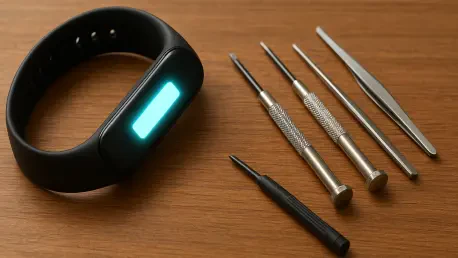
The move toward sustainable hardware is most evident in the decision to make the Edge the first repairable Fitbit, a strategy that marks a significant shift in the brand’s manufacturing philosophy. By moving away from the sealed, non-serviceable designs of the past, the company is catering to a growing demand for longevity and environmental responsibility in consumer electronics. This modular approach allows for easier battery and screen replacements, effectively extending the functional lifespan of the device well beyond the typical two-year cycle. This change is particularly relevant in 2026, as consumers increasingly prioritize hardware that can be maintained rather than discarded. The repairable nature of the Edge sets a new benchmark for the industry, suggesting that the era of disposable wearable technology is coming to an end. This commitment to durability and serviceability reinforces the value proposition, making the initial investment more attractive for users.
Performance and Battery
Finally, the release of the Edge forced a reevaluation of what consumers should expect from mid-range wearable devices in terms of battery life and overall utility. While the seven-day battery estimate provided a strong selling point, the practical reality of a two-day duration with the always-on display active highlighted the ongoing challenges of energy density in slim devices. This forced users to make intentional choices about which features they prioritized, such as visual convenience versus multi-day endurance. The market responded by embracing the repairable design as a necessary evolution for sustainable tech, while the improved sensors solidified the device’s place in the competitive health landscape. Future developments were expected to focus on further closing the gap between power-hungry displays and the long-lasting performance found in screenless trackers. Consequently, the industry took significant steps toward balancing aesthetic refinement with the practical demands of daily use.