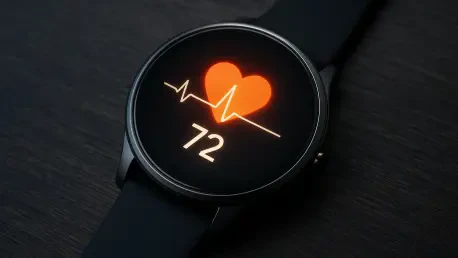

The August 2026 cessation of all security patches for the Galaxy Watch 4 series marks the definitive conclusion of its functional lifecycle for secure mobile payments. This significant shift underscores a broader industry trend where the utility of a wearable device is increasingly tethered to its software ecosystem rather than just its mechanical endurance. For many users, the transition of a once-flagship device into an unsupported state represents a challenging juncture, especially as these watches have become central hubs for biometric data and daily communication. While the physical components like the circular OLED displays and rotating bezels may remain perfectly operational, the lack of underlying security infrastructure creates a vacuum that can expose personal information to modern digital threats. Understanding the nuances of these support cycles is no longer a niche concern for tech enthusiasts but a fundamental requirement for anyone looking to maintain a secure and reliable digital lifestyle in the current mobile landscape.
Tracking the Countdown for Legacy Models
Hardware Maturity and the End of the Road for Older Series
The Galaxy Watch 4 and Watch 4 Classic served as the foundation for the modern Wear OS ecosystem, yet they have officially reached their technical limits as of mid-2026. This milestone is a critical indicator for the entire Samsung ecosystem, demonstrating that even groundbreaking hardware has a finite window of optimal performance. For current users of the Galaxy Watch 5 and Watch 6 series, these developments provide a clear preview of the timeline ahead, with the Watch 5 nearing its own retirement phase by the end of the current year. The Galaxy Watch 6 is expected to follow suit in 2027, maintaining its position as a viable daily driver until its final security patch is deployed. By observing these predictable cycles, consumers can better anticipate when their devices will shift from being modern tools to legacy hardware. This knowledge allows for a more strategic approach to personal technology management, ensuring that users are never left with an insecure device during a critical period of their digital lives.
Future-Proofing with the Latest Samsung Flagships
Samsung has addressed concerns over wearable longevity by implementing a revised five-year support policy for its most recent flagship models. The Galaxy Watch 9 and the Galaxy Watch Ultra 2 currently lead the industry with a guaranteed update path that extends all the way through 2031, offering a significant advantage in long-term value. This extended support window effectively lowers the annual cost of ownership by delaying the need for frequent hardware upgrades, making these premium devices a more sustainable choice for cost-conscious consumers. Even the mid-range Galaxy Watch FE provides a robust alternative, with a software lifecycle that outlasts many older high-end competitors by remaining relevant through 2028. This tiered strategy ensures that all users, regardless of their initial investment, have access to a secure and functional platform for several years. By prioritizing long-term software utility, Samsung has set a new standard for the Android wearable market, encouraging a more responsible and durable approach to mobile technology consumption.
Navigating Life After the Final Update
Functional Realities and Hidden Risks of Unsupported Devices
While reaching the end of the update cycle is not a physical kill switch for a smartwatch, it does introduce several operational challenges that impact daily use. The most immediate risk is the lack of new security patches, which leaves the watch susceptible to exploits that could compromise sensitive health data or financial information stored within mobile payment apps. Additionally, as the version of Wear OS on the device stagnates, third-party developers will inevitably transition their apps to require newer software architectures, leading to a slow decay in application compatibility. Popular fitness and communication tools may eventually stop functioning or lose access to cloud-based services, rendering the smart aspects of the watch less effective. Beyond software, the physical battery inside a four-year-old device will naturally experience capacity loss, leading to more frequent charging cycles and reduced overall reliability. These combined factors create a diminishing return on usage that eventually necessitates a hardware refresh.
Strategic Upgrading and Long-Term Value
The transition to a new wearable is most effectively timed when the security maintenance window closes, rather than when the latest marketing campaign begins. For those currently using an unsupported Galaxy Watch 4, the upgrade to a Galaxy Watch 9 offers a substantial improvement in sensor accuracy, processing speed, and biometric tracking capabilities. However, users of the Galaxy Watch 6 may find that their hardware remains perfectly adequate for another year, provided the battery health remains high and the lack of the newest interface features does not impede their daily routines. The key is to weigh the functional risks of an older device against the tangible benefits of the latest generation, such as improved sleep monitoring and faster charging. By aligning a purchase with the official support calendar, consumers ensure they are receiving the best possible return on investment while maintaining a modern and secure user experience. This measured approach to technology avoids unnecessary spending while prioritizing the security and health features that define the modern smartwatch.
Planning for a Secure Technological Future
The transition toward longer software lifecycles represented a fundamental shift in how wearable technology was managed and consumed. It was observed that users who proactively managed their upgrade cycles based on security timelines experienced fewer disruptions and maintained higher levels of data integrity. For those who navigated the transition from the legacy Watch 4 series, the move toward models with five-year support windows proved to be a sound financial and security decision. Future considerations focused on how these extended update windows would impact the secondary market and the overall sustainability of the electronics industry. It was eventually concluded that the most effective strategy for device longevity involved a combination of hardware care and timely software migration. By prioritizing security patches as the primary metric for an upgrade, owners successfully avoided the pitfalls of outdated technology and maintained a seamless digital lifestyle. This historical focus on longevity ultimately redefined user expectations for the entire wearable category.