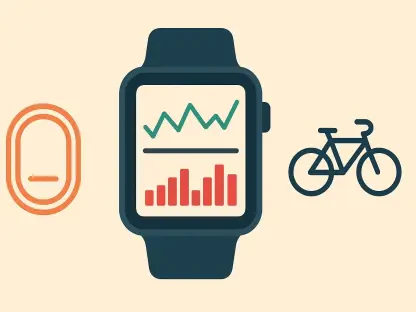

Modern wearable technology has officially transitioned from simple biometric tracking to a sophisticated form of preventative medicine that actively anticipates the user’s physiological needs before symptoms even manifest. The release of the Samsung Galaxy Watch 9 represents a significant pivot in this industry, signaling a move away from incremental hardware improvements and toward the deep integration of artificial intelligence. Instead of merely logging heart rates and daily step counts, this device operates as a proactive health assistant, translating high-level biological signals into actionable daily scores. By prioritizing preventative health, the ecosystem helps individuals understand their physical readiness and long-term cardiovascular health rather than providing a confusing list of raw statistics. This evolution in wearable logic ensures that the focus remains on the interpretation of health markers, allowing users to make informed decisions about their lifestyle without requiring medical expertise to decipher the results of their physical activity.
Managing Athletic Strain: The Daily Cardio Load System
The implementation of the Daily Cardio Load feature directly addresses the persistent issue of exercise burnout by helping users maintain a sustainable balance between physical intensity and necessary recovery periods. This specific algorithm cross-references immediate workout stress with baseline recovery metrics, including deep sleep quality and resting heart rate trends, to calculate whether the muscular and nervous systems are prepared for another high-intensity session. By positioning these insights as a primary notification on the watch face, the interface ensures that both professional athletes and recreational enthusiasts can monitor their physical capacity at a single glance. This removes the friction associated with navigating through layered sub-menus, effectively transforming the device into a real-time monitor of exhaustion. Ultimately, this system encourages a more disciplined approach to training, where rest is valued just as highly as activity, preventing the long-term fatigue that often derails fitness goals.
Moving beyond basic pulse monitoring, the comprehensive Heart Health score provides a multifaceted view of a user’s physical condition by aggregating data from skin temperature sensors, blood oxygen levels, and respiration cycles. This centralized tool generates a highly personalized wellness profile that offers specific guidance, such as identifying potential causes for poor overnight recovery or suggesting minor lifestyle adjustments to stabilize blood pressure levels. Furthermore, the seamless synchronization with the health application allows the watch to provide nutritional advice that complements individual fitness objectives and body composition targets. For example, if the sensors detect a period of sustained high stress or low oxygen saturation during sleep, the software might recommend specific dietary changes or hydration levels to mitigate these issues. This level of granular analysis ensures that users are not just tracking their health but are also receiving the tactical support necessary to improve their longevity over time.
Diagnostic Precision: Utilizing Demographic Metrics and Strategic Insights
The Demographic Fitness Index introduces a competitive and diagnostic layer to the wearable experience by measuring individual performance against an expansive database of users within the same age and gender categories. This index evaluates five critical pillars of physical health—body composition, cardiovascular endurance, flexibility, muscular strength, and respiratory efficiency—to create a balanced and visually accessible fitness profile. By presenting this data in a comparative format, the watch acts as both a powerful psychological motivator and a diagnostic guide, helping users pinpoint specific deficiencies in their physical condition. If an individual excels in endurance but falls behind in flexibility or strength, the AI suggests targeted changes to their exercise routine to address these gaps. This comparative approach democratizes high-level sports science, providing every user with the kind of performance analysis that was previously reserved for professional athletes in elite training environments.
The strategic focus of the Galaxy Watch 9 prioritized a more intelligent internal processing engine that successfully streamlined complex biological data into direct, actionable health insights for the user. By bringing essential interpretations to the wrist, the system ensured that individuals avoided the common pitfall of being overwhelmed by a flood of raw, uncontextualized information hidden deep within smartphone applications. Moving forward, users adopted these AI-driven features as a foundation for building long-term health literacy and structured wellness roadmaps, ensuring that health management from 2026 to 2028 became a collaborative effort between humans and machine intelligence. The transition from reactive tracking to proactive consultation established a new standard where devices anticipated physical needs, prompting wearers to consult medical professionals before minor issues escalated. To maximize these benefits, individuals integrated these periodic health scores into their regular medical check-ups to bridge the gap between daily habits and professional healthcare.