
While the Pixel Watch 5 serves as a premium flagship, the Fitbit Edge focuses on a streamlined software experience that prioritizes health tracking and core Google services. This strategic shift addresses a persistent friction point for consumers who find full-featured smartwatches too bulky and entry-level trackers too limited for modern daily life. As the wearable market matures in 2026, the demand for specialized devices has overshadowed the previous one-size-fits-all approach that dominated the early years of the decade. By introducing a device that bridges this specific gap, Google aims to solidify its ecosystem for users who demand high-end data accuracy without the overhead of a complex operating system. This middle-tier entry represents a calculated evolution of the brand’s identity, moving away from simple step counting toward a more integrated, service-oriented health companion. The move reflects a broader industry trend where the distinction between a tracker and a watch is based on user intent rather than just screen size.
Refining the Aesthetic and Functional Experience
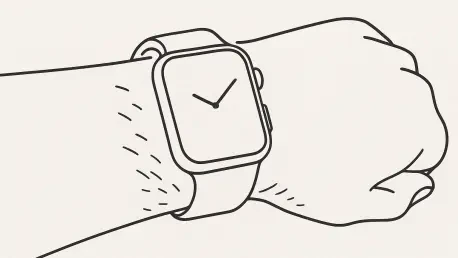
The physical architecture of the Fitbit Edge draws significant inspiration from the classic Charge series while incorporating modern design cues found in the more expensive Pixel lineup. Its chassis features a compact, fitness-oriented body that prioritizes ergonomics during high-intensity workouts and sleep tracking alike. Central to this new design is an elongated oval display that offers a significantly larger viewing area than its predecessors, allowing for easier interaction with incoming alerts and health metrics. This larger screen provides a more modern, smartwatch-like appearance while retaining the portability and lightweight profile of a traditional fitness band. To enhance tactile feedback, Google has included prominent buttons on both sides of the chassis, offering a reliable alternative to touch gestures when hands are sweaty or covered by gloves. This hybrid approach to interaction ensures that the device remains functional in diverse environments, from professional gym settings to outdoor trails.
In terms of functionality, the Fitbit Edge introduces several critical upgrades over minimalist trackers, most notably a display capable of showing notifications and navigation cues. To preserve its identity as a fitness-focused tool rather than a full-featured smartwatch, the software experience remains intentionally more streamlined than that of the Pixel Watch 5. This curated environment supports essential Google services like Google Maps, YouTube Music, and the Find My Phone utility, providing just enough connectivity to keep users informed without the distractions of a heavy application ecosystem. Technical specifications lean toward intensive health tracking, featuring built-in GPS for independent route tracking and an altimeter for measuring elevation. With an estimated price range of $149 to $199, the device targets the missing middle ground that has been underserved by both high-end manufacturers and budget brands, offering a focused alternative that emphasizes biometric data depth.
The successful launch of the Fitbit Edge demonstrated that consumers valued a balanced approach to wearable technology that emphasized utility over unnecessary complexity. Developers prioritized the integration of these devices into professional healthcare frameworks, ensuring that the continuous stream of biometric data could be utilized for long-term wellness strategies. This transition encouraged a more mindful relationship with personal technology, where the wearable served as a silent health advocate rather than a primary source of digital distraction. Moving forward, the industry adopted these standards to enhance data security and local processing power, providing users with greater control over their sensitive information. Stakeholders recognized that the future of wellness depended on creating tools that were both accessible and highly accurate, bridging the gap between personal fitness and clinical monitoring. The adoption of this model provided a clear roadmap for future innovations in biometric technology.