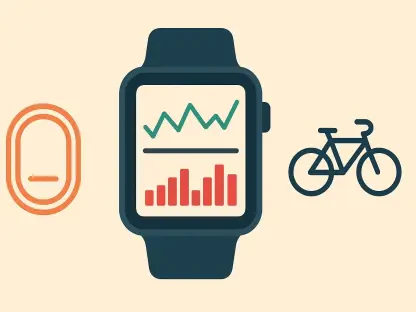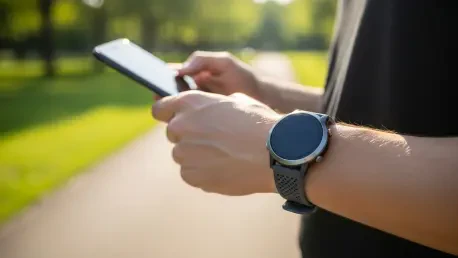

Imagine a scenario where a high-tech wearable promises total liberation from the bulky smartphone during a mountain hike, only for the user to realize the device remains tethered to their pocket via Bluetooth regardless of the expensive data plan active in the background. Most modern wearables have reached a pinnacle of engineering where they serve as impressive extensions of our digital lives, yet the marketing narrative pushing for standalone cellular connectivity often obscures a fundamental truth about human behavior and device proximity. For the average consumer, the allure of making phone calls from a wrist-mounted device while miles away from a primary phone sounds revolutionary, but the practical application of this feature is surprisingly narrow for the typical daily routine. In many cases, the decision to opt for a cellular-enabled watch results in a redundancy that costs hundreds of dollars over the lifetime of the hardware without providing a proportional increase in actual utility.
The Reality of Device Independence
Assessing Proximity and Bluetooth Connectivity
Statistical data from the wearable industry consistently highlights that smartphones are rarely more than thirty feet away from their owners, creating a robust and stable Bluetooth connection that renders an independent cellular radio essentially dormant. Even when users are at home or in the office, the widespread availability of high-speed Wi-Fi networks allows non-cellular smartwatches to receive notifications, download updates, and stream media with the same efficiency as their more expensive counterparts. This seamless handoff between Bluetooth and Wi-Fi ensures that the watch remains fully functional for roughly ninety-five percent of the day without ever needing to tap into a costly LTE or 5G frequency. Furthermore, the battery drain associated with active cellular use on a small wearable often discourages long-term use of the feature, as a watch running on its own cellular connection can see its battery life plummet by more than fifty percent in just a few hours.
Analyzing Mobility in Fitness and Safety Contexts
Enthusiasts who prioritize fitness often believe that a cellular watch is the ultimate tool for weight-shaving during long-distance runs or cycling sessions, yet the reality of physical comfort and safety often tells a different story. Many athletes have discovered that carrying a smartphone in a compression pocket or a streamlined hydration vest is not only more practical for emergency navigation but also provides access to superior camera hardware and a larger interface for complex tasks. Beyond the hardware, the software experience on a small wrist-based interface is inherently limited for complex navigation or responding to urgent messages compared to the expansive display of a modern smartphone. This reality often leads users to bring their phones regardless of their watch’s capabilities, simply to ensure they have a better tool for unexpected tasks like capturing a high-resolution photo or checking a detailed map. Thus, the supposed freedom becomes a theoretical benefit.
The Long-Term Financial and Technical Impact
Evaluating Hardware Premiums and Service Fees
The financial burden of maintaining a cellular smartwatch extends far beyond the initial purchase price, manifesting as a subtle form of subscription creep that can significantly erode a consumer’s annual technology budget. Most cellular-capable smartwatches carry a premium of at least one hundred dollars at the point of sale, but the true cost is found in the recurring monthly service fees and the associated regulatory taxes that accompany a new line of service. Over a standard cycle, from 2026 to 2029, a ten-dollar monthly fee combined with taxes can easily result in an additional expenditure of nearly four hundred dollars, nearly doubling the total cost of ownership for a secondary screen. This financial commitment is difficult to justify when one considers that the core health tracking and sleep analysis features of the device remain fully functional without requiring any recurring data expenditures, making the tethered model a much more sustainable and logical choice.
Navigating Carrier Requirements and Technical Restrictions
Technical limitations and the current structure of the telecommunications industry further complicate the adoption of standalone smartwatch plans, as many budget-friendly mobile virtual network operators lack the infrastructure to support them. Users who prefer the cost savings of smaller carriers often find themselves trapped, as these providers frequently do not offer the eSIM provisioning required to link a watch to a phone’s primary number. This forces consumers into a difficult choice: either remain with an expensive major carrier to use the watch’s cellular features or switch to a more affordable provider and render the watch’s cellular radio useless. Additionally, the process of activating and troubleshooting these plans often involves hours of customer service interaction or technical hurdles that do not exist with the standard Bluetooth-only models. For those who value a streamlined technology experience, the added layer of complexity can be more of a headache than any real convenience.
Strategic Integration for Modern Wearable Technology
Optimized Approaches for Practical Device Ownership
The evaluation of smartwatch utility demonstrated that the vast majority of consumers derived more value from the core biometric sensors and notification systems than from the expensive cellular radios that defined the high-end market. Smart buyers moved toward a more pragmatic approach by choosing GPS-only models and reinvesting the hundreds of dollars saved into higher-quality bands, screen protection, or even long-term health subscriptions. This shift highlighted a growing awareness that a tethered connection was not a limitation but rather a logical optimization of existing technology ecosystems. Future considerations for wearable adoption focused on enhancing the synergy between devices rather than seeking forced independence that often led to technical complications and wasted resources. By making the deliberate choice to forgo the extra data line, users regained control over their bank accounts, proving that the most advanced feature was its ability to work well without needing an extra contract.
Maximizing Value Through Tethered Ecosystems
The transition toward more sustainable tech consumption emphasized that the most effective digital ecosystems were those that prioritized interoperability over isolated functionality. Users who resisted the pressure to activate every available data plan found that their devices remained more focused tools, free from the distractions of a secondary number and the technical friction of multi-device management. By looking at the actual performance data and the reliability of Bluetooth-connected services, it became clear that the smart choice involved a critical assessment of real-world needs versus marketing-driven desires. This shift allowed manufacturers to double down on biometric sensor innovation and battery efficiency in base models, which ultimately benefited the entire consumer base. In the end, the decision to maintain a tethered connection was not a compromise, but a deliberate move to ensure that wearable technology remained an unobtrusive asset rather than another source of complexity.