
The modern high-end tablet market has finally reached a point where the traditional boundaries separating mobile devices from professional laptops have all but completely vanished. No longer relegated to simple media consumption or casual web browsing, the latest generation of flagship tablets aims to replace the traditional laptop for a vast majority of users. At the center of this technological rivalry stand the OnePlus Pad 4 and the OPPO Pad 5 Pro, two devices that leverage shared engineering resources while carving out distinct identities in the premium Android space. These machines are designed for those who refuse to compromise on power, offering top-tier processing, stunning displays, and expansive batteries that cater to both creative professionals and corporate power users. As the industry moves closer to a truly unified mobile-desktop experience, the competition between these two siblings highlights the subtle nuances that define a modern workstation. Understanding these differences is vital for an informed purchase.
Physical Design: Craftsmanship and Materials
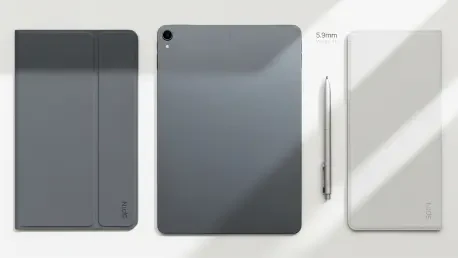
Engineering a device that is both incredibly thin and remarkably durable requires a meticulous approach to industrial design and material selection. Both tablets utilize a high-grade aluminum unibody construction that provides a rigid, premium feel while maintaining a lightweight profile for maximum portability. Despite their large footprints, these devices boast a thickness of just 5.9mm and tip the scales at exactly 672 grams, ensuring they remain comfortable for extended handheld use or travel. While the shared chassis design speaks to a unified manufacturing heritage, each brand applies its own stylistic flourishes to appeal to different consumer tastes. The OnePlus Pad 4 features a refined glass front and a sophisticated finish that aligns with the brand’s minimalist aesthetic, whereas the OPPO model is built with a clear focus on structural integration with its dedicated keyboard ecosystem. This balance of form and function allows both tablets to serve as centerpiece devices in any high-end tech setup.
The visual experience remains a cornerstone of tablet utility, particularly for those engaged in graphic design or high-definition video editing. Both the OnePlus and OPPO models feature expansive 13.2-inch LCD panels that deliver vibrant colors and deep contrast, supported by a 144Hz refresh rate that ensures exceptionally smooth navigation. However, the OnePlus Pad 4 distinguishes itself with a higher native resolution and integrated Dolby Vision support, which translates to sharper text and a more immersive dynamic range during cinematic playback. This visual prowess is paired with a sophisticated eight-speaker sound system on both devices, providing a wide soundstage that rivals many small televisions. OnePlus goes a step further by including Hi-Res Audio certification, making it the preferred choice for audiophiles and media enthusiasts who demand the highest possible fidelity. This combination of screen size and audio quality creates a versatile platform that excels in both entertainment and professional productivity tasks.
Internal Hardware: Performance and Processing
At the heart of these flagship devices lies the Snapdragon 8 Elite Gen 5 processor, a chipset that provides the raw computational power necessary for demanding modern applications. This silicon is paired with high-speed UFS 4.1 storage technology, which significantly reduces loading times and ensures that system-level operations remain responsive under heavy loads. Whether rendering complex 3D models or exporting 4K video files, the internal architecture of these tablets handles resource-intensive tasks with a level of efficiency previously reserved for desktop workstations. The shared hardware foundation ensures that both the OnePlus Pad 4 and the OPPO Pad 5 Pro remain at the cutting edge of performance for several years, providing a future-proof investment for consumers. This emphasis on processing speed is not just about raw numbers but about creating a fluid, lag-free environment where the hardware never becomes a bottleneck for the user’s creativity or professional output.
While the underlying processor remains consistent across both models, the divergence in memory management strategies offers a clear distinction for different types of users. The OPPO Pad 5 Pro stands out by offering a 16GB RAM configuration, providing a substantial amount of headroom for extreme multitaskers who frequently switch between dozens of active applications. This extra memory is particularly beneficial for users who keep multiple browser tabs open alongside intensive productivity suites or background processes. In contrast, the OnePlus Pad 4 focuses on optimized memory efficiency through its software, ensuring that its standard configurations provide a snappy and reliable experience without unnecessary overhead. This difference in approach highlights how each brand views the needs of its core audience, with OPPO catering to the “more is better” crowd and OnePlus emphasizing a streamlined workflow. Choosing between them often comes down to how heavily a user intends to push the limits of mobile multitasking daily.
Functional Utility: Power and Connectivity
Sustaining high-performance hardware requires a robust energy solution, and both tablets address this need with a massive 13,380mAh battery capacity. This large cell ensures that users can confidently move through a full workday of intensive tasks without constantly searching for a power outlet. The real differentiation emerges when it comes to replenishing that energy, where the OnePlus Pad 4 takes a commanding lead with its 80W fast-charging technology. This allows the device to reach a full charge significantly faster than the OPPO Pad 5 Pro, which is limited to 67W charging speeds. While both speeds are impressive by industry standards, the faster turnaround time offered by OnePlus is a major advantage for professionals who are frequently on the move and have limited time to tether their device to a wall. This focus on rapid energy recovery complements the overall portability of the tablets, ensuring that they are always ready for action, regardless of how demanding the previous work session may have been.
Beyond pure performance and power, the utility of these tablets is enhanced by their integrated camera systems and connectivity features. Both devices come equipped with a 13MP rear camera and an 8MP front-facing sensor, which have been specifically optimized for the needs of the modern remote professional. These sensors provide high-quality video for conferencing, ensuring that users appear clear and well-lit during virtual meetings or professional-grade video calls. Additionally, the cameras are highly capable when it comes to document scanning and augmented reality applications, adding another layer of versatility to the tablet experience. The inclusion of high-speed Wi-Fi and Bluetooth standards further ensures that peripherals like wireless earbuds, mice, and specialized styluses connect instantly and maintain a stable link. This focus on the practical, everyday needs of the user makes these tablets more than just powerful computers; they are comprehensive communication tools that fit seamlessly into a digital lifestyle.
Market Position: Software and Consumer Value
The software environment serves as the primary bridge between the user and the hardware, and here the paths of OnePlus and OPPO diverge most sharply. OxygenOS 16 on the OnePlus Pad 4 remains dedicated to a clean, bloat-free experience that prioritizes speed and fluid system animations above all else. This approach appeals to users who prefer a “stock” Android feel with thoughtful enhancements that do not clutter the interface. On the other side of the spectrum, ColorOS 16 on the OPPO Pad 5 Pro offers an extensive suite of customization options and deeper integration with the broader OPPO ecosystem of smartphones and wearables. This makes the OPPO tablet an attractive choice for those who already own other brand devices and want a unified, feature-rich experience across all their hardware. Both operating systems have been refined to take full advantage of the large screen real estate, offering advanced split-screen multitasking and window management features that turn the tablet into a genuine productivity powerhouse.
The market observed a clear divide between these two powerhouses, as each targeted a specific niche within the professional community. While the OnePlus model dominated in pure visual speed and charging efficiency, the OPPO variant provided a more robust solution for those requiring extensive memory and deep ecosystem ties. Prospective buyers who analyzed their daily requirements discovered that the choice hinged on whether they valued a clean software experience or a highly customizable interface. Moving forward, investing in a high-quality stylus and a keyboard folio became the most effective way to unlock the true potential of these machines. Selecting the right device required a careful balance of budget and hardware priorities to ensure long-term satisfaction in a rapidly evolving digital workspace. Organizations that integrated these tablets into their workflows noted significant improvements in mobile productivity, proving that the era of the tablet as a primary work device had finally arrived.