
The smartphone market in the current year has shifted from a cycle of rapid annual upgrades to a more calculated investment strategy where consumers demand longevity and sustained performance. For the average buyer, the decision between a Samsung flagship and a OnePlus alternative is no longer just about raw specifications or immediate processing speeds but about how that device will function after four or five years of intensive daily use. While OnePlus initially gained popularity by offering high-end hardware at disruptive prices, the landscape of 2026 presents a different reality where software support and ecosystem stability dictate the true cost of ownership. Samsung has positioned itself as the reliable standard-bearer by ensuring that its hardware is backed by a robust infrastructure that extends far beyond the initial purchase. This fundamental divide highlights a significant evolution in mobile technology, where the value of a device is measured by its durability and the consistency of the user experience it provides over its lifespan.
Evolution of Mobile Photography and Hardware
Strategic Shifts: Imaging Standards
Samsung has maintained its competitive edge in the mobile imaging space by focusing on predictable results and versatile hardware configurations that cater to professional and casual users alike. The integration of high-resolution sensors with advanced telephoto lenses allows Galaxy devices to achieve levels of detail and zoom clarity that remain benchmarks for the entire industry. This consistency is not merely a result of the glass and sensors used but is deeply rooted in how the software processes lighting and texture to create a recognizable and pleasing aesthetic. By prioritizing a balanced approach to image stabilization and color reproduction, Samsung ensures that every capture meets a specific standard of quality regardless of the environmental challenges presented to the user. This reliability has allowed the brand to dominate the premium segment, as customers have grown to trust that their device will perform optimally in diverse scenarios ranging from low-light portraits to high-action sports events.
Proprietary Engines: Technical Realism
OnePlus recently underwent a significant strategic transition by moving away from its high-profile partnership with Hasselblad to introduce the proprietary DetailMax Engine as its primary imaging foundation. This shift reflects a desire to create a distinct identity that prioritizes technical realism and clinical clarity over the stylized, natural color science that defined its previous flagship iterations. While this new direction offers impressive levels of sharpness and raw data retention, it has also introduced a level of variability that challenges the brand’s standing against more established imaging giants. The DetailMax Engine aims to optimize image processing through artificial intelligence, but the transition period has left some users navigating a learning curve as the software matures and adapts to different hardware configurations. As OnePlus continues to refine this internal technology, the focus remains on delivering high-performance imaging that appeals to tech enthusiasts who value granular control and precision.
Software Ecosystems and User Experience
System Comparison: OxygenOS and ColorOS
The evolution of OxygenOS from a lightweight, near-stock Android experience into a more integrated part of the Oppo ecosystem has transformed the functional identity of modern OnePlus smartphones. Today, the software emphasizes fluid animations and rapid response times, utilizing a unified codebase that shares many structural elements with ColorOS to ensure stability across a global range of devices. While some long-time fans miss the minimalist roots of the brand, the current iteration provides a highly polished interface that excels in multitasking and high-speed navigation. Features such as the Shelf and specialized gaming modes are designed to minimize friction, allowing users to move between complex applications with a level of smoothness that is often superior to its rivals. This commitment to speed remains a core pillar of the OnePlus identity, attracting a demographic that prioritizes a snappy interface above the inclusion of deep, built-in productivity suites that might otherwise clutter the user experience.
Versatile Tools: One UI and Productivity
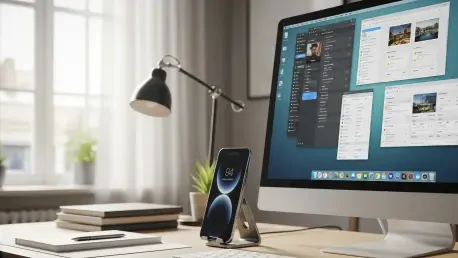
In contrast to the minimalist leanings of its competitors, Samsung’s One UI has developed into a comprehensive digital environment that functions as a legitimate alternative to traditional desktop computing. The inclusion of Samsung DeX allows users to transform their mobile device into a workstation by simply connecting to an external display, providing a windowed interface that supports complex productivity tasks and office workflows. Beyond this, the Good Lock suite offers a level of customization that is virtually unmatched in the mobile market, allowing individuals to redesign almost every aspect of the interface to suit their specific aesthetic and functional preferences. This deep integration of features and services creates a powerful ecosystem that rewards long-term users with a cohesive experience across tablets, wearables, and smartphones. By building such a versatile platform, Samsung ensures that its devices are seen not just as communication tools but as central hubs for personal and professional management.
Long-Term Value and Support Infrastructure
Support Cycles: Software Longevity
A defining factor in the long-term value proposition of any smartphone is the manufacturer’s commitment to providing consistent software updates and security patches over the years. Samsung has taken a definitive lead in this area by promising seven years of major Android version upgrades for its flagship models and many devices within its mid-range lineup. This policy significantly extends the usable life of the hardware, ensuring that older phones still benefit from the latest security protocols and feature sets long after they were first unboxed. For the consumer, this translates to a higher resale value and a reduced need to upgrade frequently, making the initial investment much more economical over the course of the decade. By contrast, while OnePlus has improved its update schedule, it still struggles to provide the same level of global uniformity and long-term assurance that Samsung offers. This gap in support makes a tangible difference for those who view their phone as a multi-year companion rather than a temporary gadget.
Physical Presence: Repairability and Access
Support infrastructure extends beyond the digital realm and into the physical world, where Samsung’s vast network of authorized repair centers and retail locations provides a critical safety net. In the United States, the ability to walk into a local store and receive immediate assistance or a same-day screen replacement is a convenience that significantly mitigates the stress of hardware failure. This extensive logistical presence contrasts sharply with the current situation for OnePlus, which has increasingly relied on mail-in service models as it scales back its direct American operations. For a professional user, waiting several days or even weeks for a device to be shipped, repaired, and returned is often an unacceptable disruption to their daily routine. The peace of mind that comes with knowing a reliable technician is just a short drive away often outweighs the initial cost savings offered by competing brands. This focus on localized service reinforces Samsung’s position as the more practical choice for anyone seeking long-term hardware reliability.
Future Directions: Sustainable Mobile Choices
The comparison between these two technology giants revealed that the modern smartphone purchase was as much about the company behind the glass as the glass itself. Buyers who prioritized the security of long-term updates and the convenience of local repair networks found that Samsung offered a more sustainable path forward for their digital lives. Those who sought the highest performance-per-dollar ratios often gravitated toward the speed and innovation of OnePlus, yet they had to weigh those benefits against the risks of a less comprehensive support structure. Moving forward, potential owners should evaluate their own technical needs by auditing how long they truly intend to keep their next device and whether they have a contingency plan for hardware issues. Investing in a brand with a proven seven-year support cycle was a proactive way to combat electronic waste and financial loss in an era of rising costs. Ultimately, the choice required a balance between the desire for experimental features and the necessity of a stable, well-supported platform.