
The seamless integration of sophisticated micro-electronics into the delicate curvature of the human eye represents a paradigm shift in how individuals perceive and monitor their biological reality. This transition from passive corrective lenses to active digital interfaces signals a departure from traditional wearable technology toward a more intimate fusion of biology and hardware. As the boundaries of miniaturization continue to expand, the surface of the eye has emerged as the most valuable real estate for real-time health diagnostics and immersive information overlays. Exploring this evolution requires a deep understanding of the engineering marvels that allow a transparent membrane to house circuits, sensors, and power sources without compromising ocular safety.
The primary objective of this discussion is to address the most pressing questions surrounding the current state and future trajectory of smart contact lens technology. By examining the intersection of ophthalmology and electronic engineering, this analysis provides a roadmap for understanding how these devices operate and the specific problems they aim to solve. Readers can expect to learn about the technical architecture of the lenses, their life-saving medical applications, and the logistical hurdles that must be cleared before they become a ubiquitous part of daily life. The scope encompasses both the immediate diagnostic benefits for patients and the long-term potential for augmented reality applications in the broader consumer market.
Key Questions: Exploring the Future of Ocular Technology
What exactly defines a smart contact lens in the current technological landscape?
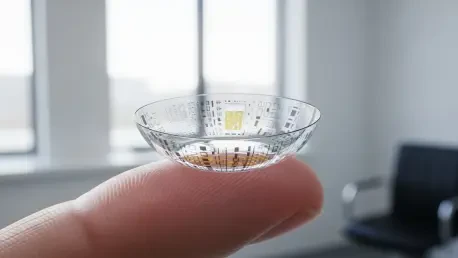
The modern smart contact lens is far more than a simple piece of hydrogel designed to fix a refractive error; it is a complex, multi-layered computer system. Unlike traditional corrective lenses that remain static, these advanced devices incorporate ultra-thin biosensors and microchips that can process data directly on the eye. The fundamental purpose of this technology is to transform the lens into an active data collection point that interfaces with the wearer’s physiological systems. By utilizing transparent conductive materials, manufacturers ensure that the electronics do not obstruct the field of vision, allowing the eye to function naturally while the internal components work silently in the background.
This technological leap is made possible by breakthroughs in material science that allow for the embedding of rigid electronic components into flexible, breathable substrates. Currently, the development of these lenses focuses on maintaining high oxygen permeability to ensure the cornea remains healthy during extended wear. Because the eye is one of the most sensitive organs, the integration of hardware must be precise, ensuring that the presence of micro-circuitry does not cause irritation or long-term damage. These devices represent the pinnacle of wearable miniaturization, condensing the power of a diagnostic lab into a format that is virtually invisible to the naked eye.
How do engineers address the challenge of powering electronics on the surface of the eye?
Powering a device that sits on the cornea presents a unique set of engineering obstacles, primarily because traditional batteries are too bulky and potentially hazardous for ocular use. To circumvent this, researchers have turned toward wireless power transfer and energy harvesting techniques that eliminate the need for an internal chemical power source. One of the most promising methods involves near-field communication, where the lens receives bursts of energy from a nearby device, such as a smartphone or a specialized pair of glasses. This allows the lens to remain incredibly thin and flexible while still possessing the electrical current necessary to run sensors and transmit data.
Moreover, the quest for sustainable power has led to the exploration of biological energy harvesting, where the lens might draw minute amounts of electricity from the natural environment or the wearer’s own movements. However, any power system must prioritize thermal regulation above all else. Even a slight increase in the temperature of the lens could lead to corneal burns or significant discomfort, necessitating ultra-low-power designs that generate negligible heat. The current focus remains on optimizing data transmission protocols so that information is sent to external platforms with minimal energy expenditure, ensuring the device remains safe for continuous use throughout the day.
In what ways can these lenses revolutionize the management of chronic health conditions?
The medical potential of smart contact lenses is perhaps their most compelling feature, as the eye provides a direct window into the body’s internal chemistry. Tear fluid contains a wealth of biomarkers that mirror those found in the bloodstream, offering a non-invasive alternative to traditional blood tests. For individuals managing conditions like diabetes, sensors embedded in the lens can monitor glucose levels in real-time, providing immediate alerts if levels deviate from a safe range. This constant stream of data allows for more precise management of the disease, reducing the reliance on painful finger-prick tests and improving the overall quality of life for millions of patients.
Beyond metabolic monitoring, these lenses are poised to become critical tools in the fight against glaucoma, a leading cause of blindness. By integrating sensors that track intraocular pressure continuously, doctors can identify fluctuations that often go unnoticed during standard office visits. This proactive approach to eye health enables earlier intervention and more personalized treatment plans, potentially saving the sight of patients who are at risk. The transition from reactive check-ups to continuous, automated monitoring represents a significant advancement in preventative medicine, turning a common vision aid into a life-altering diagnostic platform.
What are the primary safety and privacy concerns associated with ocular wearables?
The introduction of electronic components into a sensitive biological environment naturally raises significant safety concerns that must be addressed before widespread adoption. Biocompatibility is the foremost priority, as the materials used must not only support electronic functionality but also allow the eye to breathe and remain hydrated. Any disruption in oxygen flow to the cornea can lead to complications, making the development of breathable, soft-circuited materials a critical focus for engineers. Furthermore, the long-term effects of having low-level electromagnetic fields in constant contact with ocular tissue are still being rigorously studied to ensure that no cumulative damage occurs over years of use.
Parallel to physical safety are the ethical and privacy implications of a device that can potentially record or transmit visual data. If these lenses eventually incorporate cameras or sophisticated tracking sensors, the question of data ownership and security becomes paramount. Users and regulators must consider how the data collected by these lenses is stored and who has the authority to access it. Additionally, there is the risk of visual distraction; if digital overlays are not managed correctly, they could interfere with a wearer’s ability to navigate their physical environment safely. Balancing the benefits of instant information with the necessity of maintaining situational awareness and personal privacy remains a complex challenge for developers.
Summary or Recap
The development of smart contact lenses is a multi-disciplinary effort that bridges the gap between biology and digital innovation. These devices are transitioning from experimental prototypes into functional tools that promise to redefine the standards of medical care and personal technology. The integration of biosensors for glucose and pressure monitoring serves as the initial wave of adoption, providing tangible benefits for patients with chronic conditions. Meanwhile, the engineering focus continues to shift toward perfecting wireless power delivery and ensuring the highest levels of biocompatibility for the user.
As the technology matures, the focus expands toward augmented reality and enhanced vision, where digital information is layered seamlessly over the physical world. While hurdles regarding heat management, battery life, and data security remain, the foundational science is already proving the viability of the concept. The shift toward these ocular interfaces signifies a future where the distinction between the observer and the observed is blurred by a constant, invisible stream of data. Ultimately, these lenses are set to become more than just a tool for sight; they are becoming a comprehensive portal for health and connectivity.
Conclusion or Final Thoughts
The progression of smart contact lens technology revealed a future where health monitoring moved from the periphery of life into a constant, invisible presence. It was clear that the successful implementation of these devices required more than just technical ingenuity; it demanded a fundamental rethinking of how humans interact with their own biological data. Engineers and medical professionals worked in tandem to ensure that the delicate balance of the eye was respected, while the digital layers added significant value to the wearer’s daily experience. This evolution suggested that the next step for society involved the creation of robust ethical frameworks to govern the use of such intimate data.
Looking forward, the focus shifted toward establishing global standards for ocular electronics to prevent fragmentation in the market and ensure universal safety protocols. Developers began to explore how these lenses could assist the visually impaired by amplifying light or enhancing contrast, turning a high-tech luxury into a necessary accessibility tool. The journey of the smart contact lens eventually became a testament to the human desire to transcend biological limitations through technology. As the boundaries of the possible were pushed further, the focus remained on empowering individuals to take control of their health and vision with unprecedented precision.