
In an industry where the difference between a punctual departure and a cascading delay often hinges on a single functioning tablet or a responsive gate computer, Southwest Airlines has embarked on a fundamental restructuring of its technological backbone. The airline is currently navigating a major shift from traditional, reactive IT support toward a highly automated ecosystem that manages its vast digital landscape with surgical precision. As the aviation sector becomes increasingly dependent on mobile devices, cloud-based applications, and real-time data streams, the stability of hardware and software used by frontline personnel has transitioned from a backend concern to a mission-critical priority. By deploying Digital Employee Experience (DEX) technology and Artificial Intelligence (AI), Southwest is moving toward an “autopilot” mode for IT maintenance. This strategic pivot aims to resolve technical glitches before they can disrupt complex flight operations. By prioritizing the health of its digital endpoints, the carrier ensures that its workforce can focus on passengers rather than troubleshooting equipment, a necessity for maintaining the high-speed turnaround times that define its business model.
Navigating the Scale of Modern Airline Logistics
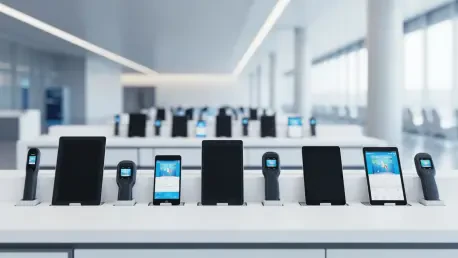
The massive scale of the digital footprint at Southwest Airlines serves as the primary catalyst for this automated revolution, reflecting a broader trend of total digitization across the carrier’s operations. Over the last decade, the company successfully transitioned from paper-heavy manual processes to a fully digitized workflow for its 72,000 employees. Approximately two-thirds of this workforce operates on the front lines, including pilots, flight attendants, maintenance crews, and gate agents who rely on a massive fleet of nearly 100,000 devices. This inventory includes 50,000 tablets and smartphones, 20,000 laptops, and 15,000 desktop PCs scattered across various airports and maintenance hangars. Managing such a high volume of endpoints presents a logistical challenge that traditional IT departments struggle to meet without significant expansion. The transition has replaced physical flight manuals and clipboards with digital interfaces that must remain operational around the clock to prevent grounding flights or stalling baggage handling.
In an environment where every minute counts toward the bottom line, a frozen gate computer or a malfunctioning tablet can cause a ripple effect of delays across the entire national flight schedule. Because frontline workers often lack the time to file formal support tickets or wait for a technician to arrive, many technical issues previously went unreported, leading to a phenomenon known as the “silent sufferer.” These employees would often attempt their own workarounds, such as frequent reboots or switching to backup devices, which only masks the underlying software or hardware degradation. This lack of visibility into the actual user experience created a gap between what IT departments perceived as a stable system and the reality of daily operational friction. By identifying this gap, the airline recognized that maintaining a competitive edge in 2026 requires more than just high-quality aircraft; it requires a digital infrastructure that is as reliable as the engines powering the fleet, necessitating a move toward autonomous system management.
Transitioning to a Preventive Operations Model
To address these systemic challenges, Southwest implemented a sophisticated DEX platform that provides deep, real-time visibility into the performance of every device and application in the network. This technology allows the IT team to move away from a “ticket-driven” model, where help is only dispatched after a failure occurs, to a preventative model that anticipates needs. By establishing dedicated DEX operations and engineering teams, the airline can now monitor the health of every device in the network simultaneously. These teams use automated scripts and complex workflows to fix common issues without any human intervention. This shift ensures that the digital tools provided to employees are not just functional, but optimized for the specific demands of their roles. The focus has moved from merely fixing broken machines to ensuring a seamless interaction between the employee and the technology, which directly translates to better service for the millions of passengers who fly with the carrier each year.
These “remote actions” have proven to be incredibly efficient, particularly in managing the common but disruptive issue of disk space on shared office PCs. Rather than engaging in a costly hardware replacement program to install larger hard drives, which would have required significant capital and labor, Southwest programmed automated workflows to manage data locally. Because back-office PCs are often shared by dozens of employees, Microsoft 365 profiles can quickly fill up storage, leading to system crashes and sluggish performance. The automated system now identifies and deletes inactive user profiles based on specific timeframe triggers, effectively solving a hardware-level capacity problem with a software-based logic. This intervention saved the company substantial capital expenditure while keeping devices running smoothly. This type of proactive management demonstrates how software intelligence can extend the lifecycle of existing hardware, proving that automation is as much a financial strategy as it is a technical one for modern enterprises.
Scaling Efficiency with Self-Healing Systems
The impact of this automated approach is measurable and vast, with the airline executing over one billion remote actions as the program matured toward 2026. These interventions saved an estimated 13,000 hours of employee productivity in the initial stages, a figure that has continued to climb as more complex workflows are added to the system. Beyond simple maintenance, these systems provide “self-healing” capabilities that operate in the background. For instance, if the software responsible for security updates becomes stuck or corrupted, the system can automatically restart the service, repair the installation, or reinstall the client without the user ever knowing there was a problem. This ensures that the security posture of the entire airline remains intact across the fleet without requiring manual audits by IT staff. The ability of the network to repair itself reduces the noise for the IT department, allowing human engineers to focus on higher-level architectural improvements rather than repetitive troubleshooting.
Integration with administrative platforms further enhances this ecosystem by automatically generating support tickets based on specific telemetry triggers from the devices themselves. For example, if a specific laptop experiences multiple system crashes within a single twenty-four-hour period, the system flags it for immediate attention from a technician. This proactive ticketing addresses the “silent sufferer” problem by forcing IT attention onto failing hardware before it reaches a state of total failure. This ensures that workers are always equipped with reliable tools, and it eliminates the productivity loss associated with recurring technical glitches that employees might otherwise ignore. By shifting the burden of reporting from the human to the machine, Southwest has created a feedback loop that prioritizes hardware health based on actual performance data. This data-driven approach allows for more precise resource allocation, ensuring that the most critical devices in the most high-pressure environments receive the most immediate care.
Integrating Generative AI and Strategic Governance
Southwest is also exploring the potential of Large Language Models (LLMs) to boost the productivity of its IT analysts and frontline staff through conversational interfaces. Using AI-driven assistants, engineers can now use natural language queries to diagnose fleet health, asking the system to identify all devices in a specific region that are running outdated firmware or experiencing high latency. Furthermore, the introduction of a new tool called “Spark” provides employees with guided remediation steps directly on their devices. This self-service model empowers workers to solve their own technical hitches in the moment, such as resetting a network configuration or clearing an application cache, without needing to call a help desk. This not only speeds up the resolution time for the individual employee but also significantly reduces the volume of low-level calls that can overwhelm a central service desk. The AI acts as a digital concierge, bridging the gap between complex technical systems and the non-technical workers who rely on them.
Despite the rapid adoption of these technologies, the airline maintains a cautious and objective approach regarding AI governance and operational reliability. Recognizing the high-stakes nature of the aviation industry, where errors can have significant safety and financial implications, Southwest has implemented strict guardrails to ensure that automation remains secure. There is a clear emphasis on human-in-the-loop oversight for critical system changes, ensuring that while the AI can suggest and execute many tasks, the ultimate authority remains with qualified engineers. By focusing on the digital employee experience as a core metric, the airline is successfully transforming its IT department into a proactive engine of operational stability. This balance of innovation and caution is essential for navigating the complexities of modern airline management. The goal remains the same: using technology to remove obstacles, thereby allowing the human element of the airline—its pilots, crew, and agents—to provide the best possible experience for travelers.
Expanding the Frontiers of Operational Resilience
The transition to an automated IT maintenance model served as a blueprint for other large-scale organizations looking to harmonize human labor with complex digital environments. By moving toward a self-healing infrastructure, Southwest successfully mitigated the risks associated with technical debt and aging hardware. One of the primary takeaways from this shift was the necessity of unified monitoring, which combined telemetry from hardware, software, and user sentiment into a single, actionable dashboard. Organizations following this path learned that technical reliability is not merely about up-time, but about the quality of the interaction between the worker and the tool. This required a cultural shift within the IT department, where the focus moved from managing assets to managing experiences. Future implementations of this strategy will likely involve even deeper integration of AI to predict hardware failures weeks in advance, allowing for maintenance to be scheduled during planned downtime rather than responding to emergency outages.
Strategic focus on digital employee experience provided a sustainable solution to the growing complexity of modern enterprise networks. The airline’s success demonstrated that investing in automated remediation tools could yield a significant return on investment through both capital savings and improved workforce morale. Moving forward, the industry must continue to refine the governance structures that oversee these autonomous systems to ensure transparency and security. The use of diagnostic assistants and automated ticketing systems became standard practice, effectively ending the era of the “silent sufferer” and replacing it with a proactive culture of technical excellence. By treating IT health as a foundational element of operational flight success, the organization ensured that its digital transformation was not just a temporary upgrade, but a permanent evolution. This model showed that when technology is managed as a self-sustaining ecosystem, it becomes a powerful catalyst for broader business efficiency and long-term resilience.