
Traditional medical models often rely on infrequent clinical visits that fail to capture the daily physical and cognitive realities of aging patients in real-time. This structural gap creates a fragmented understanding of senior health, often leading to reactive measures rather than proactive management. To address this deficiency, researchers at the University of Florida have launched G-CARE, a digital initiative designed to monitor elders through pervasive technology. Led by experts from the College of Medicine and the Department of Computer & Information Science & Engineering, the program shifts the focus from the clinic to the home. By utilizing the devices already present in most households, the research team aims to provide a continuous stream of objective data that informs personalized care strategies. This transition is essential as the global population of older adults continues to grow, placing pressure on existing healthcare systems currently ill-equipped to handle chronic conditions.
Leveraging Mobile Technology: Continuous Care Models
Transforming Smartphones and Wearables: Medical Tools
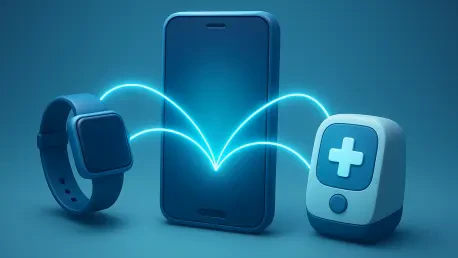
The core of the G-CARE initiative revolves around a sophisticated smartphone platform that serves as a centralized hub for health data processing and user interaction. Unlike previous iterations of remote monitoring that required cumbersome, specialized hardware, this system leverages the power of consumer electronics to ensure higher compliance and ease of use. The primary collection tool is a high-performance smartwatch equipped with precise sensors capable of tracking micro-movements. These wearables transmit raw data to a smartphone, where the information is refined and categorized through advanced processing techniques. This hub-and-spoke model minimizes the cognitive load on the patient, as the devices perform their duties in the background without requiring constant manual input. By integrating these tools into the daily routine, the system captures an authentic representation of a senior’s mobility and physiological state, providing a level of detail previously unattainable.
Real-Time Analysis: Safety Interventions
Beyond the passive observation of health trends, the G-CARE system facilitates context-aware responses known as “just-in-time” interventions. If the underlying software detects an event such as a hard fall or a sudden change in gait, it can trigger an automated check-in via the smartwatch interface. This interaction allows the user to confirm their safety or request assistance with a single tap, bridging the gap between an incident and the arrival of help. Such real-time responsiveness is crucial for seniors living alone, as it provides a safety net that operates 24 hours a day without the need for constant human supervision. Moreover, these prompts serve as a valuable source of self-reported data, helping clinicians understand the context surrounding specific events, such as whether a fall occurred due to a trip or a dizzy spell. This immediate feedback loop enhances the safety of the individual while providing high-fidelity data points that assist in refining long-term treatment plans.
A Holistic Framework: Expanding Geriatric Reach
Addressing the Five Ms: Geriatric Health
A defining characteristic of the G-CARE project is its strict adherence to the “five Ms of geriatrics,” which provides a comprehensive framework for managing the health of older adults. This includes focusing on Mobility, Medications, Mind, Multi-complexity, and What Matters Most, ensuring that every technological intervention serves a specific clinical purpose. By monitoring mobility, the system tracks walking speed and fall risks, while the medication component helps identify adherence issues or adverse reactions in real-time. The “Mind” category involves remote cognitive assessments to detect signs of dementia or depression, while the “Multi-complexity” aspect addresses the reality that many seniors deal with multiple overlapping conditions simultaneously. Finally, the platform respects “What Matters Most” by aligning health goals with the individual’s personal values and specific lifestyle preferences to maintain long-term independence.
Enhancing Research Equity: Collaborative Innovation
One of the most significant advantages of the G-CARE initiative is its potential to improve healthcare equity by making clinical research more accessible to diverse populations. Historically, participating in high-level medical studies often required frequent travel to large academic centers, which inadvertently excluded those living in rural areas or individuals with limited transportation. This project is a robust collaboration between the University of Florida, the University of Alabama at Birmingham, and Emory University, aiming to build a scalable infrastructure. By utilizing smartphone-based monitoring, the research team can now enroll participants from a wide range of geographic and socioeconomic backgrounds, ensuring that the study results are representative of the general population. As the research continues from 2026 to 2028, the team remains focused on refining the technology to ensure it is both cost-effective and easy to deploy for underserved communities.
Advancing the Future: Strategic Outcomes
The G-CARE project established a critical foundation for the transition toward ubiquitous computing in geriatric medicine. By successfully turning everyday mobile devices into advanced health monitors, the researchers provided a viable path forward for the proactive management of aging populations. The initiative demonstrated that remote monitoring could effectively bridge the gap between clinical snapshots and the continuous reality of patient life, leading to more timely interventions and reduced hospitalizations. Moving forward, the focus shifted toward the broader integration of these tools into standard primary care practices and insurance models. Stakeholders across the healthcare industry began to recognize the long-term value of investing in preventative digital infrastructure rather than relying solely on high-cost emergency treatments. The success of this platform suggested that the future of elder care would be defined by its ability to remain invisible yet omnipresent for the individual.