
The wearable technology sector has reached a pivotal moment where the distinction between budget fitness trackers and premium smartwatches continues to blur as advanced biometric sensors become standard. Recent regulatory activity across international certification bodies has signaled that the release of the Xiaomi Smart Band 11 is imminent, following its appearance in several global databases under a distinct model identification. These filings, spanning from Southeast Asian telecommunications authorities to European regulatory agencies, suggest a synchronized international rollout that aims to capture a broader market share during the current sales cycle. For enthusiasts and casual users alike, this development represents more than just an incremental upgrade; it reflects a strategic shift in how mass-market wearables are designed to integrate with modern lifestyle needs. As the company prepares for the official unveiling, the focus remains on how this specific iteration will differentiate itself in a crowded marketplace where functionality often outweighs brand loyalty.
Hardware Evolution: Display and Design Enhancements
Significant enhancements in screen technology remain the cornerstone of this series, with the latest filings hinting at a refined AMOLED panel that offers superior visibility even in direct sunlight. This new display is expected to feature a higher refresh rate compared to previous generations, ensuring that UI animations and scrolling through health data feel fluid and responsive to the user. Beyond the visual appeal, the hardware construction appears to emphasize durability while maintaining the lightweight profile that has made this specific line of trackers a global success. Industry analysts point to a possible transition toward high-grade aluminum or reinforced polycarbonate for the main housing, which provides a premium tactile experience without adding unnecessary bulk to the wrist. Such materials not only enhance the aesthetic quality but also contribute to the device’s structural integrity during high-intensity sports or everyday accidents. This design philosophy aligns with the growing demand for devices that transition seamlessly from gym settings to formal environments.
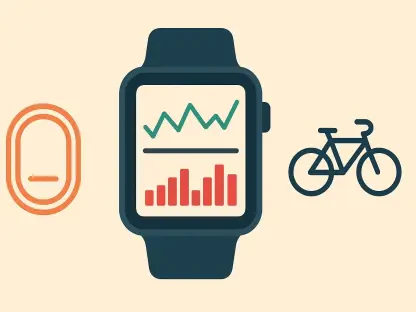
Accompanying the aesthetic refinements is a suite of sophisticated health-monitoring sensors that are designed to provide clinical-grade data accuracy for the everyday consumer. The integrated biometric array likely includes upgraded optical heart rate monitors and pulse oximetry sensors that operate with greater power efficiency than those found in the 2025 models. Furthermore, the inclusion of advanced sleep stage tracking and stress analysis tools indicates a commitment to holistic wellness rather than simple step counting. Battery life has always been a primary selling point for this ecosystem, and the internal components are reportedly optimized to provide up to twenty days of typical usage on a single charge. This longevity is achieved through a combination of larger cell capacity and the implementation of more efficient power management protocols within the operating system. When combined with fast-charging capabilities that allow for a full day of use after just a few minutes on the magnetic cradle, the hardware package becomes a compelling proposition for those seeking a low-maintenance lifestyle companion.
Software Ecosystem: Connectivity and Market Strategy
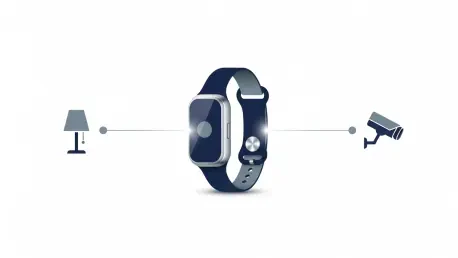
Connectivity and software integration have become the new battleground for wearable devices, particularly as HyperOS continues to expand its footprint across a diverse range of smart products. The upcoming smart band is anticipated to offer deeper synchronization with the broader home automation environment, allowing users to control lights, security cameras, or media playback directly from their wrists with minimal latency. This level of interoperability is facilitated by the latest Bluetooth standards, which ensure stable connections and faster data transfer rates when syncing with a primary smartphone. Moreover, the global variant is expected to support a wider array of localized applications and payment services, bridging the gap that previously existed between different regional versions. By focusing on a unified software experience, the manufacturer aims to create a sticky ecosystem where the wearable serves as a central hub for personal notifications and environmental control. This approach not only enhances the utility of the hardware but also strengthens the competitive advantage against rivals who lack a comparable cross-device platform.
Strategic market positioning ensured that this release targeted the sweet spot between affordability and high-end performance, effectively pressuring competitors to reconsider their pricing models. Consumers who looked for a reliable entry point into the smart wearable space found that waiting for this specific iteration yielded significant dividends in terms of sensor accuracy and software longevity. The proactive step for potential buyers involved assessing their existing hardware ecosystem to ensure maximum compatibility with the new features introduced in this model. Moving forward, the industry observed a clear trend where modularity and software updates played a larger role in product life cycles than mere hardware changes. Developers focused on refining the data visualization within the companion application, making it easier for users to turn raw metrics into actionable lifestyle adjustments. Ultimately, the successful deployment of this device demonstrated that refined engineering and thoughtful software integration remained the primary drivers of consumer satisfaction. The transition toward more sustainable materials also provided a blueprint for future hardware development across the entire consumer electronics industry.