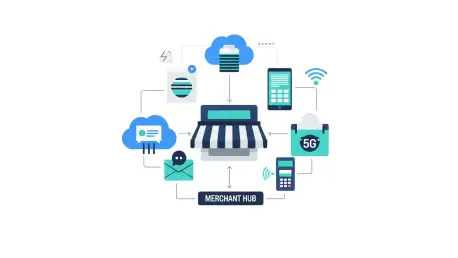

The landscape of small and medium enterprise operations has shifted toward a model where seamless connectivity and integrated digital payment solutions are no longer luxury items but fundamental requirements for survival in a competitive market. As traditional brick-and-mortar stores face increasing pressure to adopt omnichannel strategies, the complexity of managing disparate technical services often becomes a significant barrier to growth. U Mobile has addressed this specific pain point by introducing a comprehensive suite designed to consolidate critical business functions into a single manageable platform. This new offering represents a shift in how telecommunications providers interact with the SME sector, moving beyond basic data plans to provide an end-to-end operational ecosystem. By focusing on the intersection of reliable 5G connectivity and financial technology, the service aims to reduce the friction associated with digital transformation. Small business owners can now access tools that previously required expensive specialized consultants, effectively democratizing high-level technology for everyone. This rollout signifies a pivotal moment for local merchants seeking to scale their operations efficiently while maintaining lean overhead costs through smarter integration.
Unified Business Management: The Core of Merchant 360
Central to this initiative is the consolidation of payment processing and inventory tracking within a unified digital interface that allows business owners to monitor real-time sales performance. Instead of juggling multiple hardware terminals for different card types and mobile wallets, the system provides a singular solution that accepts a wide variety of payment methods, including the latest QR-based and NFC technologies. This integration ensures that every transaction is immediately logged and reflected in the inventory count, preventing the common issue of overselling or stock discrepancies that plague smaller retailers. Moreover, the platform offers deep analytical insights into customer purchasing patterns, which helps merchants tailor their marketing efforts and stock levels to meet actual demand. By automating these traditionally manual processes, the service frees up valuable time for business owners to focus on customer engagement and strategic planning. The intuitive nature of the dashboard means that even those with limited technical expertise can navigate the features without extensive training or IT support.
Furthermore, the platform incorporates advanced customer relationship management tools that enable personalized loyalty programs and targeted promotional campaigns based on verified transaction data. Businesses can now identify their most frequent visitors and reward them through automated systems, fostering long-term brand loyalty without the need for physical punch cards or manual databases. This data-driven approach allows for a level of precision in marketing that was once exclusive to large corporations with massive technology budgets. In addition to loyalty features, the system provides robust security protocols to protect both merchant and customer data, ensuring compliance with current financial regulations and privacy laws. The inclusion of cloud-based storage means that all records are safely backed up and accessible from any location, providing business owners with the flexibility to manage their shops remotely. This comprehensive oversight is particularly beneficial for businesses with multiple branches, as it allows for centralized management of all outlets through a single login, creating a streamlined operational workflow that enhances overall efficiency.
Strategic Implementation: Lessons From the Digital Rollout
The deployment of this network infrastructure provided the stability required for merchants to maintain continuous operations without the risk of significant digital downtime. It was observed that businesses utilizing the high-speed 5G backbone experienced a substantial reduction in transaction failures, which directly improved the consumer experience at the point of sale. The package effectively combined specialized business-grade hardware with priority network access, ensuring that critical data transfers remained uninterrupted during high-traffic periods. This infrastructure allowed small businesses to compete more effectively with larger chains by offering a similar level of technical reliability and professional service. As the digital environment evolved, the scalability of the setup ensured that increasing data demands did not compromise existing workflows. Merchants found that the transition to a more integrated connectivity model paved the way for adopting more complex inventory solutions and real-time cloud analytics. This move transformed the way local businesses interacted with their digital tools, turning connectivity from a simple utility into a strategic asset for growth.
Early adopters of the system demonstrated that a focus on data literacy and staff training was crucial for maximizing the benefits of the new digital tools. By prioritizing the integration of sales data into their broader business strategies, these merchants were able to identify new revenue streams and optimize their inventory turnover rates. Actionable insights derived from the unified platform helped owners make informed decisions about store hours, staffing requirements, and promotional timing based on empirical evidence rather than intuition. It was concluded that the most successful implementations involved a gradual phase-in of advanced features, allowing employees to become comfortable with the software before scaling up complex loyalty programs. For those seeking to replicate this success, the emphasis should remain on maintaining a lean operational structure while utilizing the automated functions to reduce manual errors. Moving forward, the strategy for SMEs involved consistent evaluation of technological needs to ensure that the digital stack continued to support long-term objectives. This proactive approach to technology adoption proved to be the most effective method for securing a stable and prosperous future in the digital economy.