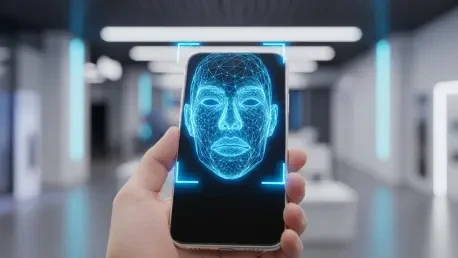

In a society where digital connectivity is as essential as oxygen, the rising tide of sophisticated voice phishing schemes has forced South Korean regulators to rethink the very foundations of mobile identity verification. The Ministry of Science and ICT recently announced a sweeping initiative to mandate facial recognition for all new mobile phone registrations, moving away from traditional certificate-based systems. This transition requires users to provide a live facial scan that is cross-referenced against government-issued ID photos in real-time. By implementing this biometric wall, the government seeks to neutralize the threat of “burner phones”—devices registered under fraudulent or stolen identities that serve as the primary tools for cybercriminals. While the promise of enhanced national security is compelling, the path toward a July rollout is fraught with significant logistical challenges, legal debates, and technical disparities that could determine whether this high-tech solution truly ends the era of rampant telecommunications fraud or merely creates a new set of digital vulnerabilities for the public.
Navigating Regulatory and Privacy Roadblocks
Opposition from Data Privacy Authorities
The primary resistance to the new facial recognition mandate stems from the Personal Information Protection Commission, which serves as the central authority for data rights in the country. This agency has expressed deep concerns regarding the sensitive nature of biometric data, arguing that facial features are immutable and cannot be changed if a leak occurs, unlike passwords or identification numbers. Because of this permanence, the commission insists that the government must apply the highest possible standards of data security and encryption before the system is allowed to go live. There is a fear that once a centralized database of facial templates is established, it could become a high-value target for hackers, potentially leading to identity theft on an unprecedented and irreversible scale. The privacy watchdog emphasized that the fundamental rights of citizens must be weighed carefully against the practical benefits of crime prevention to ensure a balanced approach.
Furthermore, the privacy commission criticized the Ministry of Science and ICT for allegedly bypassing critical safety evaluations during the initial pilot phases of the project. Experts from the commission pointed out that mandatory biometric collection requires a rigorous Privacy Impact Assessment to determine how data is stored, who has access to it, and how long it remains in the system. By skipping these essential reviews, the government may have overlooked potential flaws in the verification software that could lead to false positives or unauthorized data harvesting by third-party contractors. This tension highlights a significant rift between the push for rapid technological modernization and the necessity of maintaining a robust legal framework that protects individual privacy. Without the explicit endorsement of the primary data regulator, the rollout risks facing legal injunctions or a complete loss of public trust before it even begins to function at a national level.
The Debate Over Legislative Changes
To provide a firm legal basis for the biometric mandate, the Ministry is currently working to amend the enforcement decree of the Telecommunications Business Act. This legislative maneuver is designed to grant mobile carriers the legal authority to access and verify biometric data against the Ministry of Interior and Safety’s database. By formalizing this process, the government hopes to create a seamless verification loop where a retail employee can instantly confirm a customer’s identity without relying on easily forged physical documents. However, this approach has drawn criticism from legal experts who argue that such significant changes to personal data handling should be debated openly in the National Assembly rather than being implemented through administrative decrees. There is a growing concern that using executive shortcuts to bypass legislative scrutiny sets a precedent for future government overreach in the digital realm.
Beyond the procedural issues, the ethical implications of mandatory biometric verification remain a point of intense debate among human rights advocates and legal scholars. Critics argue that forcing every citizen to submit to facial recognition to obtain a basic utility like a mobile phone constitutes an infringement on the right to anonymity and digital autonomy. They suggest that the government has not adequately explored less invasive alternatives, such as enhanced multi-factor authentication or blockchain-based identity solutions. There is also a lingering concern about “mission creep,” where a system originally designed to combat phone fraud could eventually be expanded for broader surveillance or social tracking purposes. As the July deadline approaches, the Ministry faces the daunting task of convincing both the public and the legal community that these measures are a necessary and proportionate response to the evolving threat of telecommunications crime.
Technical Implementation and Market Disparities
Infrastructural Gaps Between Carriers
A significant hurdle for the nationwide deployment of facial recognition is the massive technological divide between South Korea’s dominant mobile providers and the smaller budget carriers known as MVNOs. The three major telecommunications companies have already invested heavily in the necessary hardware, such as high-definition cameras and secure server links, to support live biometric capture at their physical retail locations. These established giants possess the financial resources and technical staff to implement the system smoothly across their networks. In contrast, many budget carriers operate with minimal overhead and often lack a physical presence, relying instead on online portals or third-party convenience stores for registration. This lack of standardized infrastructure means that the biometric mandate could be applied inconsistently across the market, leaving certain segments of the industry more vulnerable to exploitation.
The disparity in readiness suggests that the system may only launch partially, which could inadvertently create a safe haven for fraudsters in the budget mobile sector. Criminal organizations are known for their adaptability; if they find that large carriers have implemented strict facial recognition, they will likely migrate their operations to the smaller providers that still rely on older, less secure verification methods. This “waterbed effect” could undermine the entire initiative, as the most vulnerable channels—those favored by scammers for their ease of access—remain the most poorly protected. To address this, the government must find a way to subsidize the necessary technology for smaller players or provide a centralized verification API that all companies can use. Without a unified front across the entire telecommunications landscape, the facial recognition system will be like a high-tech lock on a door with a broken window.
Excluded Demographics and Alternative Methods
The current rollout strategy has also come under fire for its failure to provide an inclusive framework for foreign nationals living in or visiting the country. In the initial phase, the biometric verification system is primarily designed to cross-reference data from domestic resident registration cards, leaving a significant gap for those using international passports or foreign registration cards. This exclusion creates a glaring loophole, as professional fraudsters could easily target foreign residents or use stolen foreign identities to register burner phones. By failing to integrate international identification data into the facial recognition database from the start, the Ministry risks leaving the door wide open for the very crimes it seeks to prevent. A truly effective security system must be comprehensive, ensuring that every person entering the mobile market is subject to the same rigorous verification standards.
In addition to the challenges faced by foreign nationals, the government has yet to finalize a reliable alternative for citizens who cannot participate in digital biometric scanning. This includes the elderly, who may struggle with smartphone-based verification, and individuals whose physical appearance has changed significantly due to medical conditions, accidents, or aging since their official ID photo was taken. Without a robust “Plan B” that allows for manual verification by trained officials, these groups could find themselves digitally disenfranchised and unable to access essential communication services. The transition to a biometric-first registration model requires more than just technology; it demands a flexible policy framework that accounts for the diverse needs of the entire population. Ensuring that no citizen is left behind is essential for maintaining the social equity and public cooperation required for such a massive technological shift.
Establishing a Path Toward Secure Identity
The government successfully initiated the preliminary groundwork for a more secure telecommunications environment, yet the journey toward a fraud-free future remains incomplete. While the move toward biometric verification addressed many historical weaknesses in identity management, stakeholders recognized that technology alone cannot serve as a panacea for complex social crimes. To build on this foundation, authorities focused on creating a standardized, high-security API that allowed even the smallest budget carriers to verify identities without incurring prohibitive costs. This proactive step ensured that no segment of the market remained an easy target for criminal groups. Furthermore, the introduction of clear data deletion protocols helped alleviate public anxiety regarding the long-term storage of facial templates, reinforcing the idea that security and privacy can coexist when governed by transparent and accountable policies.
As the system matured, the focus shifted toward expanding inclusivity and refining the accuracy of the matching algorithms to reduce false rejection rates. Policymakers implemented specialized verification channels for foreign nationals and the elderly, ensuring that the digital wall against fraud did not become a barrier to legitimate service access. Looking ahead, the integration of decentralized identity solutions could provide an even more robust layer of protection, allowing citizens to control their biometric data while still satisfying government security requirements. The lesson learned from this transition was that lasting security is built on a tripod of advanced technology, equitable policy, and unwavering public trust. By continuing to refine these elements, South Korea established a global benchmark for how a modern nation can protect its citizens from the persistent and evolving threats of the digital age.