
Audiophiles and professional creators still find few alternatives to the high-fidelity 32-bit Quad DAC hardware that once defined LG’s commitment to superior mobile audio quality. The current smartphone landscape is dominated by a sea of nearly identical rectangular slabs that prioritize safe, iterative updates over radical hardware experimentation. While mainstream manufacturers have perfected the assembly of thin glass and metal, they have simultaneously moved toward a homogenized user experience that often ignores the specific needs of niche communities. For those who remember the bold risks taken during the previous decade, the absence of a truly disruptive player is palpable. This stagnation has created a vacuum where features once dismissed as quirky or unnecessary are now being re-evaluated through a lens of modern utility. As the industry faces diminishing returns on traditional performance metrics, the prospect of a return from a brand willing to challenge the status quo is becoming increasingly attractive for enthusiasts.
Rethinking the Multi-Display Interface
Practical Multitasking: A Middle Ground
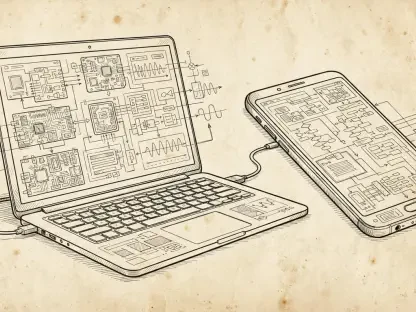
The concept of the dual-screen interface represents a highly practical middle ground for users who are still hesitant to embrace the current generation of flexible folding glass. Despite the advancements seen in recent years, the high cost of entry and the inherent fragility of internal foldable displays remain significant barriers for a large portion of the consumer market. A modular approach, utilizing a secondary display as a detachable accessory, provides the multitasking benefits of a larger canvas without compromising the structural integrity of the primary device. This design philosophy allows a phone to function as a standard flagship for daily tasks while transforming into a productivity powerhouse when docked. Furthermore, the ability to replace a secondary screen independently of the main unit offers a level of repairability and cost-efficiency that modern foldables simply cannot match in the current technological climate. This modularity ensures that the device remains useful for years.
Modular Designs: Stability and Performance
While the swivel mechanism of the original Wing was initially viewed as an overly ambitious experiment, its design aligns perfectly with the explosive growth of the mobile creator economy. Professional streamers and mobile videographers require specialized interfaces that allow for simultaneous recording and interaction, a task that remains cumbersome on traditional single-pane displays. A modern iteration of the T-shaped form factor would provide a dedicated surface for gimbal controls, live chat windows, or video editing timelines without obstructing the primary viewport. Since Android software has evolved significantly to handle complex window management and multi-display layouts, the technical hurdles that once hampered this unique hardware have largely been overcome. By positioning such a device as a dedicated tool for digital content production rather than a general-purpose gadget, a revived mobile division could capture a highly loyal and lucrative segment of the creative professional market.
Solving Modern Ergonomic and Durability Challenges
Innovative Layouts: One-Handed Ergonomics
As flagship smartphones continue to expand their physical dimensions to accommodate larger batteries and advanced camera arrays, the issue of ergonomic reachability has become a persistent frustration for users. The legacy of placing primary physical controls on the rear of the device, beneath the camera module, offered a solution where the index finger naturally rests, facilitating effortless one-handed operation. In the current era of bezel-less screens that offer very little tactile feedback, integrating advanced biometric sensors and customizable shortcuts into rear-mounted buttons would provide a level of accessibility that is missing from today’s side-heavy designs. This layout not only reduces the risk of accidental drops by ensuring a more secure grip but also allows for a cleaner aesthetic on the sides of the device. Focusing on human-centric design rather than following industry-wide aesthetic trends would allow a returning player to differentiate itself through genuine comfort.
Material Science: Self-Healing Resilience
Durability remains a critical concern for consumers who are increasingly tired of the planned fragility inherent in modern glass-backed smartphones. The previous introduction of self-healing polycarbonates was a revolutionary step that allowed devices to recover from micro-scratches and surface abrasions automatically, maintaining a pristine look without the need for protective cases. In the current market, where the aesthetic of a premium phone is often hidden behind bulky silicone or plastic covers, a revival of this material science would offer a significant competitive advantage. Combining these self-repairing properties with modern, high-impact ceramic coatings and shatter-resistant glass would create a life-proof flagship capable of withstanding the rigors of daily use. Such a focus on long-term physical resilience would resonate deeply with users who value the intersection of premium design and practical longevity, moving away from the disposable nature of current consumer electronics.
Aligning with Sustainability and Audio Standards
User Sovereignty: Sustainable Battery Solutions
The landscape of mobile hardware is currently being reshaped by stringent environmental regulations, particularly those originating from the European Union regarding battery accessibility. These mandates, which require batteries to be easily replaceable by consumers in the window from 2026 to 2028, have essentially validated a design philosophy that was once considered obsolete. Reintroducing a flagship device with a user-removable battery would not only ensure compliance with upcoming global sustainability standards but also provide a direct response to the growing Right to Repair movement. This feature allows users to instantly restore their phone’s runtime to its original state or carry a spare for extended use away from power outlets, bypassing the limitations of fast charging. By embracing this level of user sovereignty, a brand can build immense trust with a consumer base that is increasingly wary of the environmental impact and short lifespans of modern components.
High-Fidelity Hardware: Specialist Audio Standards
Beyond the realm of sustainability, there is a significant and underserved community that continues to prioritize high-fidelity wired audio in an increasingly wireless world. While most manufacturers have removed the 3.5mm headphone jack to push sales of proprietary wireless earbuds, the demand for professional-grade output remains high among audiophiles and recording engineers. A dedicated hardware stack featuring a high-end DAC and a robust headphone amplifier would immediately establish a device as the premier choice for media consumption and creation. This commitment to audio excellence, when paired with expandable storage for massive lossless music libraries and high-resolution microphones for field recording, creates a comprehensive mobile workstation. By catering to these specific technical requirements, a specialist brand can bypass the commodity wars of the mass market and secure a profitable niche that values hardware performance over brand-name recognition or extreme thinness.
A Strategic Path Forward
Strategic Branding: Targeting Creative Professionals
Success in the current competitive environment requires a departure from the strategy of competing directly with dominant market leaders on every front. Instead of attempting to capture the broadest possible audience with generalized features, a returning manufacturer should double down on its identity as a provider of specialized tools for professionals. This involves a commitment to hardware consistency and long-term software support, areas that were historically challenging but are now essential for maintaining a premium brand image. By focusing on a lean portfolio of high-impact devices that solve specific problems—such as ergonomic fatigue, audio degradation, or limited multitasking capabilities—a brand can cultivate a dedicated following. This approach emphasizes the value of innovation that serves the user rather than innovation for its own sake, creating a distinct market presence that relies on functional superiority and specialized utility rather than massive advertising.
Future Outlook: The Evolution of Mobile Utility
The potential for a high-profile return to the mobile industry required more than just a reliance on nostalgia or a recycled portfolio of previous designs. It involved a careful analysis of the current market gaps and a strategic decision to prioritize the needs of power users over the general public. Leaders in the space recognized that the path forward necessitated a focus on sustainable hardware, such as modular components and user-serviceable batteries, to align with evolving international regulations. By integrating these practical solutions with high-fidelity audio and innovative ergonomics, the groundwork was laid for a new era of diverse mobile technology. The industry benefited from the reintroduction of a competitor that valued experimentation over safety, ultimately forcing all manufacturers to reconsider the importance of hardware variety. This shift demonstrated that the most effective way to engage modern consumers was through a commitment to durability, utility, and user empowerment.