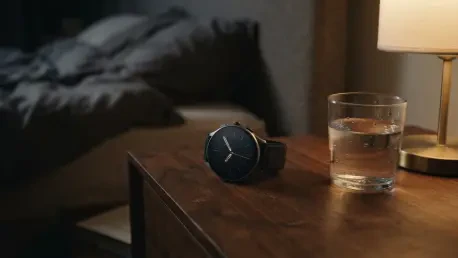

While flagship smartwatches from major tech firms often require daily charging, Amazfit offers a practical alternative for users who prioritize long-term power efficiency. This fundamental shift in consumer expectations toward operational longevity rather than just raw processing power has allowed Zepp Health to carve out a significant niche in the global market. By focusing on the essential pillars of health tracking and aesthetic versatility, these devices manage to bridge the gap between basic fitness bands and prohibitively expensive luxury smartwatches. The current market is seeing a surge in demand for hardware that respects the user’s time, specifically by eliminating the anxiety associated with a battery that might not last through a weekend trip or an outdoor excursion. Consequently, the brand has positioned itself as a market disruptor by proving that a sophisticated user interface does not always require a compromise in uptime. As consumers in 2026 seek more reliable tools, this focus on efficiency has become a defining characteristic.
Engineering for Endurance: The Battery and Design Equation
The physical architecture of the current lineup reflects a sophisticated understanding of diverse consumer preferences, ranging from the sleek, square silhouettes of the Active series to the rugged, circular chassis of the T-Rex 3. These design choices are not merely cosmetic; they encapsulate a hardware philosophy that prioritizes durability and energy conservation. Unlike the power-hungry displays and background processes found in many high-end competitors, these devices utilize a proprietary operating system optimized for minimal power consumption. This engineering feat allows certain models to achieve an impressive operational window of up to twenty-five days on a single charge. Such longevity is particularly beneficial for outdoor enthusiasts and professional athletes who may find themselves far from a power source for extended periods. By integrating high-resolution AMOLED screens with efficient power management chips, the brand manages to provide a vibrant visual experience without the traditional battery penalties associated with such technology.
Another cornerstone of the value proposition is the seamless integration across different mobile operating systems, which serves as a refreshing departure from the walled-garden approach of industry titans. Whether a user is operating within an Android environment or utilizes an iOS device, the Zepp application provides a consistent and feature-rich interface for managing health data and device settings. This flexibility ensures that consumers are not tethered to a specific brand of smartphone when they decide to upgrade their wearable hardware. Building on this foundation, the inclusion of multi-band GPS and comprehensive sensor arrays allows for precise tracking of movement and biological metrics in various environments. This cross-platform utility, combined with the extreme battery life, creates a compelling argument for users who value functional independence. As the wearable market continues to mature in 2026, the ability to switch between mobile ecosystems without losing historical health data has become a critical factor for long-term user retention.
Functional Integration: Health Analytics and Software Realities
Beyond the impressive hardware specifications, the functional core of the experience lies in its robust health monitoring suite, which operates without the recurring burden of monthly subscription fees. This approach is increasingly rare in an industry where many manufacturers lock advanced data analysis behind a paywall. The devices utilize a sophisticated array of sensors to track heart rate variability, blood oxygen saturation, and sleep cycles with high precision. To help users make sense of this data, the Zepp Coach AI provides personalized training recommendations and recovery insights based on individual performance metrics. This integration of artificial intelligence transforms raw data into actionable advice, making the technology accessible to both casual fitness enthusiasts and serious marathon runners. Furthermore, the inclusion of over one hundred distinct sports modes ensures that almost any physical activity can be accurately logged and analyzed. This commitment to data transparency empowers users to take full control of their wellness journey.
While the benefits of the proprietary operating system are evident in battery performance, this choice necessitates several technical concessions regarding software versatility. The most prominent limitation is the restricted access to a third-party app ecosystem, which means users cannot natively install popular services like Google Maps or Spotify directly on the watch. Unlike competitors running more open platforms, the Zepp OS relies primarily on built-in utilities and a small selection of curated applications. This lack of deep integration with external digital services may be a deterrent for individuals who rely on their smartwatch as a secondary smartphone for complex tasks or mobile payments. Furthermore, the notification system, while functional, lacks the interactive depth found in more expensive alternatives, often serving more as a passive display rather than a communication hub. These trade-offs highlight a focus on fitness and duration over the “mini-computer” approach, which remains a deliberate choice for many users in 2026.
The evaluation of wearable trends indicated that prioritizing battery life and core health metrics provided a superior experience for a specific segment of the population. Individuals who found success with these devices typically moved away from the need for a comprehensive app store in favor of a reliable tool that stayed operational for weeks. For those considering a transition to this ecosystem, the most effective first step involved identifying which specific health metrics were most critical for their personal goals. It was also beneficial to determine if the lack of native third-party music or navigation services would significantly impact daily routines. Prospective users were encouraged to explore the capabilities of the Zepp Coach AI to see if the data-driven approach aligned with their fitness levels. Ultimately, the decision relied on recognizing that a smartwatch did not need to perform every task a smartphone could. By focusing on durability, users enjoyed a high-performance wearable that complemented their lifestyle without a constant need for a charger.