
Samsung’s strategic marketing is characterized by a consistent use of Apple’s product launches and corporate culture as raw material for its own promotional efforts. This long-standing methodology has transformed the competitive landscape of the consumer electronics industry into a theater of calculated adversarial branding. By the middle of 2026, the South Korean conglomerate has refined its playbook into a high-precision instrument that does not merely sell hardware but actively deconstructs the aura of its primary rival. This strategy relies on the constant presence of Apple as a foil, using the immense cultural gravity of the iPhone to pull Samsung’s Galaxy lineup into the center of the global conversation. Rather than competing in a vacuum, Samsung has spent the last fifteen years ensuring that any discussion regarding high-end smartphones inevitably includes a comparison between the two giants. This parasitic yet highly effective marketing model has allowed Samsung to occupy a unique space in the market as the innovative, self-aware alternative to Apple’s perceived corporate rigidity. As the industry currently navigates the complexities of integrated artificial intelligence and modular hardware, the foundational principles of Samsung’s playbook continue to drive its market share and brand loyalty across diverse demographics.
Weaponizing the Cult of Apple
In the early 2010s, Samsung recognized that Apple’s greatest strength was not just its technology, but the fervent devotion of its user base. To counter this, Samsung began targeting the social phenomena surrounding iPhone launches, specifically the “line culture” that saw thousands of people camping outside retail stores. The 2011 “The Next Big Thing” campaign for the Galaxy S II was a watershed moment in tech advertising because it shifted the focus from the product to the person using it. By depicting Apple enthusiasts as being socially and technologically behind the curve, Samsung successfully turned a symbol of brand loyalty into a punchline. This was a high-stakes gamble that paid off by creating a narrative where Samsung users were seen as the early adopters of superior technology while iPhone users were portrayed as being blinded by tradition. This strategic move forced consumers to re-evaluate whether their hardware choices were based on merit or merely on a desire to belong to a specific cultural group.
This period also saw Samsung adopting a tactical approach to brand language by appropriating and subverting Apple’s own terminology. The “It Doesn’t Take a Genius” campaign was a direct assault on the concept of the Genius Bar, suggesting that Apple’s retail and service model was intentionally obtuse and restrictive. By utilizing the rival’s vocabulary, Samsung established itself as an equal player that was not afraid to dismantle the high-walled garden of its competitor. The messaging evolved further by 2015 into a minimalist direct-comparison strategy known as “6 > 6,” which pitted the Galaxy S6 Edge against the iPhone 6. By focusing on specific hardware advantages like wireless charging and curved displays, Samsung removed the need for elaborate narratives and relied on the audience’s existing brand awareness. This phase of the strategy demonstrated a high level of maturity, as Samsung no longer needed to explain its identity to the public; it only needed to illustrate why its engineering was objectively more advanced than that of its rival.
Narrative Comedy: Building a Cinematic Universe
As the competitive landscape matured, Samsung transitioned its marketing efforts into a recurring format of narrative comedy, effectively building a “cinematic universe” of technology satire. One of the most impactful pieces of media in this era was the “Growing Up” commercial released in 2017, which tracked a decade of a protagonist’s frustrations with various iPhone models. The advertisement touched on nearly every major pain point in the Apple ecosystem, from storage limitations to the lack of water resistance and the inconvenient transition to dongles. By framing the switch to a Samsung Galaxy as a logical rite of passage, the campaign invited the audience to reflect on their own history with mobile devices. This long-form storytelling worked because it acknowledged the audience’s lived experience, making the marketing feel less like a sales pitch and more like a shared cultural observation. It successfully positioned Samsung as the destination for those who had finally outgrown the limitations of their previous ecosystem.
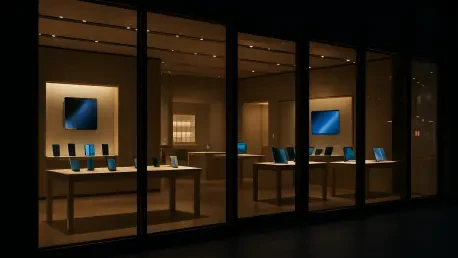
Following this narrative success, the “Ingenius” series in 2018 took the satire even further by creating a fictionalized version of an Apple Store. These short, punchy spots featured customers posing difficult questions to “Geniuses” about features that were standard on Galaxy devices but missing from the iPhone, such as expandable storage and advanced multitasking capabilities. By using the Apple Store’s own aesthetic and service philosophy as a backdrop, Samsung made its advertising feel like an insider joke shared with tech-savvy consumers. This tactic highlighted a fundamental asymmetry in the rivalry: while Apple generally marketed against the broad category of non-Apple products, Samsung was naming and shaming specific flaws in its competitor’s design. This level of specificity allowed Samsung to dominate the technological conversation, as it forced Apple to remain on the defensive or ignore the critiques entirely, which often served to validate Samsung’s claims in the eyes of the public.
Strategic Reversals: Navigating the Danger of Mockery
The aggressive nature of Samsung’s reactive playbook has not been without its logistical and reputational drawbacks, particularly when industry trends have forced Samsung to follow Apple’s lead. A notable trend in this period was the rise of “receipt culture,” where internet users would unearth past Samsung advertisements to mock the company when it eventually adopted the same hardware changes it once criticized. This occurred most visibly when Samsung deleted ads that had mocked Apple for removing the headphone jack and the wall charger from iPhone packaging. When Samsung eventually implemented these same changes to streamline its own supply chain and logistics, the previous humor became a liability. This highlights a critical lesson for modern marketers: competitive satire based on transient hardware features carries a high risk of backfiring. If a brand eventually aligns with the very industry standard it once ridiculed, it risks losing the perceived moral and technological high ground it worked so hard to establish.
Despite these occasional reversals, Samsung continued to innovate in its competitive tactics by shifting toward utility-based experiences through campaigns like “iTest.” Instead of merely telling iPhone users that the Samsung interface was better, the company provided a web-based simulation that allowed them to experience the Galaxy software on their current Apple hardware. This ingenious move transformed the competitor’s most prized asset—the iPhone itself—into a demo screen for Samsung’s software ecosystem. By lowering the barrier to entry and allowing users to “try before they buy” without visiting a physical store, Samsung bypassed the traditional friction associated with switching operating systems. This transition from ridicule to simulation marked a significant evolution in the playbook, moving beyond simple criticism to provide a tangible pathway for conversion. It proved that the most effective way to beat a competitor is not always to mock their product, but to demonstrate how easily it can be replaced by something more versatile.
Real-Time Engagement: Hijacking the Global Conversation
In the current landscape of 2026, Samsung has refined the art of real-time social media sniping, turning Apple’s own launch events into high-value media inventory for the Galaxy brand. During the announcements of the most recent iPhone iterations, Samsung Mobile has consistently utilized a high-speed social media strategy to frame its competitor as being technologically stagnant. For instance, the recurring phrase “Let us know when it folds” has become a powerful tool for instantly dating Apple’s new releases. This tactic is remarkably cost-effective because it capitalizes on the massive audience already tuned in to Apple’s keynote, essentially hijacking the conversation for a fraction of the cost of a traditional television buy. By identifying a clear technological gap, such as foldable screens, Samsung is able to position Apple as a laggard regardless of whatever other incremental improvements are introduced. This ensures that the primary takeaway from an Apple launch is often what the new device is still unable to do.
Samsung has also demonstrated an ability to act as a culturally sensitive alternative to Apple’s perceived corporate coldness, as seen in the “UnCrush” response to Apple’s “Crush!” iPad Pro controversy. When Apple faced backlash for an advertisement that depicted the destruction of creative tools, Samsung quickly produced a video showing that creativity should be nurtured rather than compressed. This move showcased a more agile and empathetic version of the Samsung playbook, where the brand positions itself as the champion of the consumer’s emotional and creative needs. By reacting to Apple’s cultural missteps with speed and precision, Samsung has managed to cultivate a brand image that feels more “human” and in touch with current social sentiments. This strategy proves that in a market saturated with high-performance hardware, emotional resonance and cultural agility can be just as important as technical specifications in winning over a global audience.
Strategic Principles: The Mechanics of Asymmetrical Warfare
The fifteen-year evolution of Samsung’s strategy demonstrated how a challenger brand can successfully use the market leader’s own momentum to propel its growth. By practicing asymmetrical warfare, Samsung ensured that it was always mentioned in the same breath as Apple, benefiting from the immense media gravity that surrounds the Cupertino-based company. The analysis of these campaigns showed that the most effective advertisements were those that used humor to highlight genuine functional advantages rather than just mocking the competitor’s brand identity. Marketers observed that while Apple’s closed ecosystem provided stability, Samsung’s willingness to experiment with diverse form factors and open software allowed it to frame itself as the more progressive innovator. This consistent positioning forced the market to view the smartphone industry as a binary choice, effectively squeezing out other competitors who lacked the resources or the tactical audacity to engage in such a direct and sustained rivalry.
The historical success of this playbook suggested that businesses should treat their competitor’s marketing schedule as an editorial calendar for their own efforts. Samsung established a habit of using Apple’s launch cycles to generate free publicity, a move that other industries have since attempted to replicate. For modern organizations, the takeaway is that a brand identity is defined not only by what a company creates, but also by what it stands against. By the end of this fifteen-year period, Samsung had successfully transformed itself from a hardware manufacturer into a cultural critic and an innovative alternative. The actionable path forward for any brand in a similar position involves maintaining this level of agility while avoiding the pitfalls of specific hardware mockery that might lead to future reversals. Ultimately, the durability of Samsung’s strategy lay in its ability to adapt its messaging to the current technological climate while remaining steadfast in its role as the primary challenger to the status quo.