
T9 technology originally revolutionized mobile communication by utilizing an internal dictionary to guess intended words based on a single press for each letter. This specific method of input, which defined the user experience for millions during the era of physical keypads, has recently re-emerged as a vital software feature within the latest mobile operating systems. While the shift to high-resolution touchscreens originally pushed T9 into the background in favor of full QWERTY layouts, the sheer volume of modern contact lists has created a new demand for rapid search efficiency. Today, the integration of smart dialing logic on Android and the recent update to iOS 18 represents more than just a nostalgic throwback; it is a calculated response to the friction inherent in navigating massive digital directories. By allowing users to find individuals using a familiar numerical sequence rather than typing full names, manufacturers are streamlining the primary function of a phone. This blend of legacy logic and modern processing power ensures that reaching a contact remains a frictionless experience despite the complexity of today’s devices.
From Multi-Tap Limitations to Predictive Speed
Before the dominance of expansive touchscreen QWERTY keyboards, mobile users relied on a “multi-tap” system that was both tedious and time-consuming. To input a single letter, one had to press a physical key multiple times, often pausing between characters to ensure the device registered the correct input. For instance, typing the letter “S” required four consecutive presses of the “7” key. This cumbersome process made texting a chore, as even simple words required dozens of deliberate keystrokes and constant attention to the small screen to avoid errors. The physical strain and mental load associated with this method limited the length of messages and the frequency of interactions. Users often developed muscle memory for specific words, yet the system remained fundamentally inefficient for the growing needs of a connected society. The frustration of missed presses and the slow pace of manual letter cycling created a significant technological bottleneck that demanded a more sophisticated solution for mobile data entry.
The introduction of T9 technology effectively solved these issues by incorporating predictive logic and an internal dictionary into the core hardware. Instead of cycling through individual letters, users could press each key just once, and the software would intelligently guess the intended word based on the combination of presses. If a user pressed 4-6-6-3, the system immediately understood that the word was “HOME” rather than any other nonsensical combination of those letters. This innovation not only paved the way for modern autocorrect features but also significantly increased the speed at which people could communicate, setting the stage for the texting culture that defines the modern age. It transformed the mobile phone from a simple calling device into a versatile tool for data transmission and social networking. By reducing the number of physical actions required to convey a message, T9 empowered a generation of users to engage in rapid-fire text conversations, fundamentally altering the landscape of digital interpersonal communication.
Smart Search Integration Within Modern Keypads
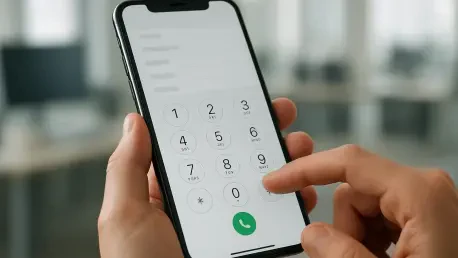
On current Android and iOS devices, T9 functions as a “smart search” utility integrated directly into the phone’s keypad. While users no longer use the dialer to compose long text messages, the digital 0-9 keys serve as a shortcut for finding contacts. By typing the numbers that correspond to the letters of a contact’s name—such as 2-4-7-4-7 for “CHRIS”—the system instantly filters the user’s directory to find matching entries. This software logic operates in real-time, updating the results with every subsequent tap, which allows for near-instantaneous identification of the desired recipient. It leverages the processing power of modern chips to scan thousands of entries without any noticeable lag. This method bypasses the traditional search bar entirely, allowing users to stay within the dialer interface while performing complex database queries. It represents a sophisticated implementation of a legacy concept, proving that the layout of the standard twelve-key telephone pad still holds significant value in an era of infinite touch layouts.
This method is particularly effective for users who manage large contact lists or need to find people based on specific descriptors or professions. If a user has a contact saved as “John Plumber,” they can simply type the digits corresponding to “PLUMBER” to bring up the entry immediately. This logic eliminates the friction of navigating alphabetical lists, providing a one-tap connection that is often faster than using a dedicated search bar or scrolling through hundreds of names. The efficiency gained here is substantial for professionals who interact with dozens of different clients daily and cannot afford to spend time hunting for a specific record. Furthermore, this system accounts for both first and last names simultaneously, providing a layer of flexibility that manual scrolling lacks. It also minimizes the cognitive load of remembering exactly how a name is spelled, as the predictive nature of the keypad search can often bridge the gap between a partial memory and the actual stored data. This creates a more intuitive and fluid user journey from the moment the dialer is opened until the call is placed.
Divergent Implementation Paths of Google and Apple
The availability of T9 dialing has long been a point of divergence between the two major mobile ecosystems. Android users have enjoyed this functionality for over a decade, with Google officially integrating dialer autocomplete as early as 2013. This long-standing support across various manufacturers, from Samsung to Google’s own Pixel line, has made T9 dialing a standard expectation for the majority of smartphone users worldwide. The open nature of the Android platform allowed third-party developers to refine this feature even before it became a native part of the operating system, leading to a highly polished and diverse range of implementations. For millions of users, the ability to search for contacts via the numpad became second nature, and its absence on other platforms was often cited as a significant barrier to switching devices. This consistency helped solidify Android’s reputation for utility and power-user features, catering to those who prioritize speed and efficiency in their daily mobile workflows and communications.
In a surprising move toward feature parity, Apple finally introduced “Keypad search” with the release of iOS 18 in 2024. For years, iPhone users were forced to use the dedicated Contacts tab or global search to find individuals by name. By adopting this retro-inspired logic for the iPhone 16 and later models, Apple has acknowledged the enduring utility of T9, proving that even the most advanced tech giants sometimes look to the past to improve the user experience. This transition required a subtle but meaningful redesign of the Phone app, ensuring that the search results appeared prominently above the keypad without cluttering the screen. It also integrated seamlessly with Apple’s existing contact management system, allowing for the same level of speed that Android users had long taken for granted. This adoption suggests a broader trend in mobile design where the most efficient input methods are prioritized over purely aesthetic considerations, resulting in a more unified user experience across the global smartphone market as the current year progresses.
Expanding the Communication Toolkit Through Hybrid Features
Despite the efficiency of T9 dialing, it remains one of several ways that modern users stay connected. Many people still prefer manual dialing for numbers they have committed to memory, while others rely on the “Favorites” and “Recents” tabs for their most frequent interactions. These traditional methods coexist with the newer smart search features, allowing every user to choose a workflow that best suits their personal habits and technical comfort level. The dialer has evolved into a multi-modal hub where historical data, predictive algorithms, and manual input all serve the goal of rapid connection. This diversity ensures that the device remains accessible to users of all ages and technical proficiencies. While younger generations might lean toward search-based shortcuts, older users who transitioned from landlines may find comfort in the tactile logic of the keypad. The coexistence of these features highlights the modular nature of modern software, where the operating system accommodates a wide variety of behavioral patterns within a single, unified interface.
The successful integration of T9-style dialing into the latest mobile ecosystems provided a clear roadmap for future software optimizations. Users who embraced these keypad shortcuts found that they reduced the time spent on administrative tasks, allowing for more focus on actual communication. To maximize the benefits of this feature, individuals audited their contact lists to ensure that names and professional titles were clearly defined, as the T9 logic relied heavily on accurate data. Developers also recognized that merging historical input methods with modern AI could further refine the speed of contact retrieval. This shift encouraged a broader perspective on mobile design, where the most effective tools were those that honored the muscle memory of the past while utilizing the hardware of the present. As the industry moved forward into late 2026, the focus remained on refining these hybrid interfaces to support even more complex interactions. This evolution proved that established technologies often contained latent value that simply required a modern context to become relevant once again.