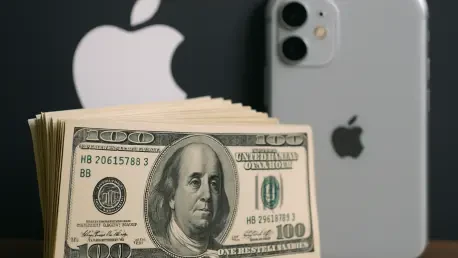

The sudden convergence of high-stakes litigation and aggressive technology marketing has forced a pivotal recalibration for Silicon Valley giants attempting to monetize generative artificial intelligence. Apple reached a landmark $250 million settlement to resolve a class-action lawsuit centered on the marketing of its “Apple Intelligence” suite and the promised upgrades to Siri. The legal dispute arose from allegations that the tech giant misled consumers by suggesting that advanced artificial intelligence features were fully functional and available upon the release of the iPhone 15 and iPhone 16. This analysis explores the details of the settlement, the disconnect between hardware sales and software readiness, and the broader implications for an industry obsessed with the AI arms race. By examining the fallout of this case, one can better understand the evolving standards for transparency in consumer electronics.
The Evolution of Siri and the Pressure to Innovate
To understand the gravity of this settlement, one must look at the historical trajectory of Apple’s virtual assistant and the explosion of generative AI. When Siri debuted, it was a pioneer; however, it recently faced criticism for falling behind more nimble competitors. As companies began integrating sophisticated large language models into their ecosystems, Apple faced immense pressure to prove that its hardware remained the premier platform for innovation. This environment created a “hype cycle” where the marketing vision occasionally outpaced engineering delivery, leading to the specific grievances cited in this litigation.
Deconstructing the Disconnect Between Promises and Reality
The Gap: Promotional Hype and Actual Functionality
The core of the plaintiffs’ argument was that Apple used “Apple Intelligence” as a primary catalyst for hardware upgrades, despite the software being largely unavailable at launch. Many consumers purchased expensive new handsets under the impression that they would immediately gain access to a smarter, more intuitive Siri and automated writing tools. Instead, users found themselves waiting for software updates that were delayed by months. This discrepancy highlights a critical challenge in modern tech: using future software features to drive current hardware sales, a practice that regulators and consumer advocates view as a form of “vaporware” marketing.
A New Precedent for Consumer Protection in the AI Era
The settlement marks a significant shift in how the legal system handles the promotion of emerging technologies. By agreeing to a $250 million payout, Apple is signaling that the cost of defending these marketing practices may outweigh the benefits of aggressive sales tactics. For the average consumer, the potential $95 per-device payout serves as a tangible reminder that “coming soon” is not a legally protected catch-all for missing features. This case sets a standard that forces other firms to temper their AI claims, ensuring that promotional materials reflect the actual out-of-the-box experience of the product.
Technical Hurdles: The Complexity of Local AI Integration
The delay in the AI rollout is not merely a marketing oversight but a reflection of deep technical complexities. Unlike cloud-based AI, the current strategy emphasizes on-device processing to maintain user privacy, a feat that requires immense optimization and rigorous testing. Misunderstandings often arise when consumers compare the instant availability of web-based chatbots to the specialized, secure integration required for a smartphone operating system. Furthermore, rumors of Apple partnering with third-party providers suggest that even major players face significant roadblocks in developing proprietary, world-class generative models entirely in-house.
The Future of AI Integration and Regulatory Scrutiny
Looking forward, the tech industry enters a period of enforced transparency. Major players are becoming more cautious about announcing features without firm release dates or beta disclaimers that are more than just fine print. Apple’s upcoming developer conference on June 8 acts as a litmus test for this new approach; the company must balance the need to excite investors with the legal necessity of being honest with its user base. Regulatory interest in how AI capability is defined increases, potentially leading to new labeling requirements for AI-enabled hardware.
Lessons in Transparency for the Modern Consumer
The major takeaway from this settlement is the importance of verifying software availability before investing in high-end hardware. For professionals and tech enthusiasts, the wait-and-see approach to upgrades has never been more relevant. This case also serves as a best-practice guide for businesses: brand loyalty is built on delivered value, not speculative promises. Companies prioritize clear communication regarding development timelines to avoid the financial and reputational damage associated with class-action litigation.
Final Reflections: Innovation and Accountability
The $250 million settlement over Apple Intelligence claims served as a cautionary tale for the technology sector. While the drive to innovate pushed the industry forward, it was balanced with a commitment to consumer truth. As AI became a central pillar of digital life, the line between visionary marketing and misleading claims became more scrutinized. Ultimately, this settlement reinforced the idea that while technology moved at the speed of thought, the promises made to consumers remained grounded in reality.